

Chevrolet Trailblazer 2002-2010 Oxygen Sensor Guide
Keep your Trailblazer's engine running efficiently by understanding and replacing your oxygen sensors.
- A bad oxygen sensor will trigger the Check Engine Light and cause poor fuel economy and rough running.
- For best results, use OEM-grade brands like ACDelco, NGK/NTK, or Denso.
- Trailblazers with the 4.2L I6 engine have two O2 sensors, while V8 models have four.
- Driving with a bad O2 sensor can damage your expensive catalytic converter over time.
Understanding Oxygen Sensors in Your Trailblazer

Your Chevrolet Trailblazer (2002-2010) relies on oxygen sensors (O2 sensors) to keep the engine running smoothly and efficiently. They act like monitors in your exhaust system, reading the oxygen levels to help the engine computer maintain the perfect air-fuel balance. When a sensor fails, it can lead to poor performance, bad gas mileage, and even damage to other expensive parts like the catalytic converter.
Symptoms of a Failing Oxygen Sensor
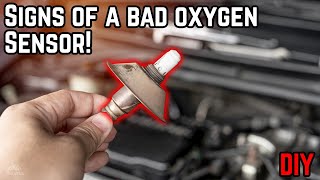
A bad O2 sensor can cause several noticeable problems. Being aware of these signs can help you address the issue before it gets worse.
🎬 Watch: A guide to signs, symptoms, and diagnosis- Check Engine Light: This is the most common sign. A diagnostic scan might reveal codes like P0135 (Bank 1 Sensor 1 Heater Circuit) or P0141 (Bank 1 Sensor 2 Heater Circuit), which point directly to a faulty oxygen sensor heater.
- Poor Fuel Economy: If the sensor provides incorrect data, the engine might use more fuel than necessary, causing you to fill up more often.
- Rough Idle and Engine Performance: A failing sensor can disrupt engine timing and combustion, leading to a rough idle, engine hesitation, or misfires.
- Bad Smells: A rich-running engine can produce a "rotten egg" smell from the exhaust due to excess fuel being burned in the catalytic converter.
- Failed Emissions Test: A malfunctioning O2 sensor will prevent your vehicle from passing a state emissions inspection.
Don't Ignore a Failing O2 Sensor
While you can technically drive with a bad oxygen sensor, it's not recommended. An engine running too rich can overheat and damage the catalytic converter, a much more expensive repair than replacing an O2 sensor.
Choosing the Right Aftermarket Oxygen Sensor

When shopping for a replacement, you'll find several brands. For the Trailblazer, sticking with proven, quality brands is key to avoiding future headaches. Cheap, unbranded sensors are known to fail quickly or provide inaccurate readings.
Brand Quality Tiers for Trailblazer
- OEM-Grade (Best Quality): ACDelco is the original equipment manufacturer (OEM) for GM vehicles. However, brands like NGK/NTK and Denso are often the actual manufacturers for ACDelco parts and are considered top-tier replacements. Forum users report that ACDelco sensors for the Trailblazer often have an NGK stamp on them. These brands provide the best fit and performance.
- Reputable Aftermarket (Good Quality): Bosch and Delphi are also well-regarded brands that produce quality sensors. Bosch invented the automotive oxygen sensor and is a major OE supplier worldwide. While some enthusiasts have preferences, these brands are generally a reliable choice.
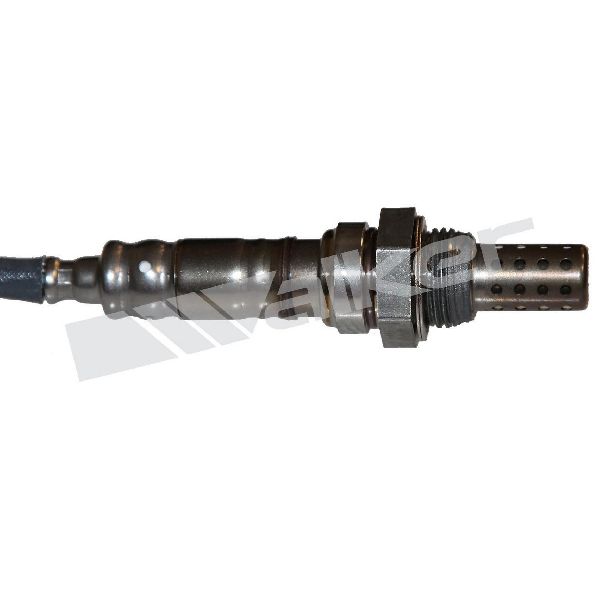
- Standard/Value (Use with Caution): Brands like DriveWire, Spectra, and Walker Products are typically more budget-friendly. While they can work, their longevity and accuracy may not match the higher-tier brands. For a critical part like an O2 sensor, investing a little more in a premium brand is often worth it to ensure proper engine function.
Pro Tip: Always buy "direct-fit" sensors with the correct electrical connector. Universal sensors that require you to splice wires can lead to connection problems and incorrect readings.
How Many Sensors Does My Trailblazer Have?

The number of sensors depends on your engine:
- 4.2L Inline-6 (I6): These models typically have two oxygen sensors: one upstream (before the catalytic converter) and one downstream (after the catalytic converter).
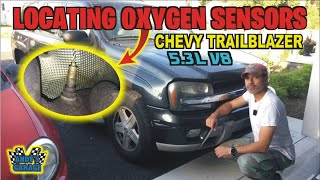
- 5.3L V8 & 6.0L V8: These engines have four oxygen sensors. There is an upstream and a downstream sensor for each engine bank (Bank 1 on the driver's side, Bank 2 on the passenger's side). 🎬 See how to locate all sensors on V8 models
| Part Type | Price Range |
|---|---|
| New Aftermarket | $35 - $137 |
| New OEM (ACDelco) | $60 - $150 |
| Shop Labor | $75 - $150 |
Frequently Asked Questions

What is the difference between an upstream and a downstream sensor?
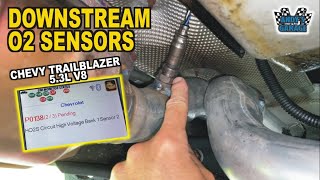
The upstream sensor (Sensor 1) is located before the catalytic converter and is the primary sensor for adjusting the air-fuel mixture. The downstream sensor (Sensor 2) is located after the catalytic converter and its main job is to monitor the converter's efficiency. They are not interchangeable.
What tools do I need to replace an oxygen sensor?
You will need a special oxygen sensor socket, which is a deep socket with a slot for the wire to pass through. A 7/8" (22mm) wrench can sometimes work, but the socket is highly recommended, especially for sensors in tight spaces. Applying a penetrating oil like PB Blaster and warming up the engine beforehand can make removal much easier.
🎬 Watch: Step-by-step walkthrough for replacing the upstream sensorWhat are Bank 1 and Bank 2 on V8 models?
On V-shaped engines like the Trailblazer's 5.3L or 6.0L V8, "Bank 1" refers to the side of the engine that contains cylinder #1, which is the driver's side on this vehicle. "Bank 2" is the opposite side (passenger's side). This is important for identifying the correct sensor when you have a diagnostic code.
Are there any recalls for the Trailblazer oxygen sensor?
No specific recalls were found for the 2002-2010 Chevrolet Trailblazer oxygen sensors. Searches on the NHTSA database did not show any recalls for this specific part and model year range. However, a Technical Service Bulletin (TSB) exists for a wide range of GM vehicles regarding fuel trim and oxygen sensor codes, suggesting technicians check for intake or exhaust leaks.
Helpful Videos
Technical Specifications
OEM Part Numbers: 12637297 12656071 12612571 213-1551 213-1574
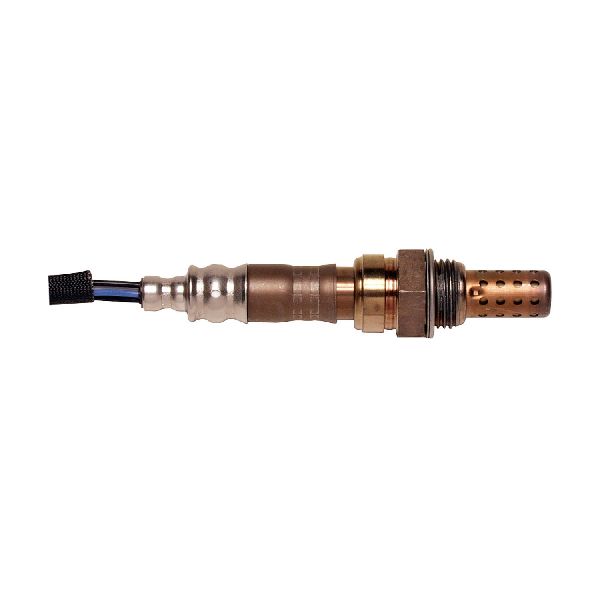
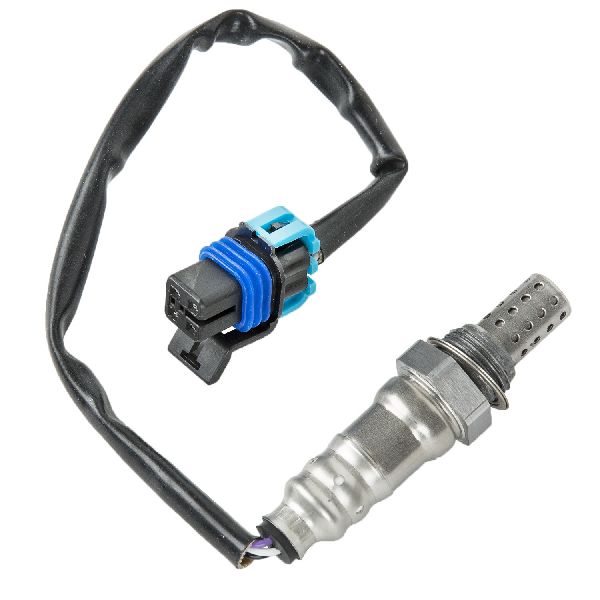
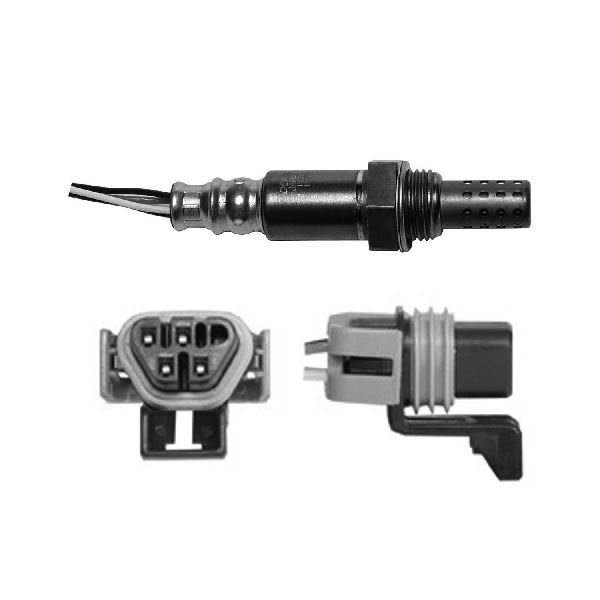
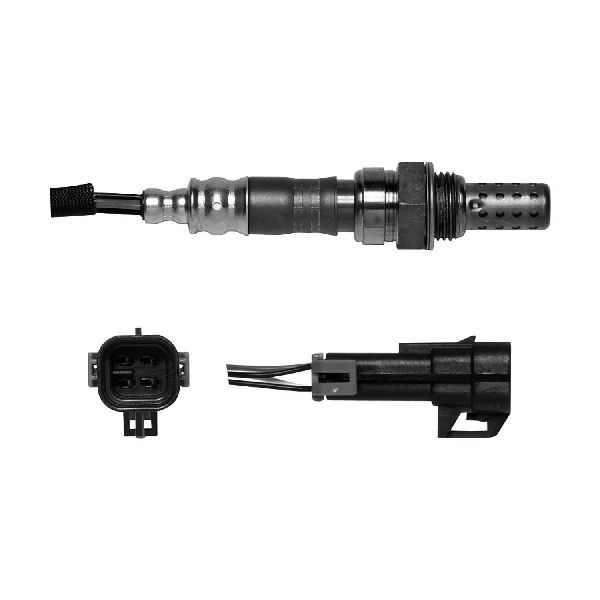
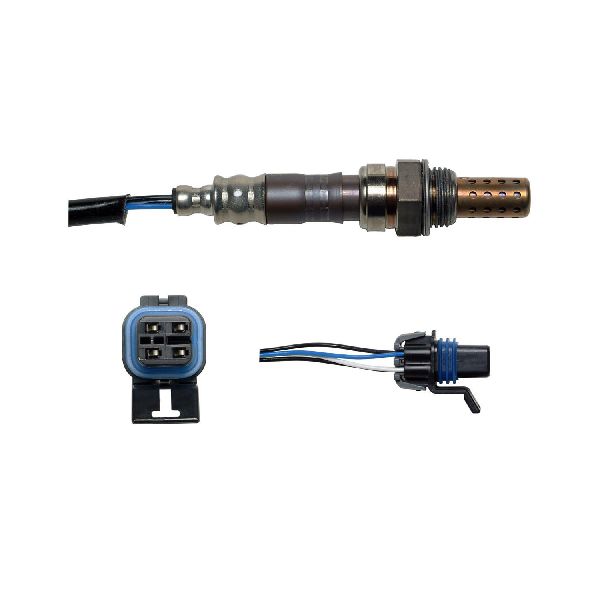
All sensors for the 2002-2010 Trailblazer are of the heated, 4-wire type. A specialized 7/8" (22mm) oxygen sensor socket is recommended for removal and installation. New sensors should come with anti-seize compound on the threads or have it applied before installation.
We Have This Part in Stock

The information in this article is provided for general reference and educational purposes only. Vehicle specifications, procedures, and part compatibility can vary by production date, trim level, and region. Always consult your vehicle's factory service manual and verify part numbers before purchasing or performing repairs. Safety-critical components such as airbags, seat belts, and braking systems should be installed by a qualified professional.
- Chevrolet Trailblazer: