

Ford E-150 Electric Fuel Pump Guide (2002-2009): Symptoms, Brands, and Replacement
Is your Ford E-150 van having trouble starting or stalling? Your electric fuel pump might be the problem.
- Before replacing the fuel pump, inspect the Fuel Pump Driver Module (FPDM) on the frame rail; its failure causes identical symptoms and is a very common issue.
- A failing fuel pump is a critical safety issue that can cause your engine to stall while driving. Do not ignore the symptoms.
- Replacing the fuel pump is a difficult (4/5) job that requires dropping the fuel tank; using a quality OEM-equivalent brand like Bosch, Delphi, or Denso is highly recommended to avoid repeat labor.
- Always replace the entire fuel pump module assembly and the fuel filter at the same time for a complete and reliable repair.
Is My Fuel Pump Failing? Common Symptoms

A failing fuel pump in a Ford E-150 van rarely dies without warning. It usually gives signs that it's getting weak. Ignoring them can leave you stranded. Here’s what to look and listen for:
- Long Crank or No-Start: The engine turns over for a long time before it finally starts, or it won't start at all. This happens when the pump isn't building enough pressure.
- Engine Stalling: The van might start, run for a moment, and then die. It can also stall unexpectedly while driving, which is a major safety risk.
- Loud Whining Noise: A classic sign of a struggling fuel pump is a loud, high-pitched whine or buzz coming from the fuel tank area (located under the middle of the van).
- Sputtering at High Speeds: Your van may run fine around town but sputters or hesitates when you're on the highway. This means the pump can't keep up with the engine's demand for fuel.
- Loss of Power Under Load: The engine feels weak when you're accelerating, towing, or climbing a hill.
- Check Engine Light: A weak pump can cause a lean fuel mixture, triggering the Check Engine Light. You might see codes like P0171 or P0174.
STOP! Check This Before You Replace Your Fuel Pump
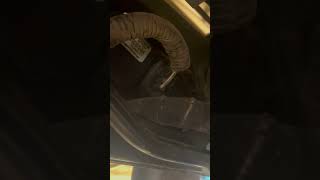
On 2002-2009 Ford E-150s, the Fuel Pump Driver Module (FPDM) is a very common failure point. This small electronic box controls the fuel pump. It is mounted on the driver's side frame rail where it gets exposed to water and salt, causing it to corrode and fail. A bad FPDM causes the exact same symptoms as a bad fuel pump, including a no-start condition. Always inspect the FPDM for corrosion 🎬 See how to locate and inspect your fuel pump driver module. or damage before buying a new fuel pump. It's a much cheaper and easier part to replace.
Choosing the Right Aftermarket Fuel Pump

When replacing the fuel pump, you get what you pay for. Since dropping the fuel tank is a difficult job, you don't want to do it twice. We recommend choosing a quality brand to ensure reliability.
Brand Quality Tiers
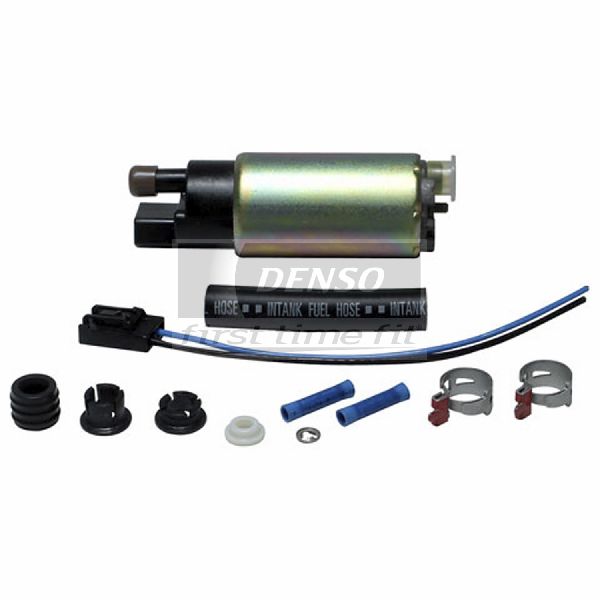
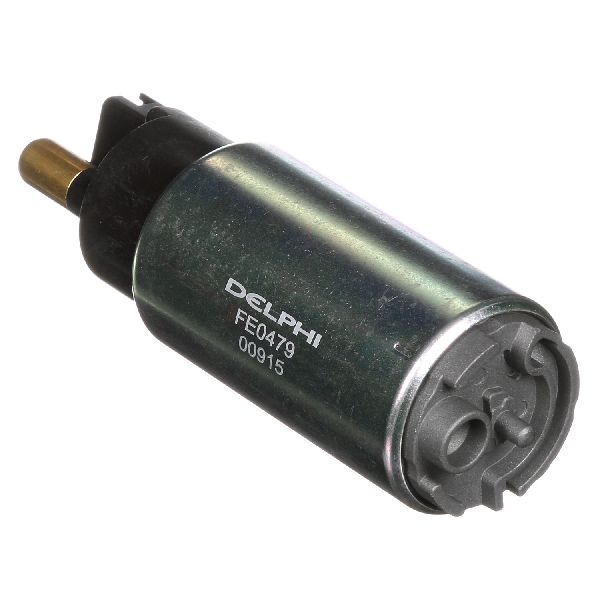
- Tier 1: OEM-Equivalent Brands (Bosch, Delphi, Denso): These brands are often the original equipment (OE) manufacturers for Ford. They offer the best reliability and fit, engineered to the same standards as the part your van came with. Delphi is known to be a direct supplier for many Motorcraft pumps. Choosing one of these brands is the safest bet for a long-lasting repair.
- Tier 2: Reputable Aftermarket (Carter): Carter has been making fuel system parts for a very long time. Reviews are generally positive, with many users noting they are quiet and reliable. However, some users have reported noise or early failures, making it a solid mid-range choice but potentially a step below the OEM suppliers.
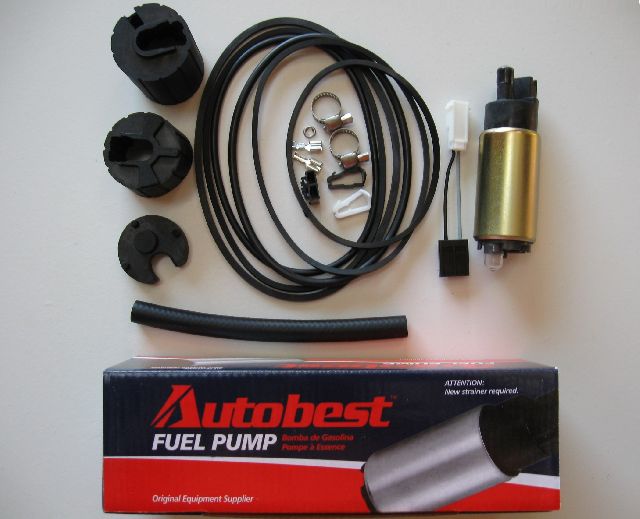
- Tier 3: Economy Brands (AutoBest, GMB, US Motor Works): These brands offer a low-cost alternative. AutoBest gets decent reviews for its value and often comes with a good warranty. GMB is a standard replacement option. US Motor Works has a mixed reputation, with some users reporting early failures and incorrect parts. An economy pump can be a budget-friendly fix, but the quality and longevity can be a gamble.
How Much Does a Fuel Pump Replacement Cost?

The total cost depends on whether you do the job yourself and the brand of pump you choose. The biggest factor is the labor, as replacing the pump is time-consuming.
| Part or Service | Estimated Cost |
|---|---|
| New OEM (Motorcraft) | $900 - $1,150 |
| New Aftermarket (Tier 1) | $180 - $400 |
| New Aftermarket (Economy) | $44 - $140 |
| Shop Labor | $350 - $550 |
Pro Tip: Always replace the fuel filter when you replace the fuel pump. A clogged filter can make the new pump work harder and fail sooner. Also, it's best to replace the entire fuel pump module (the whole assembly with the sending unit), not just the pump motor itself. This ensures all components are new.
Frequently Asked Questions (FAQ)
Do I have to drop the fuel tank to replace the pump?
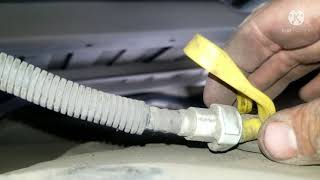
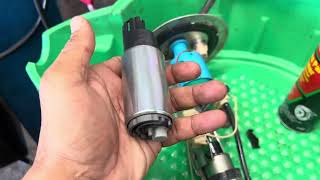
Yes, the standard and safest method is to lower the fuel tank to access the pump assembly 🎬 Watch this step-by-step walkthrough on dropping the tank and pump., which is mounted on top of the tank. Some owners have cut an access panel in the van's floor, but this is a permanent modification to the vehicle body.
What is the Fuel Pump Driver Module (FPDM)?
The FPDM is a small computer that controls the speed of the fuel pump. Ford mounted it on the frame, where it often fails from corrosion. Its failure will shut down the fuel pump and mimic the symptoms of a bad pump. Always check it before condemning the pump. Common fault codes for a bad FPDM are P1233 and P1237.
Should I buy just the pump or the whole assembly?
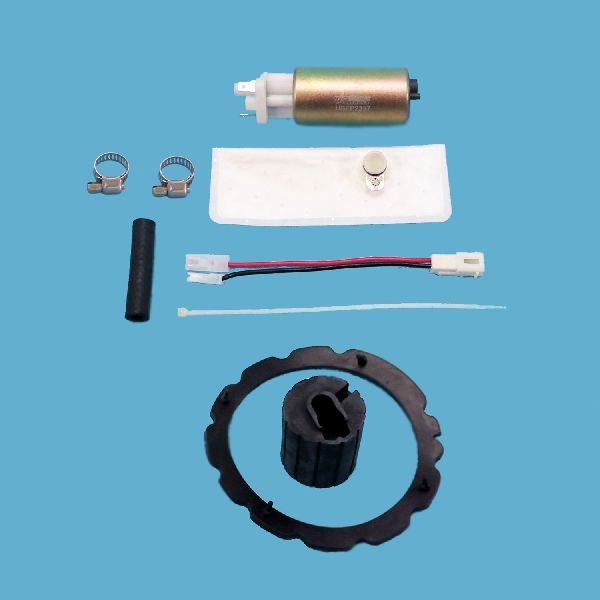
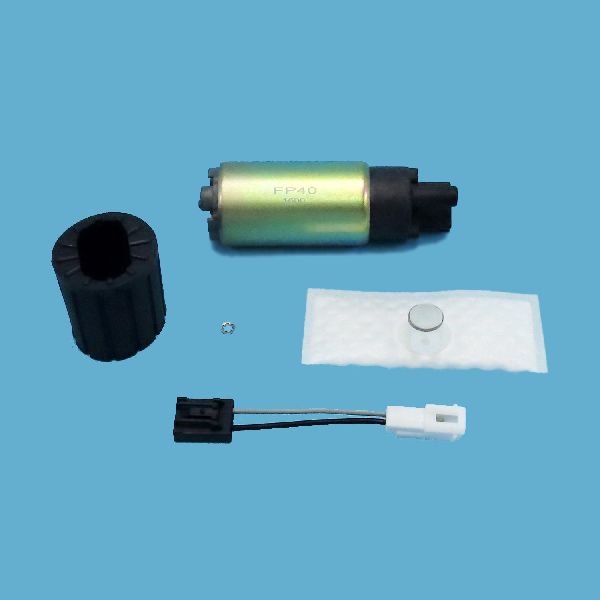
It is strongly recommended to buy the complete fuel pump module assembly. This includes the pump, sending unit (for the fuel gauge), float, and strainer. This ensures all related components are new and avoids potential compatibility issues or having to do the job again if another part of the old assembly fails.
How can I test my fuel pump?
A simple test is to turn the key to the 'On' position (without starting) and listen for a 1-2 second humming sound from the tank. If you hear nothing, the pump isn't getting power or has failed. For a definitive test, a mechanic will use a fuel pressure gauge connected to the engine's fuel rail to check if the pressure is within Ford's specifications.
Are there any recalls for the 2002-2009 E-150 fuel pump?
There are no specific NHTSA recalls for the electric fuel pump or Fuel Pump Driver Module on the 2002-2009 Ford E-150. There was a recall for the 35-gallon fuel tank potentially cracking on vehicles in severe-duty applications, but this did not involve the pump itself.
Helpful Videos
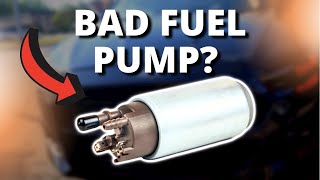
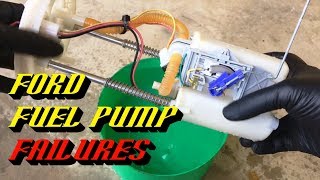
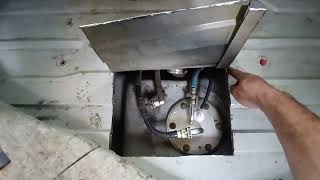
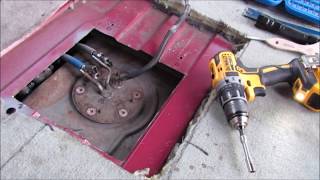
Technical Specifications
OEM Part Numbers: 6C2Z9H307AA XC2Z-9H307-BB 4C2Z9H307AB 5C2Z9H307A F6PZ9H307EC
This part is the complete in-tank fuel pump module assembly, which includes the electric pump, fuel level sending unit, float, and strainer. It is designed for gasoline engines in the 2002-2009 Ford E-150. Compatibility may vary based on fuel tank size and specific model year.
We Have This Part in Stock

The information in this article is provided for general reference and educational purposes only. Vehicle specifications, procedures, and part compatibility can vary by production date, trim level, and region. Always consult your vehicle's factory service manual and verify part numbers before purchasing or performing repairs. Safety-critical components such as airbags, seat belts, and braking systems should be installed by a qualified professional.
- Ford E-150: