

A Practical Guide to the 2002-2009 Audi A4 Quattro Engine Coolant Temperature Sensor
Understand the common issues and how to choose the right replacement coolant temperature sensor for your Audi.
- A failing coolant temp sensor on your A4 can cause poor fuel economy, hard starting, and overheating.
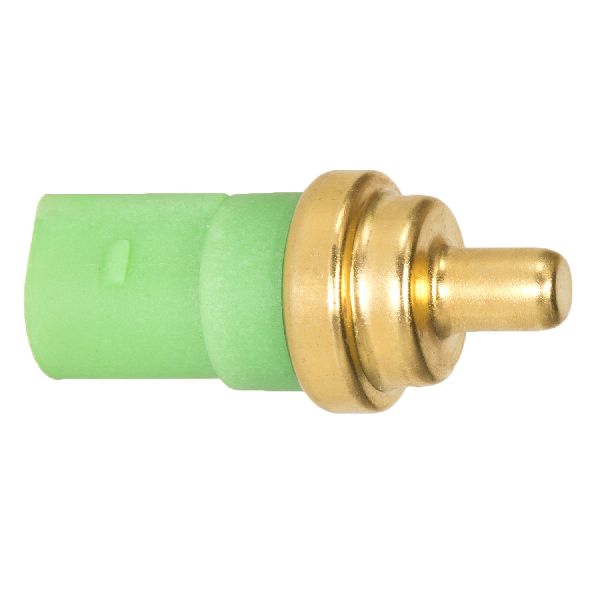
- Always replace the old black or blue sensor with the updated green 4-pin version.
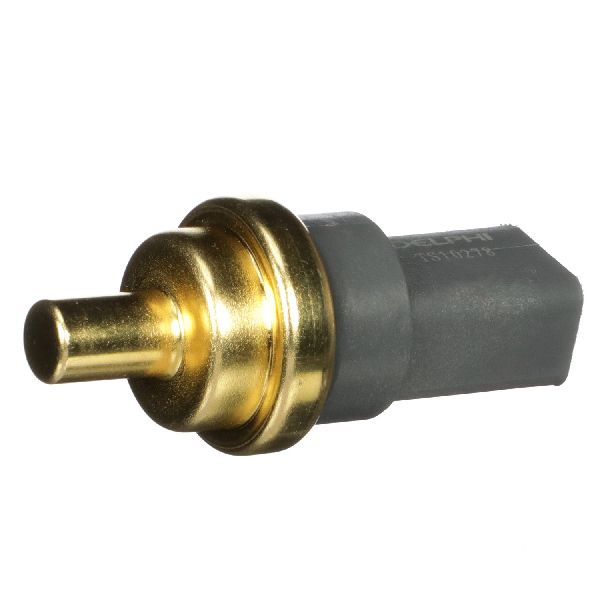
- Choose an OEM-supplier brand like Hella, Vemo, or Delphi for the best reliability.
- The sensor is located in a tight spot on the back of the engine, but replacement is a manageable DIY job.
Understanding a Common Failure Point on Your A4 Quattro

If you own a 2002-2009 Audi A4 Quattro, there's a good chance you'll eventually need to replace the engine coolant temperature sensor (ECT). This part is a known common failure item on many VW and Audi vehicles from this era. The sensor provides critical data to the engine computer, and when it fails, it can cause a surprising number of problems that might not seem related to a simple sensor. Fortunately, it's an inexpensive part and a straightforward replacement for a DIY mechanic.
Symptoms of a Failing Coolant Temperature Sensor

A bad ECT sensor can make your car act strangely. Because the computer relies on its signal for so many adjustments, a false reading can throw everything off. You might experience one or more of the following issues:
- Check Engine Light: This is often the first sign. A scan will typically show fault codes like P0117 (Circuit Low), P0118 (Circuit High), or P2181 (Cooling System Performance).
- Poor Fuel Economy: If the sensor incorrectly tells the computer the engine is cold, the computer will enrich the fuel mixture, causing the car to use more gas than necessary.
- Hard Starting: The car may be difficult to start, especially when the engine is warm 🎬 Watch a video on diagnosing an Audi no-start condition., because the fuel mixture is incorrect.
- Black Smoke from Exhaust: A very rich fuel mixture can result in unburnt fuel exiting the exhaust, which looks like black smoke.
- Erratic Temperature Gauge: The gauge on your dashboard might not move at all, or it might jump to hot immediately, even on a cold start.
- Cooling Fans Run Constantly or Not at All: The sensor's failure can trick the computer into thinking the engine is always overheating (running the fans) or never getting warm (not running them when needed 🎬 See a detailed breakdown of bad coolant sensor symptoms.).
The Green Sensor Update
Many earlier B6/B7 A4 models came with a black or blue coolant temperature sensor. These are known to be failure-prone. The updated, more reliable replacement part is green. If you are replacing your sensor, ensure you are buying a green, 4-pin sensor to prevent premature failure.
Choosing the Right Aftermarket Sensor

When it comes to sensors for a German vehicle, brand matters. While you don't have to buy the official Audi part, choosing a brand that is a known OEM (Original Equipment Manufacturer) supplier is a smart move. This ensures you get the same quality and reliability without the dealership price tag.
Tier 1: OEM-Quality Brands
These brands are often the original suppliers to Audi or have a long-standing reputation for quality that matches or exceeds OEM standards. For this critical sensor, sticking to this tier is highly recommended.
- Hella: A top-tier German automotive parts supplier.
- Vemo: Another well-regarded German brand often found in the OEM supply chain.
- Delphi: A global OEM supplier with a strong reputation for electronics.
- NGK/NTK: While famous for spark plugs, their sensor line (NTK) is also highly respected.
Tier 2: Reputable Aftermarket Brands
These brands offer a good balance of quality and value. They are a solid choice if an OEM-supplier brand isn't available.
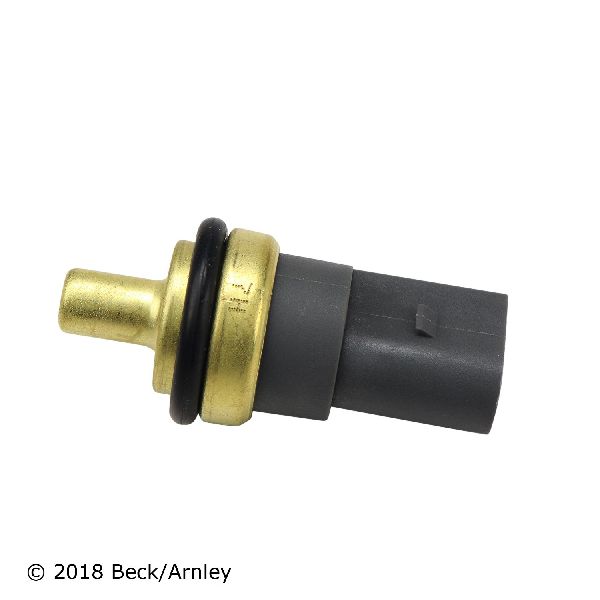
- Beck Arnley: Known for sourcing parts from OEM suppliers and repackaging them.
- Standard Ignition (SMP): A long-standing American company with a generally good reputation.
- Walker Products: A reliable name in engine management components.
- Holstein: Offers a range of sensors that are a viable alternative.
Tier 3: Value-Oriented Brands
These brands focus on affordability. While they may function correctly, their long-term durability and the precision of their temperature readings might not match the higher-tier options. For a part this critical and inexpensive, it's usually best to invest in a Tier 1 or Tier 2 brand.
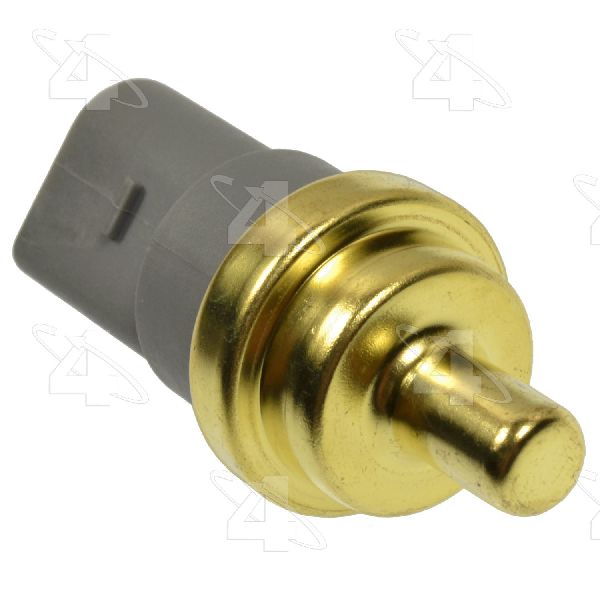
- Four Seasons
- Global Parts
- Motorad
- True Tech
- VNE
Pro Tip: Replace the Clip and O-Ring
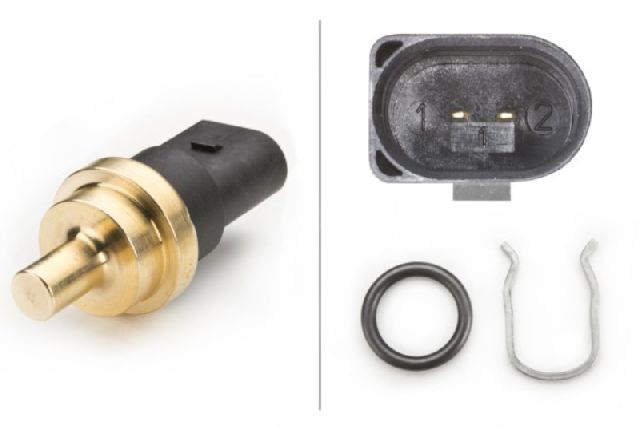
The sensor is held in place by a small plastic clip and sealed with a rubber O-ring. The clip becomes brittle with age and almost always breaks during removal. The O-ring can get stuck in the housing. Always purchase a new sensor that comes with a new clip and O-ring, and make sure you remove the old O-ring before installing the new one.
Frequently Asked Questions (FAQ)
Where is the Engine Coolant Temperature Sensor located?
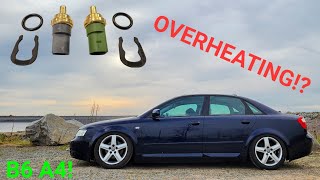
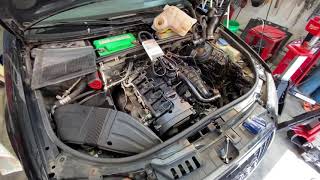
On the 2002-2009 Audi A4 Quattro (B6/B7 chassis), the main 4-pin green sensor is located on the back of the engine's cylinder head 🎬 Follow this step-by-step replacement guide for the B6 A4., closer to the passenger side. It can be in a tight spot, and you may need to move some vacuum or PCV hoses to access it.
Why are there two coolant temperature sensors on some models?
Some A4 models have a second, 2-pin sensor (often gray or blue) located on the lower radiator hose. This sensor's primary job is to help control the electric cooling fans. The main sensor for the ECU is the 4-pin green one at the back of the engine. This guide focuses on the main engine sensor.
Is this a difficult DIY job?
No, for most DIYers, this is a relatively easy job that takes less than an hour. The main challenge is the tight workspace at the back of the engine. You will lose some coolant when you pull the sensor, so have a drain pan ready and be prepared to top off the coolant afterward. Always work on a cold engine to avoid burns.
Do I need to drain all the coolant to replace it?
You don't have to drain the entire system. If you are quick, you can swap the old sensor for the new one and only lose a small amount of coolant. However, if your coolant is old, this is a great opportunity to do a full coolant flush. Make sure to use the correct G12 or G13 specification coolant for your Audi.
Helpful Videos
Technical Specifications
OEM Part Numbers: 059919501A 078919501C
4-Pin Connector, Green Color (updated design), Includes O-ring and Retaining Clip.
We Have This Part in Stock


The information in this article is provided for general reference and educational purposes only. Vehicle specifications, procedures, and part compatibility can vary by production date, trim level, and region. Always consult your vehicle's factory service manual and verify part numbers before purchasing or performing repairs. Safety-critical components such as airbags, seat belts, and braking systems should be installed by a qualified professional.
- Audi A4 Quattro: