

A Practical Guide to Replacing Oxygen Sensors on a 2002-2007 Toyota Camry
Understanding your Camry's check engine light and choosing the right oxygen sensor to fix it.
- For reliable performance, only use a Denso or NGK/NTK brand sensor; they are the original equipment manufacturers for Toyota.
- Before buying, correctly identify if you need an upstream 'Air/Fuel Ratio Sensor' or a downstream 'Oxygen Sensor', and for which engine bank on V6 models.
- If you have a 2.4L engine and smell rotten eggs, investigate TSB EG013R-04 related to the catalytic converter before replacing any sensors.
- On V6 models, the upstream sensor on the rear bank (Bank 1) is extremely difficult to access and may require professional help.
Is Your Oxygen Sensor Failing? Common Symptoms

A failing oxygen sensor is one of the most common reasons for the check engine light to illuminate on a 2002-2007 Toyota Camry. When a sensor goes bad, it sends incorrect information to the engine computer, leading to noticeable problems. You should suspect a bad sensor if you experience a combination of these issues:
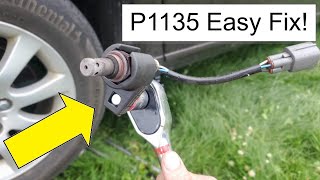
- Check Engine Light: This is the most obvious sign. Common codes include P0420, P0171, P0135, and P1135.
- Poor Fuel Economy: One of the first and most common symptoms is a sudden drop in your gas mileage as the engine computer incorrectly adjusts the fuel mixture.
- Rough Idle and Hesitation: Your Camry might idle unevenly or hesitate during acceleration because the air-fuel mixture is not optimal.
- Rotten Egg Smell: A strong smell of sulfur from the exhaust can indicate a rich fuel mixture, which a bad sensor can cause. However, be aware of a specific TSB for this issue (see below).
Known Issue: TSB for Rotten Egg Smell (2.4L Engine)
For 2002-2004 Camry models with the 2.4L 4-cylinder engine, Toyota issued Technical Service Bulletin (TSB) EG013R-04. This TSB addresses complaints of a sulfur or "rotten egg" smell during acceleration. The fix may involve replacing the catalytic converter and reprogramming the engine computer. Before you spend money replacing oxygen sensors to fix this specific smell, have a professional mechanic check if this TSB applies to your vehicle. You could be saving yourself from buying parts you don't need.
Choosing the Right Aftermarket Oxygen Sensor

When it comes to oxygen sensors for a Toyota, brand choice matters significantly. The electronics in your Camry are sensitive, and using the wrong brand can lead to persistent check engine lights and performance issues.
Brand Quality Tiers for Your Camry
- Tier 1 - OEM Choice (Highly Recommended): Denso & NGK (NTK)
Denso is the Original Equipment Manufacturer (OEM) for Toyota, meaning they made the sensor that was installed in your Camry at the factory. NGK (which markets its sensors under the NTK brand) is another top-tier OEM supplier with an equivalent reputation for quality and reliability. For a guaranteed fit and proper function, always choose a direct-fit sensor from Denso or NTK. - Tier 2 - Reputable Alternatives: Bosch & Delphi
Bosch is a massive sensor manufacturer, but forum discussions show mixed results for Toyotas; sometimes they work fine, other times they can cause issues. Delphi is another respected OEM supplier, primarily for American brands like GM. While these are quality parts, they are not as consistently trouble-free in Toyotas as Denso or NTK. - Tier 3 - Budget Options: DriveWire, Walker Products, Spectra
These brands offer a lower price point, but their long-term reliability is questionable. Some owners have reported these sensors failing prematurely, sometimes within months. If you are on a very tight budget they are an option, but be prepared for the possibility that you may have to replace them again sooner than expected.
Pro Tip: Use Direct-Fit, Not Universal Sensors
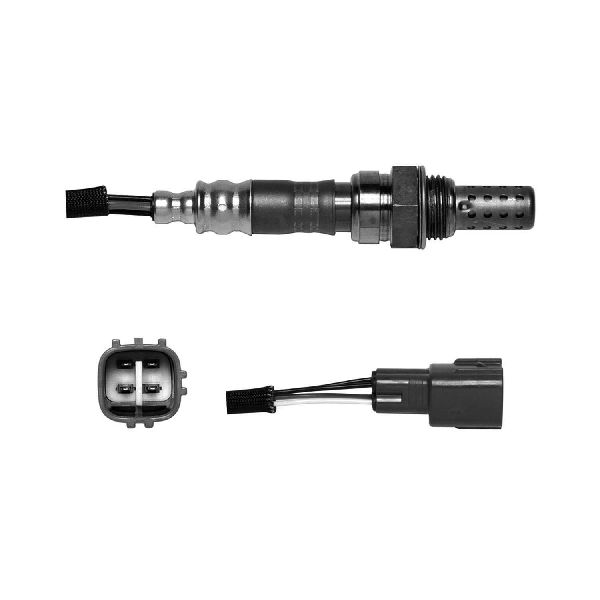
Always choose a "direct-fit" sensor. These come with the correct wire length and factory-style electrical connector for a simple plug-and-play installation. "Universal" sensors require you to cut your old connector off and splice it onto the new sensor. This introduces a potential point of failure and should be avoided.
4-Cylinder vs. V6: How Many Sensors Do You Have?

Before buying, you must identify which sensor you need. The location names can be confusing. "Sensor 1" is always the upstream Air/Fuel Ratio Sensor, and "Sensor 2" is always the downstream Oxygen Sensor.
- 2.4L 4-Cylinder Engine: Contains two sensors.
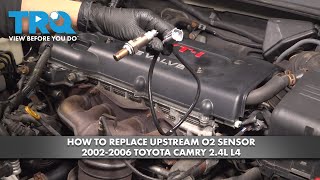
- Upstream (Bank 1, Sensor 1): An Air/Fuel Ratio sensor located in the exhaust manifold, easily visible at the front of the engine bay. 🎬 Watch: Step-by-step guide to replacing the upstream sensor on a 2.4L engine.
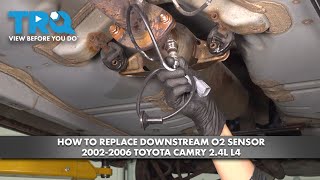
- Downstream (Bank 1, Sensor 2): An oxygen sensor located under the car, after the catalytic converter. 🎬 See this walkthrough for replacing the downstream sensor on your 4-cylinder Camry.
- 3.0L or 3.3L V6 Engine: Contains four sensors.
- Bank 1 (Rear, by Firewall): This bank of cylinders is notoriously hard to work on. It has one upstream A/F sensor (Bank 1, Sensor 1) and one downstream O2 sensor (Bank 1, Sensor 2).
- Bank 2 (Front, by Radiator): This bank is much easier to access. It has one upstream A/F sensor (Bank 2, Sensor 1) and one downstream O2 sensor (Bank 2, Sensor 2).
Cost to Replace a Toyota Camry Oxygen Sensor

| Part/Service | Estimated Cost |
|---|---|
| New OEM Sensor (from dealer) | $150 - $300+ per sensor |
| New Aftermarket Sensor (Denso/NGK) | $55 - $150 per sensor |
| New Aftermarket Sensor (Economy) | $25 - $70 per sensor |
| Shop Labor | $100 - $250 |
Costs are estimates and can vary by location and which specific sensor needs replacement. The difficult-to-access upstream sensor on the V6 engine will be at the higher end of the labor cost range.
Frequently Asked Questions
What's the difference between an Air/Fuel (A/F) Sensor and an Oxygen (O2) Sensor?
For this Camry, the upstream sensor (Sensor 1) is a more complex and faster-reacting Air/Fuel Ratio Sensor used for precise fuel control. The downstream sensor (Sensor 2) is a traditional Oxygen Sensor used mainly to check if the catalytic converter is working. They are not interchangeable.
My mechanic found code P0420. Should I replace the O2 sensor or the catalytic converter?
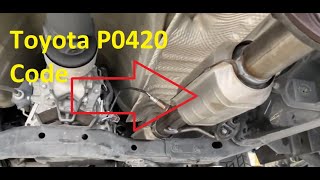
The P0420 code means "Catalyst System Efficiency Below Threshold." While this can mean the catalytic converter has failed, it is often triggered by an old, slow-reacting downstream (Sensor 2) oxygen sensor. Since the sensor is much cheaper than the converter, it is common practice to replace the downstream O2 sensor first, clear the codes, and see if the problem returns.
🎬 Watch: How to diagnose and fix a P0420 code on your Toyota.Can I clean my old oxygen sensor?
While some online videos show methods for cleaning O2 sensors, it is not a reliable or recommended repair. The sensing element degrades internally over time from heat and contamination. Replacement is the only way to guarantee proper function and restore performance.
How difficult is it to replace the sensors myself?
The difficulty varies greatly. The downstream sensor on all models and the upstream sensor on the 4-cylinder are generally straightforward for a DIYer with the right tools, including a special O2 sensor socket. However, the upstream sensor on the V6 engine's rear bank (Bank 1, against the firewall) is extremely difficult to reach and may be best left to a professional.
Helpful Videos
Technical Specifications
OEM Part Numbers: 89467-06050 89467-33120 89465-06070 89465-33260 89467-33040
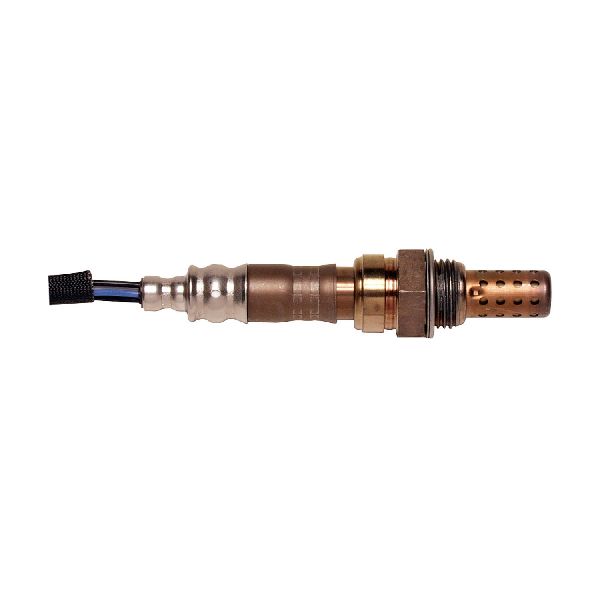
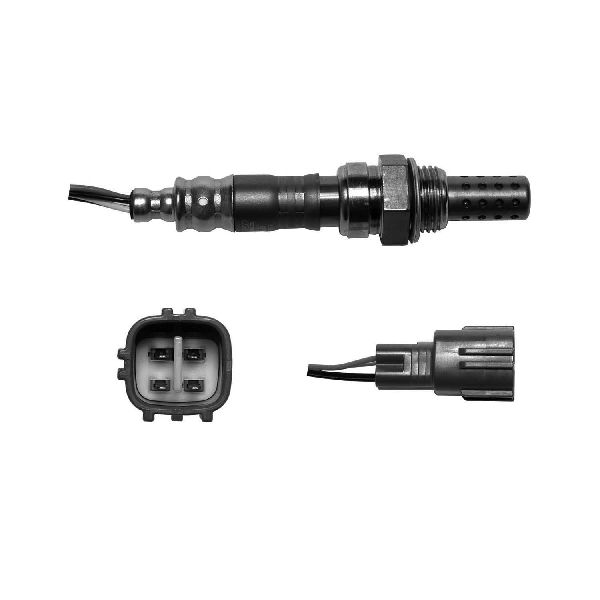
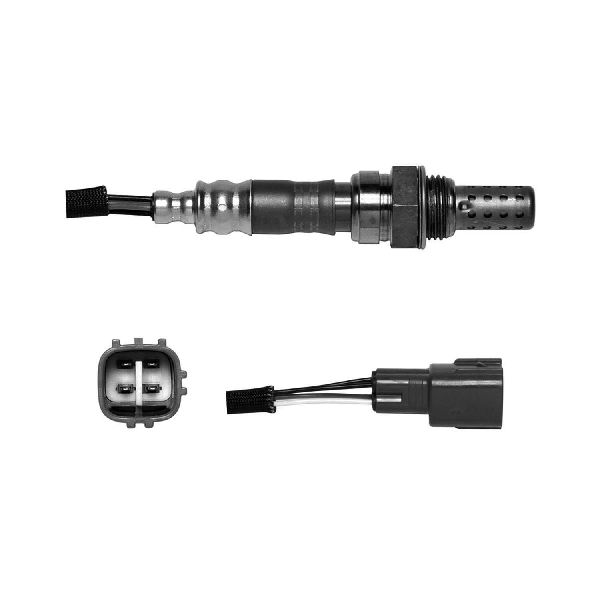
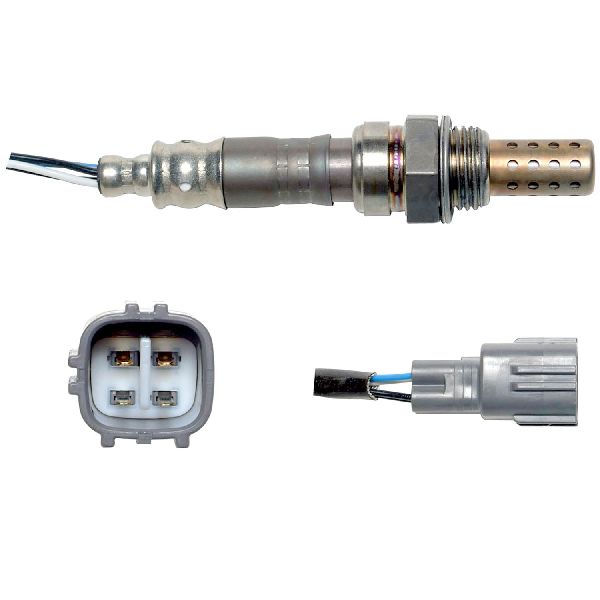
The 2002-2007 Camry uses two types of sensors: a wide-band Air/Fuel (A/F) Ratio Sensor for the upstream position(s) and a narrow-band Zirconia Oxygen Sensor for the downstream position(s). The 4-cylinder engine has one of each. The V6 engine has two of each. All sensors are heated and use a 4-wire connector.
We Have This Part in Stock


The information in this article is provided for general reference and educational purposes only. Vehicle specifications, procedures, and part compatibility can vary by production date, trim level, and region. Always consult your vehicle's factory service manual and verify part numbers before purchasing or performing repairs. Safety-critical components such as airbags, seat belts, and braking systems should be installed by a qualified professional.
- Toyota Camry: