

A Practical Guide to the 2002-2007 Honda CR-V Engine Oil Pressure Switch
Leaking oil or a flickering light on your dash? Your CR-V's oil pressure switch might be the problem.
- The most common failure is an external oil leak from the switch on the back of the engine.
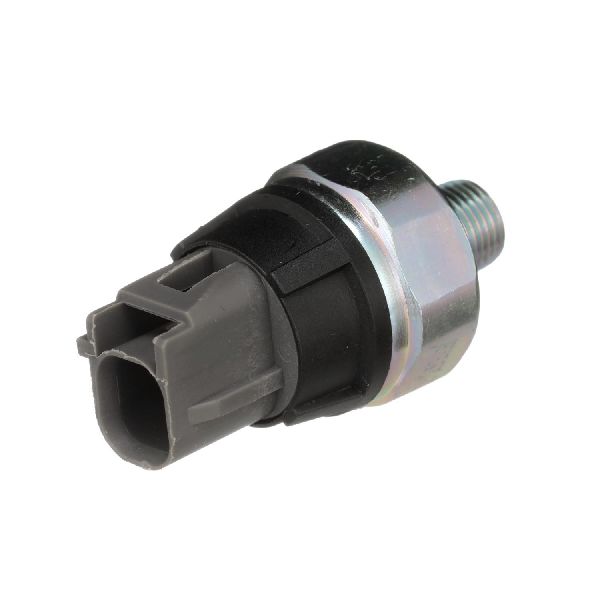
- Do not confuse this part with the VTEC oil pressure switch; they have different functions and part numbers.
- If the oil light comes on, always check the oil level immediately before assuming the switch is bad.
- Be extremely careful not to overtighten the new switch, as this can crack the engine block.
Understanding the Oil Pressure Switch on Your CR-V

For 2002-2007 Honda CR-V models, the engine oil pressure switch is a common replacement item. It's a simple pressure-activated switch that lives in a harsh environment on the back of the engine block. Over time, heat and pressure cause them to fail in two main ways: they start to leak oil externally, or they fail internally, causing false warnings on your dashboard.
Warning: VTEC Switch vs. Oil Light Switch
Your CR-V's K24 engine has two oil pressure switches. This guide is for the main switch that controls the red oil light on the dash. There is a second switch for the VTEC system, located on the VTEC solenoid assembly. A failure of the VTEC switch will typically turn on the Check Engine Light with codes like P2646 or P2647, not the main oil pressure light. It is a common mistake to order the wrong part, so be sure you are replacing the correct switch for your symptoms.
Symptoms of a Failing Oil Pressure Switch

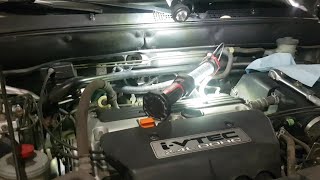
The signs of a bad oil pressure switch are usually straightforward. The most common issue on this generation of CR-V is an external oil leak. You may see oil dripping from the passenger side of the engine, often making its way down to 🎬 See what a typical oil pressure sensor leak looks like. the oil pan or the ground. The second symptom is an electrical failure, which can cause the red oil pressure light to flicker, especially at idle or during turns, or stay on constantly even when the oil level is correct.
Pro Tip: If your oil light comes on, ALWAYS stop the vehicle as soon as it is safe and check the oil level. Driving with low oil pressure can destroy an engine in minutes. If the oil level is full, the problem is likely the switch, but it's a risk to keep driving without confirming the engine has proper oil pressure.
Choosing the Right Aftermarket Switch

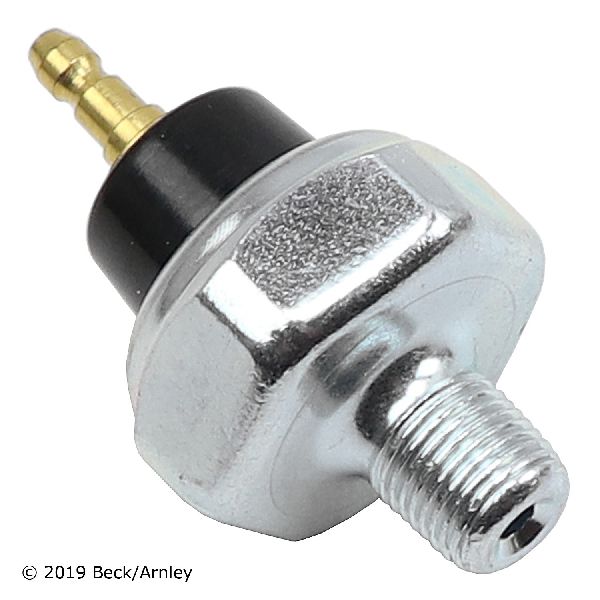
While a Genuine Honda switch is always a safe bet, several quality aftermarket options are available. Given the low cost of the part, choosing a reputable brand is wise to avoid premature failure and leaks.
- Premium Aftermarket (e.g., Beck Arnley, Standard Ignition): Brands like Beck Arnley have a strong reputation for sourcing parts that meet or exceed OE specifications, sometimes even from the original factory suppliers. Standard Motor Products (SMP) is another established brand with a history of reliable electronics. These are excellent choices for a durable repair.
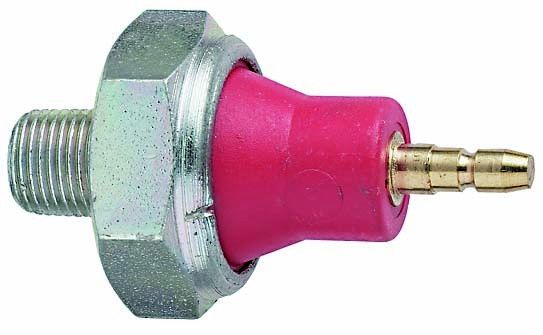
- Value Aftermarket (e.g., URO Parts, True Tech): Budget-friendly brands can be a viable option, but quality can be inconsistent. While they may function correctly, they might not have the same longevity as premium or OEM parts. Given the part's critical function and the labor involved, saving a few dollars here might not be worth the risk of a premature leak.
| Part Type | Estimated Cost |
|---|---|
| New OEM (Genuine Honda) | $35 - $55 |
| New Aftermarket | $10 - $45 |
| Shop Labor | $80 - $140 |
Installation Tips

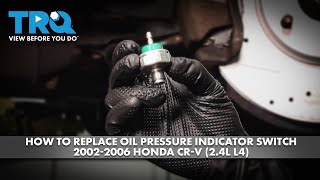
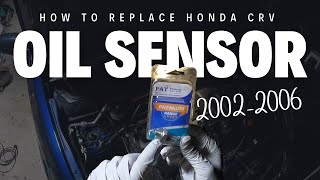
Replacing the switch is feasible for a DIY mechanic with basic tools. It is located on 🎬 Watch this step-by-step walkthrough for replacing the switch. the back of the engine block, near the oil filter. Access is often easier from underneath the vehicle, and sometimes removing the passenger-side front wheel provides a better angle.
CRITICAL WARNING: The switch threads into the aluminum engine block. It is extremely easy to overtighten the switch and crack the block, which is a catastrophic and expensive failure. The torque specification is very low, around 16 ft-lbs. If you do not have a torque wrench, tighten it until it is snug and then give it a very slight additional turn. Do NOT overtighten. Use a small amount of liquid thread sealant on the threads of the new switch to ensure a leak-free seal.
Frequently Asked Questions (FAQ)
Where is the oil pressure switch located on a 2002-2007 CR-V?
It is on the back of the engine block (the side facing the firewall), near the oil filter housing. You can usually see it by looking down behind the intake manifold or by looking up from underneath the passenger side of the vehicle.
Can I drive with a leaking oil pressure switch?
It is not recommended. A small leak can quickly become a large one, leading to a low oil level and severe engine damage. You should check your oil level daily and get the switch replaced as soon as possible.
Why is my oil light flickering if the oil level is full?
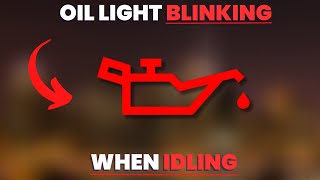
This is a classic sign of an electrically failed oil pressure switch. The internal components wear out and can no longer accurately detect pressure, 🎬 Learn more about why your oil light flickers at idle. causing the light to flicker. It's also possible there is a wiring issue or, in rare cases on high-mileage engines, an actual oil pressure problem at idle. Replacing the switch is the first and most likely solution.
What tools do I need to replace the oil pressure switch?
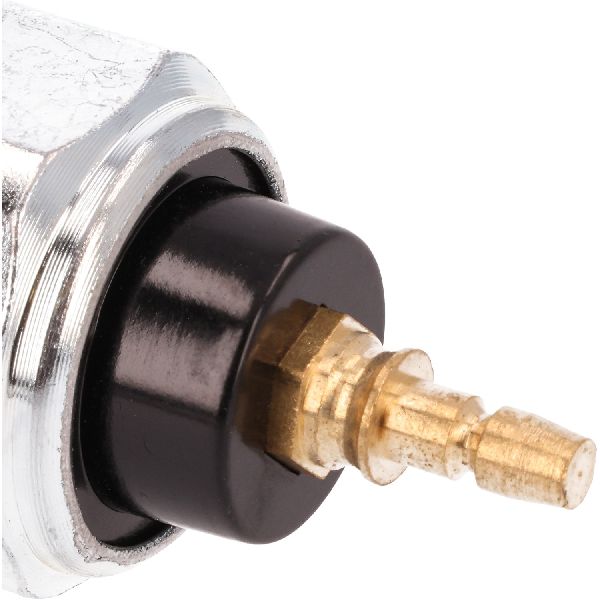
You will need a ratchet with an extension and a special deep socket for oil pressure switches, typically 22mm or 24mm (15/16 inch). You may also need a flathead screwdriver to release the clip on the electrical connector. A torque wrench is highly recommended.
Are there any recalls for the oil pressure switch on the 2002-2007 CR-V?
No, there have been no recalls issued by Honda or the NHTSA for the engine oil pressure switch on these vehicles. There was a recall for a power window switch that could cause a fire and numerous airbag recalls.
Helpful Videos
Technical Specifications
OEM Part Numbers: 37240-PT0-014 37240-PHM-003 37240-PT0-003
Location: Rear of engine block, near oil filter. Socket Size: 22mm or 24mm deep socket. Torque Spec: 16 ft-lbs (22 N-m).
We Have This Part in Stock


The information in this article is provided for general reference and educational purposes only. Vehicle specifications, procedures, and part compatibility can vary by production date, trim level, and region. Always consult your vehicle's factory service manual and verify part numbers before purchasing or performing repairs. Safety-critical components such as airbags, seat belts, and braking systems should be installed by a qualified professional.
- Honda CR-V: