

A Guide to the Engine Intake Manifold Gasket for the 2002-2007 Buick Rendezvous
If you own a Rendezvous with the 3.4L V6, it's not a question of if your intake gasket will leak, but when.
- This is a very common failure on the 3.4L V6 engine due to a poor original gasket design.
- Choose an upgraded aftermarket gasket set with a metal frame (like Fel-Pro or Mahle) for a permanent fix.
- Always replace the intake manifold bolts with the new, specified bolts that come in better kits.
- Check your oil for a 'milky' appearance. If you see it, do not drive the vehicle to avoid catastrophic engine damage.
The Notorious Rendezvous Gasket Leak
The lower intake manifold gasket on the 3.4L V6 engine used in the 2002-2007 Buick Rendezvous is one of the most common failure points on the entire vehicle. The original factory gaskets were made from a plastic composite material that breaks down over time from engine heat and exposure to coolant. This leads to coolant leaks, which can cause serious engine problems if not addressed. General Motors even issued a Technical Service Bulletin (TSB 03-06-01-010C) acknowledging the issue and providing an updated repair procedure.
Symptoms of a Failing Intake Manifold Gasket
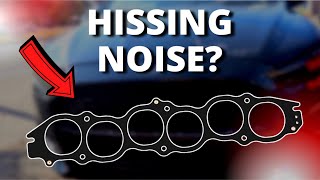
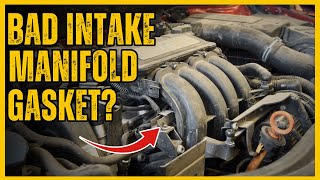
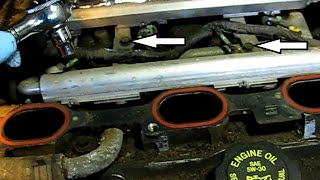
A bad intake gasket can show itself in several ways. 🎬 Watch: A visual guide to common intake manifold gasket symptoms. You might notice just one of these, or several at once.
- Coolant Leaks: This is the most common sign. You may find puddles of orange or green coolant under your vehicle, or you might smell a "sweet" scent after driving. The leak is often visible where the cylinder heads meet the intake manifold at the front or back of the engine.
- Engine Overheating: A coolant leak will eventually cause the engine to run low on coolant, leading to overheating. If your temperature gauge is climbing higher than normal, a leaking intake gasket is a likely cause.
- Rough Idle or Misfires: If the gasket fails on the intake port side, it can create a vacuum leak, letting unmetered air into the engine. This can cause a rough idle, poor acceleration, and may trigger the Check Engine Light with codes like P0171 (System Too Lean) or P0300 (Random Misfire).
Critical Symptom: Milky Engine Oil
The most dangerous symptom is an internal coolant leak. This is when the gasket fails between a coolant passage and the engine's interior, allowing coolant to mix directly with your engine oil. You can check for this by looking at the underside of your oil filler cap or on the oil dipstick. If you see a creamy, frothy, light-brown substance that looks like a chocolate milkshake, your oil and coolant are mixing. Stop driving the vehicle immediately. Driving with contaminated oil will destroy the engine's bearings and lead to catastrophic engine failure.
Choosing the Right Aftermarket Gasket Set
This is one repair where aftermarket parts are widely considered a major upgrade over the original OEM design. You have several good options.
Brand Tiers for This Repair
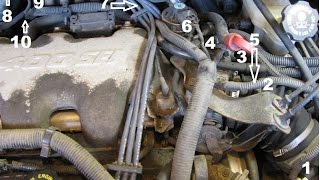
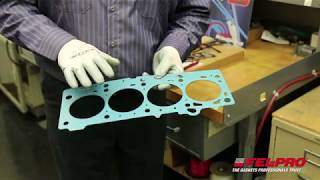
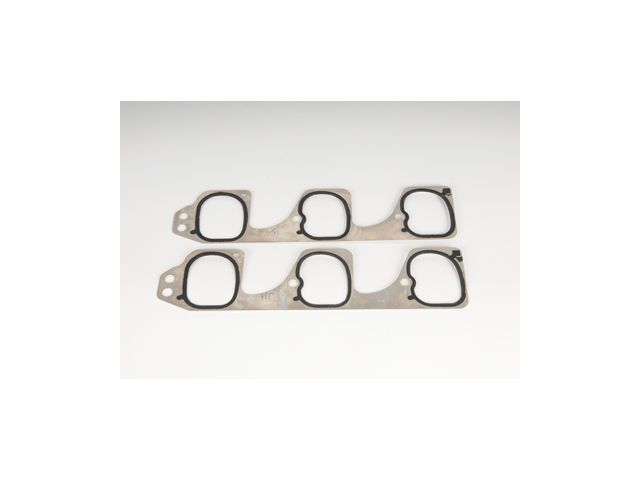
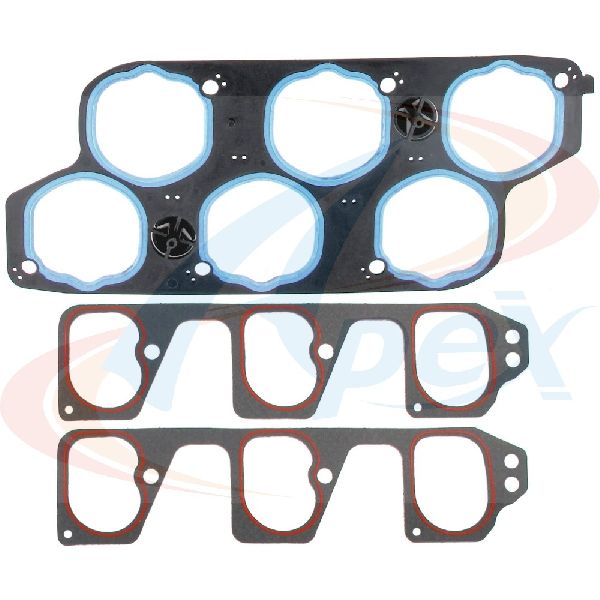
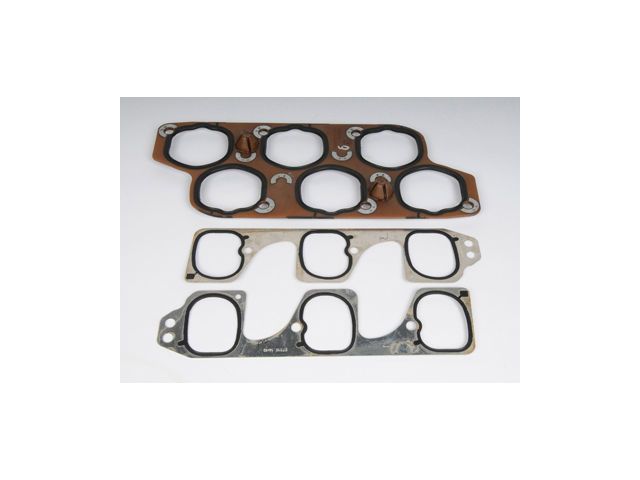
- Top Tier (Recommended): Look for gasket sets from brands like Fel-Pro or Mahle. Specifically, the Fel-Pro "Problem Solver" kit (part number MS98003T) is a popular and highly recommended permanent fix. 🎬 Watch: How to properly install these upgraded Fel-Pro gaskets. These kits replace the original plastic-frame gasket with a more durable aluminum or steel-frame gasket that resists corrosion and warping. They are designed to prevent the exact failure that plagues the original part.
- Good Tier: An updated ACDelco gasket set is also a reliable choice. ACDelco is GM's official parts brand, and their current gaskets have been updated to the improved design specified in the TSB. Ensure you are getting the new design, not old stock.
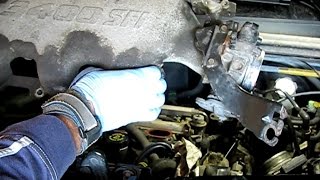
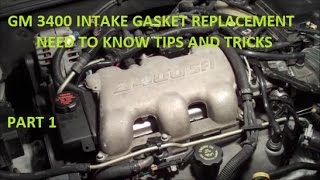
- Avoid: Do not use a cheap, unbranded gasket set or an old-stock gasket with the original plastic design. It will fail again, forcing you to do this labor-intensive job a second time. 🎬 See this walkthrough for expert tips on replacing the gasket.
| Part/Service | Estimated Cost |
|---|---|
| New Aftermarket Gasket Set | $40 - $155 |
| New OEM Gasket Set (Updated Design) | $70 - $180 |
| Shop Labor | $400 - $800 |
| Total Professional Replacement | $440 - $980+ |
Frequently Asked Questions (FAQ)
Is there a recall for the intake manifold gasket on the Buick Rendezvous?
No, there has never been a safety recall for this specific issue. GM addressed the problem with a Technical Service Bulletin (TSB), which is a repair advisory for dealerships, but it is not a recall and the repair is not free unless the vehicle is under warranty.
Why did the original gasket fail?
The original gaskets used a nylon/plastic frame. Over many heat cycles and years of exposure to GM's Dex-Cool coolant, this plastic becomes brittle and can crack or warp, causing the seal to fail. The updated aftermarket and OEM gaskets use a metal frame that does not have this problem.
Do I really need to replace the intake manifold bolts?
Yes, absolutely. The TSB for this repair specifies that the intake manifold bolts are one-time use and must be replaced. The new bolts come with a pre-applied threadlocker and are designed to be torqued to a specific value to ensure a proper, lasting seal. Reusing the old bolts can cause them to back out over time, leading to a repeat leak. Many quality gasket kits, like the Fel-Pro set, include the new bolts.
Can I just use a liquid stop-leak product instead?
It is strongly advised not to use stop-leak additives as a permanent solution. While it might temporarily slow a small leak, it cannot fix the physically failed gasket. These products can also clog the radiator, heater core, and small coolant passages, leading to much bigger and more expensive problems down the road.
Helpful Videos
Technical Specifications
Related GM Technical Service Bulletin (TSB): 03-06-01-010C. Popular aftermarket upgrade kit: Fel-Pro MS98003T.
We Have This Part in Stock


The information in this article is provided for general reference and educational purposes only. Vehicle specifications, procedures, and part compatibility can vary by production date, trim level, and region. Always consult your vehicle's factory service manual and verify part numbers before purchasing or performing repairs. Safety-critical components such as airbags, seat belts, and braking systems should be installed by a qualified professional.
- Buick Rendezvous: