

Honda CR-V Engine VVT (VTEC) Solenoid Guide: 2002-2006
Fix check engine lights and restore lost power in your second-generation CR-V by understanding and replacing the VTEC solenoid.
- Check your oil level and condition before replacing the part; low or dirty oil is a common cause of VTEC issues.
- Error codes P2646 or P2647 are strong indicators that the VVT/VTEC solenoid assembly is the problem.
- This is a DIY-friendly repair that requires basic tools and can be completed in under an hour.
- For best results and to avoid repeat failures, use an OEM (Honda/Hitachi) or premium aftermarket part like Beck Arnley.
Is Your CR-V Feeling Sluggish or Throwing a Check Engine Light?

If your 2002-2006 Honda CR-V suddenly won't accelerate past about 3,000 RPM, feels sluggish, or has the check engine light on, a faulty Variable Valve Timing (VVT) Solenoid could be the culprit. On your Honda, this part is more commonly known as the VTEC solenoid or spool valve assembly. It's a very common failure point on the K24 engine in this generation of CR-V, but it's also straightforward to diagnose and replace.
Symptoms of a Failing VVT Solenoid

A bad VVT solenoid will almost always trigger a Check Engine Light. The most common trouble codes are P2646 ("A" Rocker Arm Actuator System Performance/Stuck Off) and P2647 ("A" Rocker Arm Actuator System Stuck On). Depending on which way the solenoid fails, you'll experience different symptoms:
- Engine feels gutless and won't rev high: This is often called "limp mode" and is a classic sign of the P2646 code, where the VTEC system can't engage the high-power cam profile.
- Rough or unstable idle: If the solenoid is stuck on (P2647), the engine will run poorly at low speeds and may even stall.
- Poor Fuel Economy: When the system isn't working correctly, your gas mileage will suffer.
- Oil Leaks: The gaskets on the solenoid assembly can fail over time, causing oil to leak down the back of the engine.
Check Your Oil First!
Before you buy any parts, check your engine oil level and condition. Low or dirty oil is a primary cause of VTEC problems and can trigger the same error codes. An oil change is much cheaper than a new solenoid.
Choosing the Right Aftermarket VVT Solenoid

When it comes to electronic engine components on a Honda, quality matters. While many aftermarket options are available, owner and mechanic feedback suggests a tiered approach.
Tier 1: OEM & Premium Aftermarket (Hitachi, Beck Arnley)
The original factory part is made by Hitachi. Buying a Hitachi-branded part or a new OEM Honda part (which is Hitachi) is the safest bet for long-term reliability. Beck Arnley is also known for sourcing parts from the original equipment manufacturers, making them a strong choice. These are your best options to avoid repeat failures.
Tier 2: Reputable Aftermarket (Standard Ignition, Dorman)
Brands like Standard Motor Products (Standard Ignition) and Dorman offer a balance of quality and price. They are generally reliable and a good choice for a DIY repair on a budget. However, some owners report these parts failing sooner than an OEM unit. If you choose this tier, buy from a retailer with a good warranty policy.
Tier 3: Budget Brands (URO Parts, Ackoja, Skyward, etc.)
These brands offer the lowest prices but come with the highest risk. Forum discussions and mechanic reviews frequently warn against using budget electronics on Honda engines, as they can be dead on arrival or fail within months, causing you to do the job all over again. These are best avoided unless the vehicle's age and condition make it the only economical choice.
Consider Replacing Just the Gaskets First
The VVT solenoid assembly has two small filter screens with rubber gaskets that get clogged with sludge over time. If your only symptom is an oil leak or an intermittent P2646 code, you might be able to solve the problem by simply cleaning the solenoid and replacing the gaskets (OEM part numbers 15815-RAA-A02 and 15845-RAA-A01) for a fraction of the cost.
Cost of Replacing the VVT Solenoid on a 2002-2006 CR-V
| Part Type | Estimated Cost |
|---|---|
| New OEM | $200 - $290 |
| New Aftermarket | $58 - $177 |
| Shop Labor | $80 - $150 |
Frequently Asked Questions

Where is the VVT solenoid located on the 2002-2006 CR-V?
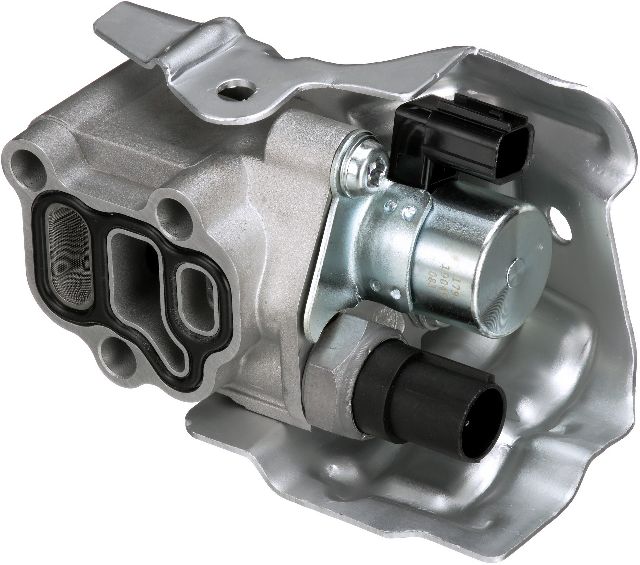
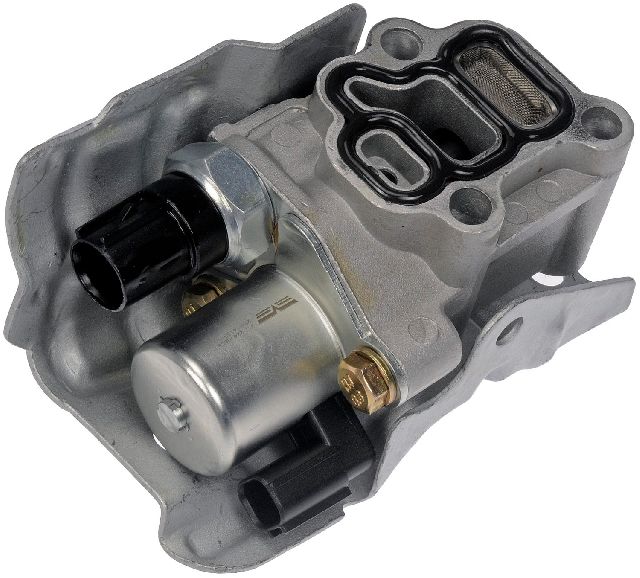
The VVT solenoid assembly is located on the back of the cylinder head, on the passenger side of the engine, near the power steering pump. It has two electrical connectors and is held on by three 10mm bolts.
Can I just clean my old VVT solenoid?
Sometimes, yes. If the issue is a clogged screen, removing the solenoid, cleaning the screens with brake cleaner, and installing new gaskets can solve the problem. However, if the electronic solenoid itself has failed internally, cleaning will not help and the entire assembly must be replaced.
Is this a difficult job to do myself?
No, this is a very DIY-friendly repair. Access is a bit tight, but it only requires basic hand tools like a 10mm socket and ratchet. The entire job can usually be done in under an hour. You simply disconnect the electrical plugs, remove three bolts, and swap the part.
Are there any recalls for this part?
No, there are no specific recalls from Honda or NHTSA for the VVT solenoid on the 2002-2006 CR-V. There is a Technical Service Bulletin (TSB 13-021) for related codes P2646 and P2647 that points to a faulty oil pressure switch, which is part of the solenoid assembly.
What happens if I don't replace a bad VVT solenoid?
You can continue to drive the car, but it will perform poorly. You will have either a lack of power for merging and passing or a rough idle and poor fuel economy. It will not pass an emissions test with the check engine light on. While it's unlikely to cause major engine damage in the short term, driving with incorrect oil pressure regulation is not recommended.
Helpful Videos
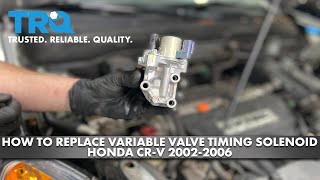
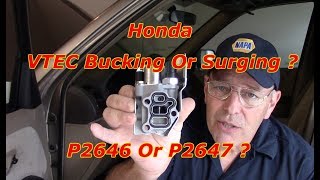
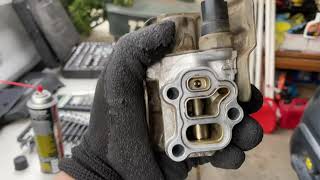

Technical Specifications
OEM Part Numbers: 15810-RAA-A03 15810-RAA-A01 15810-PPA-A01 15810-PNE-G01
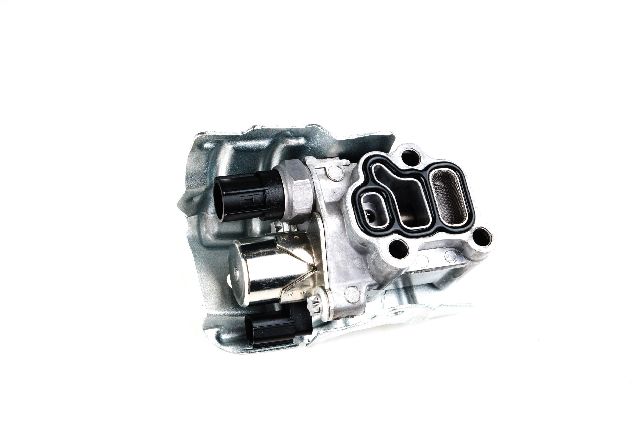
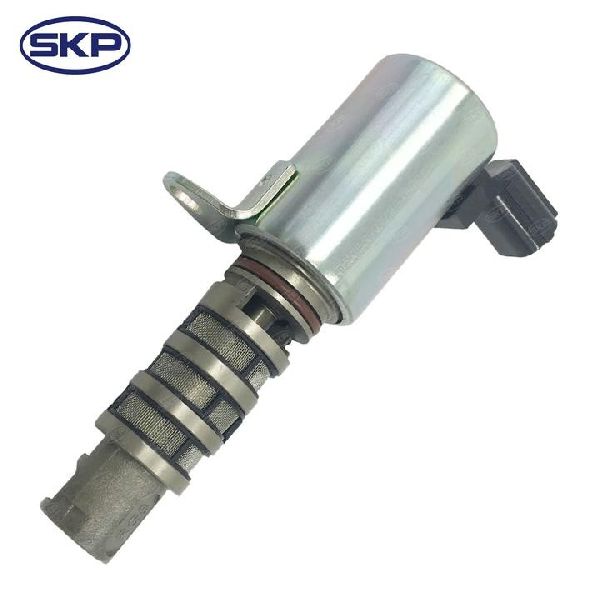
The VVT Solenoid for the 2002-2006 Honda CR-V is a complete assembly, often called a spool valve. It includes the solenoid, the oil pressure switch, and the necessary gaskets with integrated filter screens. It is mounted to the cylinder head with three 10mm bolts.
We Have This Part in Stock


The information in this article is provided for general reference and educational purposes only. Vehicle specifications, procedures, and part compatibility can vary by production date, trim level, and region. Always consult your vehicle's factory service manual and verify part numbers before purchasing or performing repairs. Safety-critical components such as airbags, seat belts, and braking systems should be installed by a qualified professional.
- Honda CR-V: