

Choosing the Right Serpentine Belt for Your 2002-2005 Workhorse FasTrack FT1801
Keep your commercial chassis running reliably by understanding which serpentine belt is the right choice for your engine.
- You must confirm your engine size (5.7L, 6.0L, or 6.5L) before purchasing, as belts are not interchangeable.
- High-quality aftermarket brands like Gates and Continental offer excellent performance and value.
- Always inspect the tensioner and idler pulleys when replacing the belt and replace them if they are noisy or wobbly.
- Do not drive if the belt is broken, as it will cause the engine to overheat and you will lose power steering.
Is Your Serpentine Belt Failing?
A worn-out serpentine belt gives clear warning signs. On a hard-working vehicle like the FasTrack FT1801, ignoring these signs can lead to a breakdown. A broken belt will stop the water pump, causing the engine to overheat quickly, and will cut power to the steering pump, making the vehicle very difficult to control.
Look for these common symptoms:
- Squealing Noises: A high-pitched squeal when you start the engine or turn on the A/C is a classic sign of a slipping or worn belt.
- Visible Damage: Look at the belt. If you see cracks, frayed edges, missing ribs, or a shiny, glazed surface, it needs to be replaced immediately.
- Accessory Problems: If your battery light comes on, the steering feels heavy, or the engine temperature rises, the belt may be slipping and unable to properly power the accessories.
Important: Verify Your Engine Before Ordering
The 2002-2005 FasTrack FT1801 was offered with several GM-based engines, including 5.7L, 6.0L, and 6.5L V8 options. The serpentine belts for these engines are different lengths and are not interchangeable. Always confirm your specific engine size before buying a new belt. You can find this information on a sticker under the hood or by using your vehicle's VIN.
Choosing the Right Aftermarket Belt: Continental vs. Gates
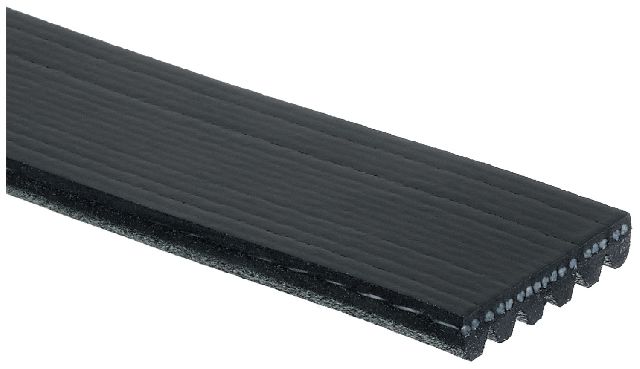
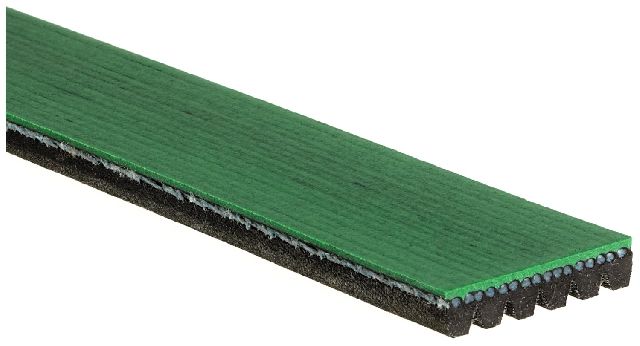
For a commercial chassis, you don't need to pay extra for a dealer OEM belt. Top-tier aftermarket brands like Continental and Gates are known for making high-quality parts that meet or exceed original specifications. Both are excellent choices made from durable EPDM rubber that resists heat and cracking.
| Brand Tier | Brand(s) | Why Choose It? |
|---|---|---|
| Standard Replacement | Continental, Gates Micro-V | An excellent choice for regular daily use. These belts provide quiet, reliable performance and are a significant upgrade over an old, worn belt. |
| Heavy-Duty | Gates FleetRunner | For vehicles under constant stress, high mileage, or heavy loads, the Gates FleetRunner series offers enhanced durability and better resistance to high temperatures, providing extra peace of mind. |
Pro Tip: Inspect Your Pulleys
While the serpentine belt is off, it is the perfect time to check the belt tensioner and any idler pulleys. Spin each pulley by hand. They should spin smoothly and silently. If you hear grinding noises or feel any wobble, the pulley's bearing is failing and it should be replaced. A bad pulley can quickly destroy a brand-new belt.
Frequently Asked Questions (FAQ)
Which brand is better, Gates or Continental?
Both Gates and Continental are highly respected manufacturers that produce top-quality serpentine belts. Many professional mechanics and fleet owners trust Gates for heavy-duty applications. However, a standard belt from either brand is a reliable choice for the FasTrack FT1801.
Are there any recalls on the serpentine belt for the FT1801?
No specific serpentine belt recalls or technical service bulletins (TSBs) were found for the 2002-2005 Workhorse FasTrack FT1801 during a search of the NHTSA database.
How often should I replace the serpentine belt?
There is no universal replacement interval. Belts should be inspected during every oil change for signs of wear like cracking, fraying, or glazing. As a general rule, consider replacing it every 60,000 to 90,000 miles or if it shows any visible signs of damage, whichever comes first.
Can I replace the serpentine belt myself?
Yes, for someone with basic mechanical skills and the right tools, this is a manageable DIY job. You will need a long-handled breaker bar or a serpentine belt tool to release the tensioner. The biggest challenge is often tight access to the front of the engine in a commercial chassis. Always make sure you have a diagram of the belt's routing before you remove the old one.
Technical Specifications
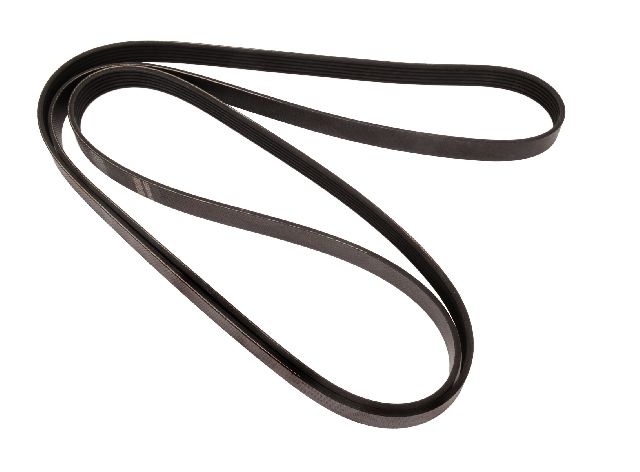
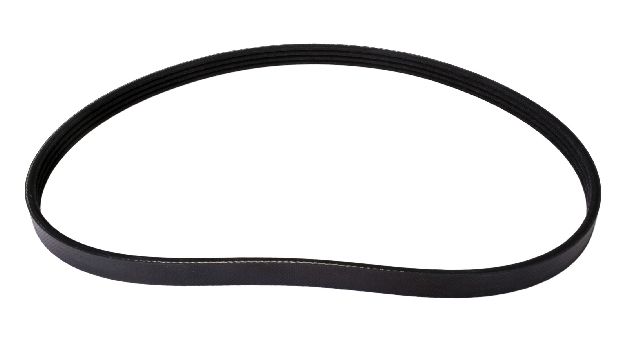
The belt required depends on your specific engine. For the 5.7L V8, the belt is a 6-rib design with an effective length of approximately 87 inches. Belts for the 6.0L and 6.5L engines will have different specifications. All modern replacement belts are made from durable EPDM rubber.
We Have This Part in Stock

The information in this article is provided for general reference and educational purposes only. Vehicle specifications, procedures, and part compatibility can vary by production date, trim level, and region. Always consult your vehicle's factory service manual and verify part numbers before purchasing or performing repairs. Safety-critical components such as airbags, seat belts, and braking systems should be installed by a qualified professional.
- Workhorse FasTrack FT1801: