

2002-2003 Lincoln Blackwood Ignition Knock Sensor Replacement Guide
Protect your Blackwood's unique 5.4L 32-valve engine by understanding and replacing a faulty knock sensor.
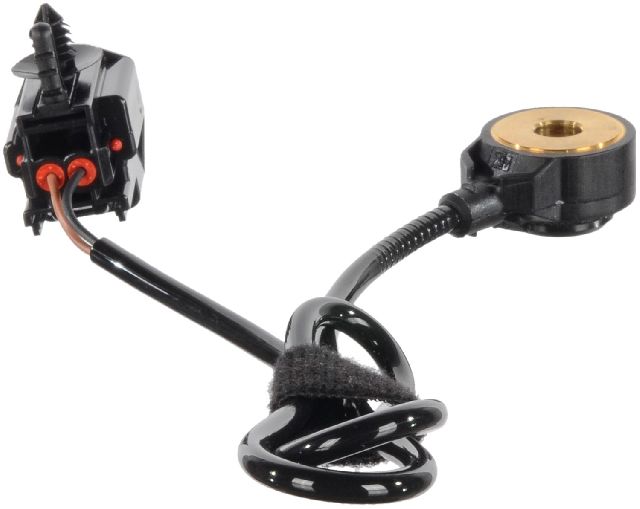
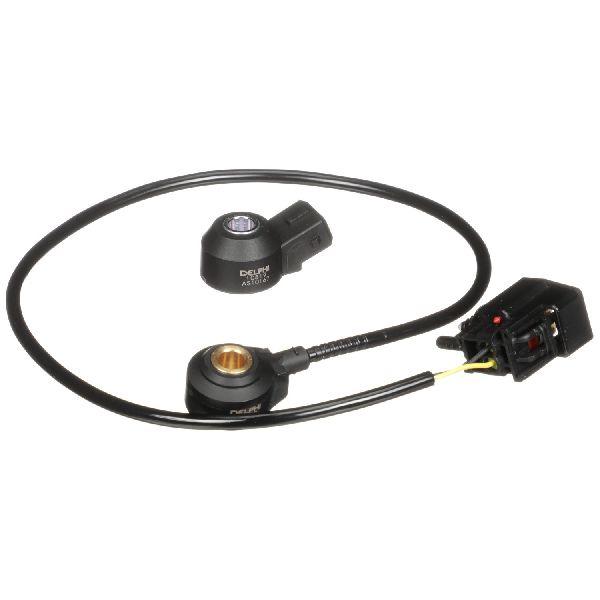
- The 5.4L DOHC engine has two knock sensors located under the intake manifold; always replace both at the same time.
- Symptoms include a Check Engine Light (P0325/P0330), engine pinging, poor power, and bad gas mileage.
- Replacement is a labor-intensive job requiring removal of the intake manifold, making professional installation costly.
- Choose a high-quality aftermarket brand like Bosch, Delphi, or NGK to avoid repeating this difficult repair.
Is Your Blackwood's Engine At Risk?
The 2002-2003 Lincoln Blackwood is a rare truck with a special engine: a 32-valve 5.4L V8 shared with the Lincoln Navigator. Protecting this engine is key. The knock sensors are your first line of defense against engine-damaging detonation. When one fails, the engine's computer may not be able to tell if knocking is occurring, or it may default to a "safe" mode that reduces power and fuel economy to prevent damage. Replacing a bad knock sensor is critical for long-term engine health and performance.
Symptoms of a Failing Knock Sensor
A bad knock sensor can be hard to diagnose without scanning for codes, but there are several common signs. If you notice any of these, it's time to investigate.
- Check Engine Light: This is the most common symptom. A fault in the sensor or its circuit will trigger the check engine light and store a trouble code, such as P0325 (Knock Sensor 1 Circuit Malfunction) or P0330 (Knock Sensor 2 Circuit Malfunction).
- Audible Engine Pinging: You might hear a metallic pinging or rattling sound, especially when accelerating or going up hills. This is the sound of detonation, which a healthy sensor should detect and correct.
- Reduced Engine Power: The truck may feel sluggish or slow to accelerate. This can happen if the computer defaults to a retarded timing setting to protect the engine, reducing its power output.
- Worse Fuel Economy: When ignition timing isn't optimized, the engine runs less efficiently, leading to more trips to the gas station.
A Note on Installation Location
On the 5.4L 32-valve engine, the two knock sensors are located in the engine valley, underneath the entire intake manifold assembly. This makes replacement a significant job that requires removing the intake. This is not a simple bolt-off, bolt-on repair.
Choosing the Right Aftermarket Knock Sensor
While you can always get an OEM Motorcraft part from a dealer, high-quality aftermarket brands offer reliable performance for less money. For a sensor this critical and labor-intensive to replace, it's best to avoid the cheapest options.
- Premium Brands (Recommended): Brands like Bosch, Delphi, and NGK are often original equipment suppliers to automakers. They have a strong reputation for quality and reliability, making them a safe bet for a part that is difficult to access.
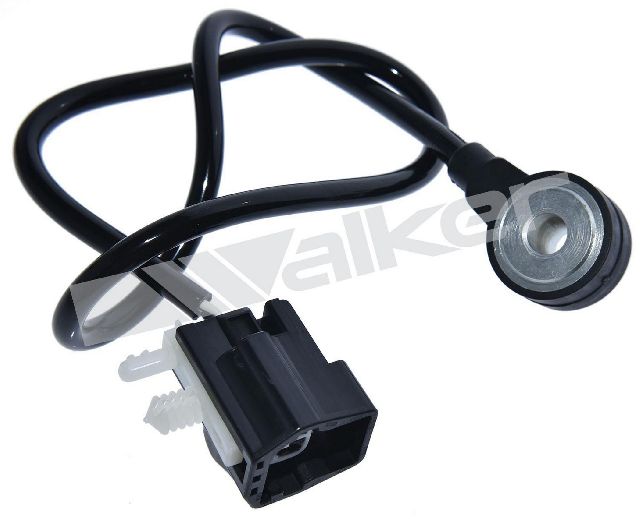
- Reputable Aftermarket: Brands like Standard Ignition (SMP) and Walker Products have been in the aftermarket for a long time and generally offer a good balance of price and quality.
- Value Brands: Parts from brands like Holstein or Global Parts are more budget-focused. While they can work, their long-term durability may be a concern. Given the high labor cost to replace these sensors, saving a few dollars on the part itself may not be worth the risk of having to do the job again.
| Item | Estimated Cost |
|---|---|
| New OEM (Motorcraft) Part | $40 - $60 per sensor |
| New Aftermarket Parts | $35 - $57 per sensor |
| Shop Labor | $360 - $720 |
| Total Professional Replacement | $470 - $894 |
Cost estimates are for reference only and may vary based on your location, the specific parts chosen, and the shop's labor rate. The 5.4L DOHC engine uses two knock sensors; it is highly recommended to replace both at the same time.
Frequently Asked Questions
Can I replace just one knock sensor?
Because accessing the sensors requires removing the intake manifold, the vast majority of the cost is labor. It is strongly recommended to replace both sensors at the same time. They are the same age and have endured the same conditions, so if one has failed, the other may not be far behind. Replacing both at once saves you from paying for the same difficult labor twice.
Is this a DIY job?
For an experienced DIY mechanic, yes. However, it is a complex job. It requires draining some coolant, disconnecting numerous electrical connectors and vacuum lines, and removing the entire intake manifold. A torque wrench is essential, as over-tightening or under-tightening the new sensor bolt can cause it to malfunction. For a beginner, this job is likely too difficult.
Are there any recalls for the knock sensor on the Blackwood?
No, as of early 2026, there are no specific NHTSA recalls or Technical Service Bulletins (TSBs) for the ignition knock sensors on the 2002-2003 Lincoln Blackwood.
What is the most common mistake when replacing a knock sensor?
Besides not replacing both sensors at once, the most common mistake is dropping the new sensor or improperly torquing it. The piezoelectric crystal inside is sensitive and can be damaged if the sensor is dropped. Also, the sensor must be torqued to the manufacturer's specification to ensure it correctly 'hears' the engine vibrations.
Technical Specifications
OEM Part Numbers: XL3Z-12A699-AA XL3F12A699AA
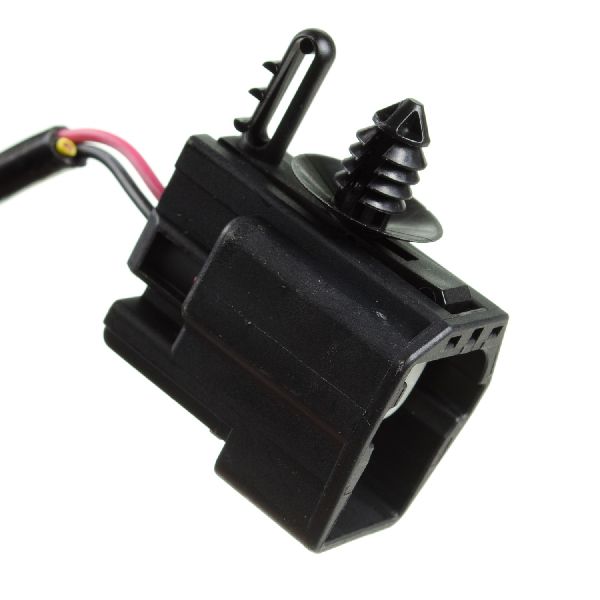
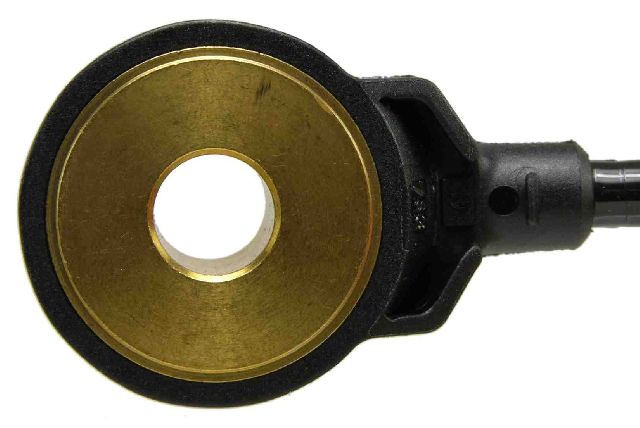
The 2002-2003 Lincoln Blackwood uses two knock sensors. They are located in the engine valley beneath the intake manifold.
We Have This Part in Stock


The information in this article is provided for general reference and educational purposes only. Vehicle specifications, procedures, and part compatibility can vary by production date, trim level, and region. Always consult your vehicle's factory service manual and verify part numbers before purchasing or performing repairs. Safety-critical components such as airbags, seat belts, and braking systems should be installed by a qualified professional.
- Lincoln Blackwood: