

2002-2003 Ford F-150 Ignition Control Relay: A Complete Guide
If your F-150 won't start or keeps stalling, the ignition control relay is a likely and easy-to-fix culprit.
- A 'no-start' or 'crank, no-start' condition is the most common sign of a bad ignition relay on this F-150.
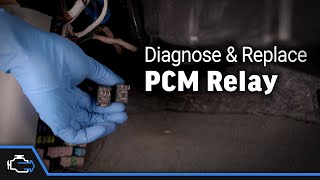
- You can test the relay for free by swapping it with the horn relay in the under-hood fuse box.
- Choose a quality aftermarket brand like Standard Ignition; widespread reports suggest avoiding URO Parts for this component.
- This is a very easy and inexpensive DIY repair that takes less than 5 minutes and requires no tools.
Is Your F-150 Refusing to Start?

A common headache for 2002-2003 Ford F-150 owners is a truck that suddenly won't start. You'll turn the key and either hear a single click or the engine will crank over but never actually fire up. In many cases, the cause isn't a major component like the starter or fuel pump, but a small, inexpensive part: the ignition control relay (also known as the PCM power relay).
Common Symptoms of a Failing Relay

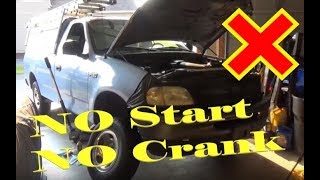
- No Crank, No Start: The dashboard lights and radio turn on, but the engine does nothing when you turn the key. 🎬 See this step-by-step guide to diagnosing a no-crank condition
- Cranks But Won't Start: The starter turns the engine over, but it never catches and runs. This often happens if the relay isn't powering the fuel pump or ignition coils.
- Engine Stalls Unexpectedly: The truck may die while you are driving if the relay fails and cuts power to the engine's computer.
- Drained Battery: A faulty relay can get stuck in the 'on' position, causing components to run after the truck is turned off and draining your battery overnight.
- Intermittent Issues: The problem may come and go, with the truck starting fine one day and failing the next.
Pro Tip: The Relay Swap Test
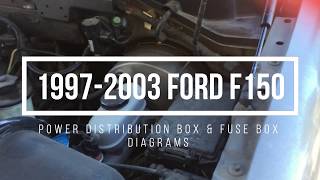
Your F-150's fuse box contains several identical relays. You can perform a quick test by swapping the ignition relay with another one from a non-essential system, like the horn. The relay's location is shown on the diagram inside the fuse box lid. 🎬 Watch: How to find your fuse box and relay diagrams If you swap the relays and your truck starts (but the horn no longer works), you've confirmed the relay is bad. This is a simple, no-cost way to diagnose the problem.
Choosing the Right Aftermarket Relay

When replacing this part, you don't need to go to the dealer. Aftermarket relays are affordable and readily available. However, quality can vary significantly between brands.
- Standard Ignition (SMP): This brand is well-regarded in the auto repair industry. They produce reliable parts that meet or exceed OEM specifications. For a critical component like an ignition relay, Standard Ignition is a trustworthy choice that professionals often use.
- URO Parts: While attractively priced, URO Parts has a widespread reputation for poor quality in electrical components. Forum discussions and reviews frequently mention URO relays failing right out of the box or after a very short time. Given the low cost of a quality relay, it is not recommended to use this brand for a part that can leave you stranded.
Cost to Replace the Ignition Control Relay
This is one of the most affordable repairs you can make. The part itself is inexpensive, and since it requires no tools to replace, you can save a lot by doing it yourself.
| Part/Service | Estimated Cost |
|---|---|
| New Aftermarket Relay | $14 - $19 |
| New OEM Relay | $25 - $40 |
| Shop Labor | $37 - $54 |
| Total DIY Cost | $14 - $19 |
| Total Professional Replacement | $65 - $82 |
Known Issues for 2002-2003 F-150
While there are no specific recalls for the ignition relay, be aware of a major safety recall for the cruise control deactivation switch on these trucks. This switch can leak and potentially cause a fire, even when the truck is off. It is highly recommended to check if your vehicle has had this recall service performed. Another recall involves fuel tank straps that can rust and fail.
Frequently Asked Questions (FAQ)

Where is the ignition control relay located on a 2002-2003 F-150?
It is located in the Power Distribution Box, which is the main fuse and relay box in the engine compartment on the driver's side. The diagram on the underside of the box lid will show you which one is the PCM or ignition relay.
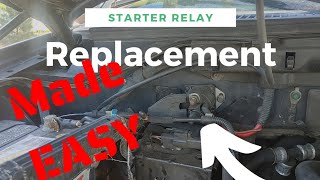
🎬 Watch: Locate and replace the starter relay on your F-150Can I replace the ignition relay myself?
Yes, absolutely. This is one of the easiest repairs you can do. It requires no tools. Simply open the fuse box, locate the correct relay, pull the old one straight out, and push the new one firmly into its place. The entire process takes less than five minutes.
Is the starter relay the same as the ignition or PCM relay?
The terms are often used interchangeably, and on many vehicles, they are the same part number and can be swapped. The PCM (Powertrain Control Module) relay powers the engine computer, while the starter relay specifically powers the starter solenoid. On your F-150, a failure of the PCM relay will prevent the truck from starting, leading many to call it a starter or ignition relay. Always check the fuse box diagram for the correct name and location.
My truck still won't start after replacing the relay. What else could it be?
If a new relay doesn't solve the problem, other potential causes for a 'crank, no start' condition include a bad fuel pump, a clogged fuel filter, a bad crankshaft position sensor, or an issue with the PATS (Passive Anti-Theft System). For a 'no crank' issue, you could have a bad starter, a dead battery, or a faulty ignition switch.
Helpful Videos
Technical Specifications
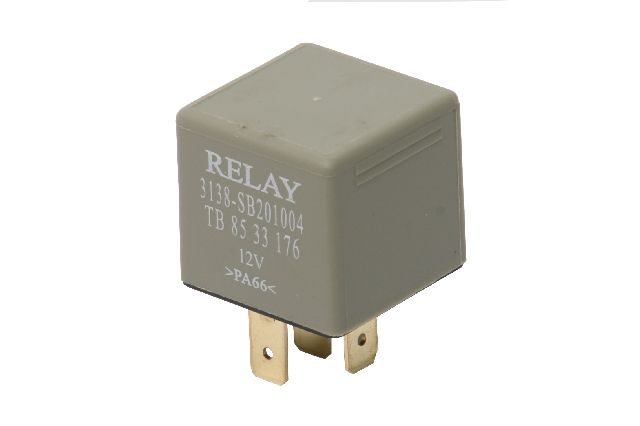
Typically a 4-pin or 5-pin, 12V, 20-40A multi-purpose relay located in the Power Distribution Box.
We Have This Part in Stock


The information in this article is provided for general reference and educational purposes only. Vehicle specifications, procedures, and part compatibility can vary by production date, trim level, and region. Always consult your vehicle's factory service manual and verify part numbers before purchasing or performing repairs. Safety-critical components such as airbags, seat belts, and braking systems should be installed by a qualified professional.
- Ford F-150: