

2002 Lincoln Blackwood Engine Valve Lifter: A Comprehensive Guide
Address ticking noises and restore performance in your Blackwood's unique 5.4L DOHC V8 engine.
- A ticking noise from your Blackwood's 5.4L DOHC engine is a classic sign of a failing valve lifter and should be addressed promptly to avoid further damage.
- This is a labor-intensive repair; always replace all 32 lifters at once to save on future labor costs.
- Use high-quality aftermarket brands like Melling or Sealed Power for reliability comparable to OEM.
- Regularly changing your oil with the correct 5W-20 or 5W-30 grade is the best preventative measure against lifter failure.
Understanding Valve Lifter Issues in Your Blackwood
The 2002 Lincoln Blackwood uses a special 32-valve DOHC version of the Ford 5.4L V8 engine. While these engines are generally robust, lifter problems can arise, often due to age, mileage, or oiling issues. A common symptom is a ticking or tapping noise from the top of the engine, which may be more noticeable on a cold start. This happens when a lifter can't hold oil pressure and collapses, creating a gap in the valvetrain. Ignoring a noisy lifter can lead to more significant engine problems, including reduced power, poor fuel economy, and potential damage to other valvetrain parts like camshafts and rocker arms.
Oil is Key
The health of your Blackwood's valve lifters depends heavily on clean, proper-spec engine oil. The 5.4L engine family is known to be sensitive to oil quality and maintenance schedules. Sludge buildup from infrequent oil changes can clog the small passages that feed the lifters, starving them of oil and causing them to fail. Using the recommended 5W-20 or 5W-30 oil and changing it regularly is the best way to protect your lifters.
Symptoms of a Failing Valve Lifter
A bad valve lifter makes itself known through several signs. Pay attention to these warnings to catch the problem early.
- Ticking or Tapping Noise: The most common sign is a rhythmic ticking sound from the engine's top end that speeds up with RPM. It might be louder when the engine is cold and quiet down as it warms up, or it could be constant.
- Reduced Engine Power: If a lifter is not functioning correctly, the valves won't open and close as they should, leading to a noticeable loss of power and sluggish acceleration.
- Rough Idle: A collapsed lifter can cause the engine to idle poorly or misfire.
- Check Engine Light: A severe lifter issue can cause a misfire bad enough to trigger the check engine light, with codes like P0300 (random misfire) or P0301-P0308 for specific cylinders.
Choosing the Right Aftermarket Lifters
When replacing lifters, you have several aftermarket options. For a specialty vehicle like the Blackwood, choosing a quality part is important. OEM parts can be difficult to find and expensive. High-quality aftermarket parts offer a reliable and affordable alternative.
Tier 1: Premium Aftermarket (Melling, Sealed Power)
Brands like Melling and Sealed Power are well-respected in the automotive industry and often supply parts to OEM manufacturers. They are known for producing high-quality components that meet or exceed original specifications. For the critical 5.4L DOHC engine, these brands are a strong choice for reliability and longevity. User reviews often praise Melling for their quality, noting they are comparable to OEM parts.
Tier 2: Standard Aftermarket (DNJ Engine Components, CRP, DJ Rock)
Brands like DNJ are often seen as budget-friendly options. While some users have had success with DNJ parts in stock, non-performance applications, others consider them to be lower-tier quality. There are reports of these parts being cheaply made and having a shorter lifespan. For a complex DOHC engine, investing in a higher-quality lifter is often recommended to avoid having to do the labor-intensive job a second time.
Pro Tip: Replace in Sets
Because replacing lifters is a labor-intensive job that requires significant engine disassembly, it is highly recommended to replace all 32 lifters at the same time. If one has failed due to age or wear, others are likely to fail soon. This saves you from future repeat repairs.
Replacement Cost
The cost of replacing valve lifters in the 2002 Lincoln Blackwood is primarily driven by labor due to the complexity of accessing the DOHC valvetrain.
| Part/Service | Estimated Cost |
|---|---|
| Shop Labor | $1000 - $2000+ |
| Aftermarket Lifter Set (32) | $500 - $1700 |
| Total Estimated Cost | $1500 - $3700+ |
Frequently Asked Questions
Can I drive my Blackwood with a ticking lifter?
It is not recommended. While the vehicle may still run, a ticking lifter indicates a problem that can quickly worsen. Continued driving can cause severe damage to the camshafts or other engine components, leading to a much more expensive repair.
Is there a recall on the 2002 Lincoln Blackwood for engine lifters?
No, there are no specific recalls or TSBs from the NHTSA related to engine valve lifters for the 2002 Lincoln Blackwood. Existing recalls for this model year concern issues like the speed control system.
Can I use a thicker oil or an additive to quiet a noisy lifter?
While some oil additives claim to quiet noisy lifters, this is a temporary fix at best and does not solve the underlying mechanical problem. A collapsed or clogged lifter needs to be replaced. Using oil that is too thick can also hinder lubrication in the 5.4L engine's small oil passages, potentially causing more harm. It's best to stick with the manufacturer's recommended oil viscosity.
How difficult is it to replace the valve lifters myself?
This is an advanced, difficult repair. Replacing lifters on the 5.4L DOHC engine requires removing the valve covers, timing components, and camshafts. It requires special tools and a deep understanding of engine mechanics to ensure correct timing upon reassembly. For most owners, this job is best left to a professional mechanic.
Technical Specifications
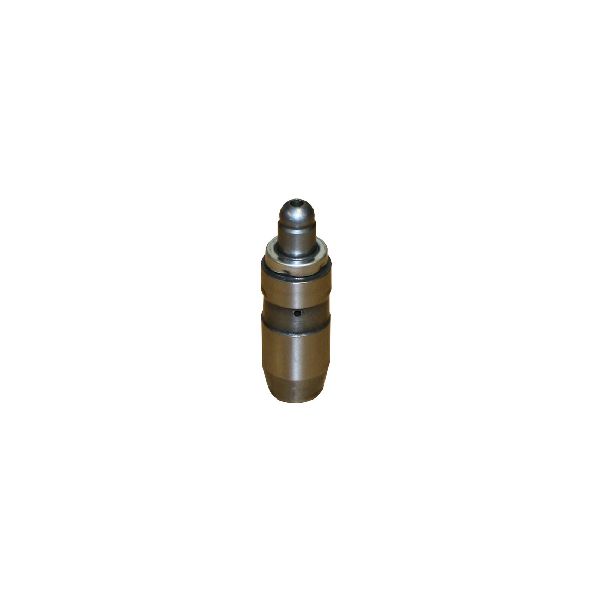
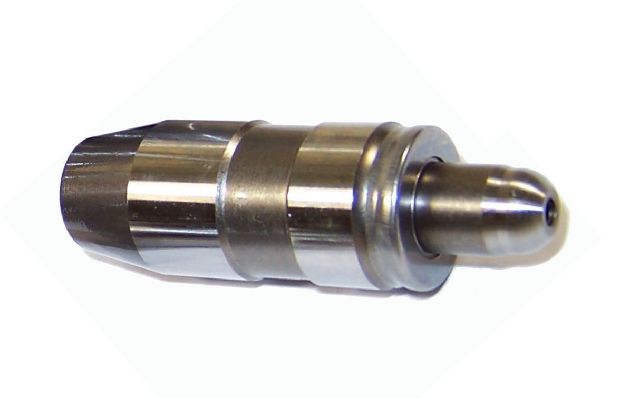
Engine: 5.4L DOHC 32-Valve InTech V8. Lifter Type: Hydraulic Roller Lash Adjuster. Quantity per Engine: 32.
We Have This Part in Stock


The information in this article is provided for general reference and educational purposes only. Vehicle specifications, procedures, and part compatibility can vary by production date, trim level, and region. Always consult your vehicle's factory service manual and verify part numbers before purchasing or performing repairs. Safety-critical components such as airbags, seat belts, and braking systems should be installed by a qualified professional.
- Lincoln Blackwood: