

2002 Ford E-550 Econoline Super Duty Engine Temperature Sensor Replacement Guide
Understanding the critical sensor that reports your E-550's engine temperature to the computer.
- You MUST identify if you have a gas (CHT sensor) or diesel (ECT sensor) engine, as the part and location are different.
- Symptoms like poor fuel economy, black smoke, and overheating are serious and should not be ignored.
- Common trouble codes associated with this failure are P0117 and P0118.
- Replacement on gas engines is difficult due to the sensor being under the intake manifold; professional repair is recommended.
Is it an ECT or CHT Sensor? A Critical Difference for Your 2002 E-550
Before buying a part, you must know which engine your 2002 E-550 has. They use different sensors in different locations.
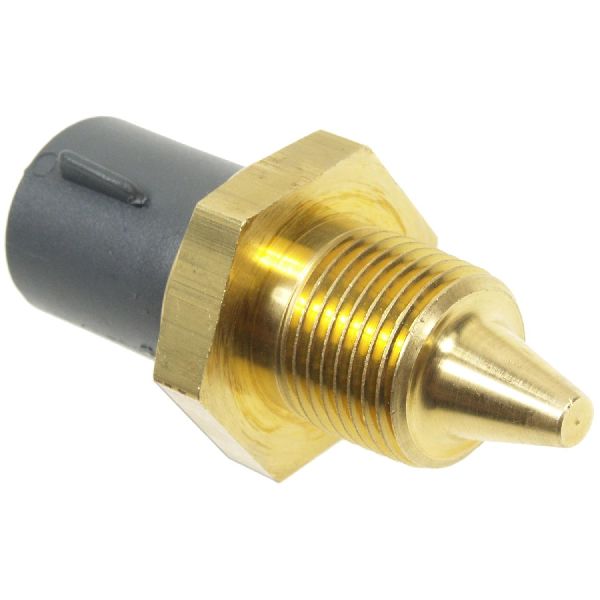
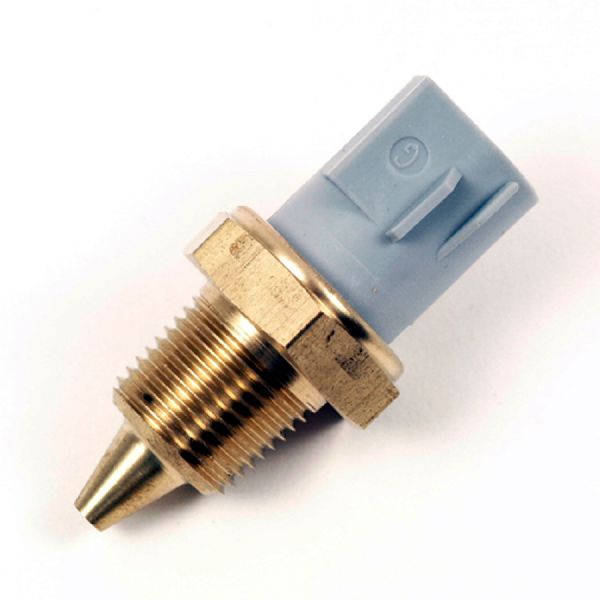
- Gasoline Engines (5.4L V8 & 6.8L V10): These models use a Cylinder Head Temperature (CHT) sensor. It screws directly into the cylinder head metal, not into a coolant passage. It estimates coolant temperature based on the engine's head temperature.
- Diesel Engine (7.3L Power Stroke): This model uses a traditional Engine Coolant Temperature (ECT) sensor. This sensor is submerged in engine coolant to get a direct reading.
While their function is similar, they are not interchangeable and are located in different parts of the engine.
Symptoms of a Failing Temperature Sensor
When the temperature sensor sends incorrect information to the engine computer, it can cause a variety of noticeable problems. The most common sign is the Check Engine Light illuminating on your dashboard. You may get codes such as P0117 (sensor circuit low input) or P0118 (sensor circuit high input). Other major symptoms include:
- Poor Fuel Economy: If the sensor is stuck reading "cold," the computer will inject too much fuel, hurting your MPG.
- Black Smoke from Exhaust: A result of the extra, unburned fuel from a rich mixture being burned in the exhaust.
- Engine Overheating: A bad sensor may fail to trigger the electric cooling fans when needed, causing the engine to overheat.
- Erratic Temperature Gauge: The gauge on your dashboard may behave strangely, reading too hot, too cold, or fluctuating wildly.
- Rough Idle and Poor Performance: The engine may run rough, hesitate, or misfire because the fuel and timing calculations are wrong.
- Hard Starting: The engine may be difficult to start, especially when cold, because the computer isn't providing the correct fuel mixture for a cold engine.
Choosing the Right Aftermarket Sensor
For a simple but critical part like a temperature sensor, a quality aftermarket replacement offers excellent value. However, not all brands are created equal. They can generally be grouped into tiers.
Pro Tip: Given the importance of this sensor for engine performance and the difficult replacement on gas engines, choosing a premium aftermarket brand is a wise investment to avoid premature failure and repeat repairs.
- Premium Aftermarket (e.g., Delphi, Standard Ignition): These brands are often OE suppliers or design their parts to meet or exceed factory specifications. They are known for reliability and accurate readings. Delphi, for example, is noted for its robust one-piece designs that improve durability.
- Standard Aftermarket (e.g., Walker Products, Four Seasons): These brands provide a good balance of quality and value. They are a reliable choice for most repairs and are widely used by professional installers. Forum discussions indicate Walker sensors are a dependable option.
- Economy Aftermarket (e.g., Global Parts, True Tech, Holstein): These are the most budget-friendly options. While they can get the job done, they may not have the same long-term durability or precise calibration as higher-tier brands.
| Part/Service | Estimated Cost |
|---|---|
| New OEM Sensor | $25 - $60 |
| New Aftermarket Sensor | $12 - $57 |
| Shop Labor | $150 - $450 |
Frequently Asked Questions (FAQ)
Where is the temperature sensor located on the 2002 E-550?
The location depends entirely on your engine. For the 5.4L and 6.8L gas engines, the CHT sensor is located under the intake manifold, behind the alternator on the driver's side cylinder head. For the 7.3L Power Stroke diesel engine, the ECT sensor is typically on the front of the engine, often near the water pump or thermostat housing.
Can I replace this sensor myself?
For the 7.3L diesel, it is feasible for a DIYer with moderate experience, though access can be tight. For the 5.4L/6.8L gas engines, replacement is significantly more difficult due to the CHT sensor's location under the intake manifold. It requires removing the alternator at a minimum and is a challenging job for a novice.
Do I need to drain the engine coolant to replace it?
For the 7.3L diesel, yes, you will need to drain at least some of the coolant as the ECT sensor is directly in a coolant passage. For the 5.4L/6.8L gas engines, no, because the CHT sensor is not in contact with coolant. However, you may need to remove coolant hoses to access the intake manifold if you choose that repair path.
Are there any recalls for this part?
No. While there have been recalls for the 2002 Ford E-series chassis, none are specifically for the engine coolant temperature sensor or cylinder head temperature sensor.
Technical Specifications
OEM Part Numbers: 3F1Z-12A648-A DY1144 F65Z-10884-AA SW-5130
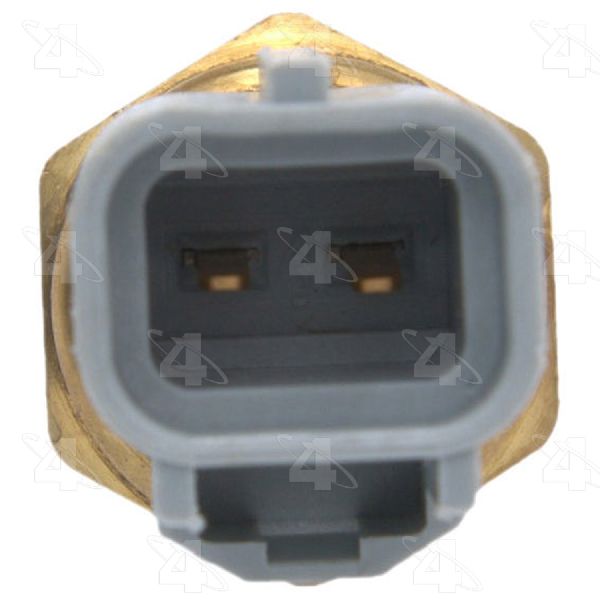
The sensor for the 2002 E-550 is either a Cylinder Head Temperature (CHT) sensor for gas engines (5.4L/6.8L) or an Engine Coolant Temperature (ECT) sensor for diesel engines (7.3L). Both are thermistors that provide a variable resistance signal to the PCM.
We Have This Part in Stock


The information in this article is provided for general reference and educational purposes only. Vehicle specifications, procedures, and part compatibility can vary by production date, trim level, and region. Always consult your vehicle's factory service manual and verify part numbers before purchasing or performing repairs. Safety-critical components such as airbags, seat belts, and braking systems should be installed by a qualified professional.
- Ford E-550 Econoline Super Duty: