

Toyota Highlander Knock Sensor Guide (2001-2019): A Mechanic's View
Understand why replacing the knock sensor on your Highlander is a bigger job than you might think and how to choose the right part.
- The high cost of replacement is due to extensive labor, not the part itself, as the intake manifold must be removed.
- Due to the high labor cost, using high-quality OEM or Denso sensors is strongly recommended to avoid repeat repairs.
- Rodent damage to the wiring harness is a common cause of knock sensor codes and should be inspected first.
- While the sensors are being replaced, it is wise to also replace the wiring harness and nearby coolant hoses.
Is Your Highlander Showing These Signs?

A failing knock sensor isn't always obvious, but some signs point to a problem. The most common is a Check Engine Light on your dashboard. You might also notice your Highlander feels sluggish, especially when going up hills, and gets worse gas mileage. In some cases, you might hear a metallic pinging or knocking sound from the engine, especially under load. The computer will store trouble codes, most commonly P0325 and P0330, which point directly to a fault in the knock sensor circuits.
A Common Misdiagnosis: Check the Wires First!
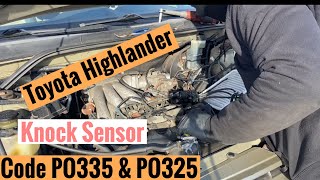
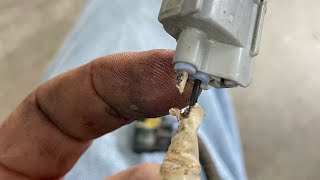
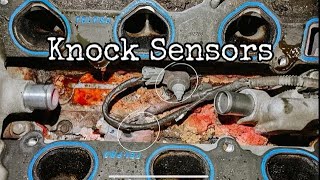
Before you assume the sensor has failed, it's critical to check the wiring harness. The knock sensors on V6 Highlanders are located in the valley between the cylinder heads, under the intake manifold. This warm, protected area is a common place for rodents to build nests and chew on wires. A chewed wire will trigger the same error codes as a failed sensor, so a thorough inspection can save you from replacing a perfectly good part.
The Big Decision: Aftermarket vs. OEM Sensors

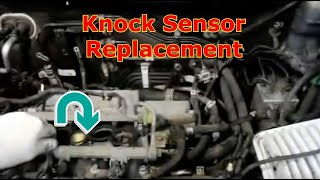
Here’s the most important thing to know: replacing the knock sensors on a V6 Toyota Highlander is a very labor-intensive job. A mechanic has to remove the upper and lower intake manifolds just to access them. This means the labor cost will be a huge part of the total repair bill, often costing hundreds of dollars.
Because the job is so difficult, you don't want to do it twice. Many mechanics and experienced owners strongly recommend using Original Equipment Manufacturer (OEM) or high-quality Denso brand sensors (Denso is often the original supplier for Toyota). While budget-friendly aftermarket sensors are available, there are reports of them failing quickly, forcing you to pay for that expensive labor all over again. If the cost of an aftermarket part seems too good to be true, it probably is for this specific repair.
Pro Tip: While the engine is taken apart to access the knock sensors, it's a smart and cost-effective move to replace other parts in that area. This includes the knock sensor wiring harness (which often becomes brittle), coolant hoses under the manifold, and intake manifold gaskets. This preventative maintenance can save you from another expensive repair down the road.
Cost to Replace a Highlander Knock Sensor

The cost is high primarily due to the labor involved. The parts themselves are not the most expensive component of this repair.
| Part/Service | Estimated Cost |
|---|---|
| New OEM Knock Sensor (Each) | $135 - $200 |
| New Aftermarket Knock Sensor (Each) | $27 - $75 |
| Shop Labor | $594 - $872 |
| Total Estimated Repair | $743 - $1,371+ |
Frequently Asked Questions

Where are the knock sensors located on my Highlander?
On V6 models, the two knock sensors are buried deep in the engine valley, between the two cylinder heads and underneath the entire intake manifold assembly. On 4-cylinder models, the single sensor is on the back of the engine block, which also requires removing the intake manifold to access. This location is the reason replacement is so labor-intensive.
Why is the replacement so expensive?
The high cost comes almost entirely from the labor. A mechanic needs to spend several hours carefully disassembling the top part of the engine, including the air intake, throttle body, and upper and lower intake manifolds, just to reach the sensors. The reassembly process is just as long. The part cost is minor compared to the time it takes to do the job correctly.
My mechanic found chewed wires. What now?
If rodent damage is the cause, the wiring harness needs to be repaired or replaced. Since accessing the harness requires the same amount of labor as replacing the sensors, many owners choose to replace the sensors and the harness at the same time as a precaution. This avoids having to open the engine up again if a sensor fails later.
Are there any recalls for the knock sensor?
As of now, there are no specific recalls issued by Toyota or the NHTSA for knock sensor failure on the 2001-2019 Highlander. Most failures are due to age, heat cycles, or external factors like rodent damage.
Helpful Videos
Technical Specifications
OEM Part Numbers: 89615-12090 89615-06010 89615-20090
V6 engines in the 2001-2019 Highlander typically use two knock sensors. They are piezoelectric sensors that generate an AC voltage signal in response to engine block vibrations. The sensors are located under the intake manifold in the engine valley.

The information in this article is provided for general reference and educational purposes only. Vehicle specifications, procedures, and part compatibility can vary by production date, trim level, and region. Always consult your vehicle's factory service manual and verify part numbers before purchasing or performing repairs. Safety-critical components such as airbags, seat belts, and braking systems should be installed by a qualified professional.
- Toyota Highlander: