

Ford Escape Automatic Transmission Oil Cooler Failures and Replacement Guide (2001-2019)
Don't let a failed transmission cooler destroy the transmission in your Ford Escape.
- Identify your Escape's generation (2001-07, 2008-12, 2013-19) as the cooler design and failure mode are completely different.
- For 2013-2019 models, check fluids for cross-contamination (milky appearance), which indicates a critical internal cooler failure.
- For 2008-2012 models, replacement requires professional A/C system service.
- If replacing a failed transmission, you MUST also replace the cooler to prevent debris from damaging the new unit.
Understanding Your Escape's Transmission Cooler

Heat is the biggest enemy of your Ford Escape's automatic transmission. The transmission oil cooler's only job is to remove that heat. When it fails, the results can range from leaks to a completely destroyed transmission. The type of cooler and its common problems depend entirely on your Escape's generation.
Generation Differences Are Critical
It is extremely important to know which generation of Escape you own, as the coolers are completely different.
- 1st Gen (2001-2007): These models often used the CD4E transmission, which had its own set of reliability issues. The cooler is typically a traditional air-to-oil unit located in front of the radiator or a chamber inside the radiator itself. Failure usually involves leaks from the cooler or its lines.
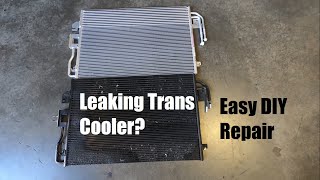
- 2nd Gen (2008-2012): Ford switched to a combination A/C condenser and transmission cooler assembly. The top portion of this part cools the transmission fluid. These are known to leak from the factory welds, and a Technical Service Bulletin (TSB) was issued for this problem. Replacing this part requires a professional to evacuate and recharge the A/C system.
- 3rd Gen (2013-2019): This generation uses a completely different liquid-to-liquid cooler bolted directly to the top of the 6F35 transmission. It uses engine coolant to cool the transmission fluid. The major flaw here is internal failure, which causes coolant and transmission fluid to mix. This creates a "strawberry milkshake" sludge that destroys the transmission and contaminates the engine's cooling system, leading to catastrophic and expensive repairs.
Symptoms of a Failing Transmission Cooler

Watch for these signs. Ignoring them can lead to much bigger problems.
- Transmission Overheating Warning: A message like "Transmission Hot Wait 5 Minutes" is a direct sign the system isn't cooling properly. This can be due to low fluid, a blocked cooler, or internal transmission damage.
- Fluid Leaks: Puddles of reddish or brown fluid under your car are a clear warning. On 2nd Gen models, you may see wetness on the front of the A/C condenser.
- Poor or Erratic Shifting: If your Escape shudders, jerks, slips between gears, or has delayed shifts, it's a serious symptom. This often means the transmission is already damaged from overheating.
- Contaminated Fluids (3rd Gen): If the fluid on your transmission dipstick looks milky, pink, and frothy, or if you find a thick, sludgy substance in your coolant reservoir, the cooler has failed internally. Stop driving immediately to prevent further damage.
Choosing the Right Aftermarket Cooler

When replacing a failed cooler, you have several options. For this part, aftermarket quality is often as good or even better than the original, especially with brands that use improved designs or materials.
Pro Tip: If your transmission has failed and is being replaced, you MUST also replace the transmission cooler. Metal debris from the old transmission will contaminate the new unit and cause it to fail quickly.
Brand Tiers
- Good (Value-Oriented): Brands like Dorman, Four Seasons, and Global Parts offer direct-fit replacements that meet original specifications. They are a cost-effective solution for a daily driver and are widely available.
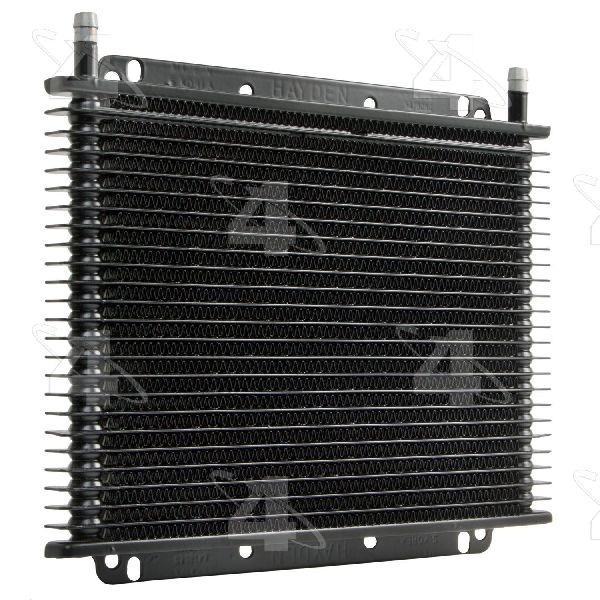
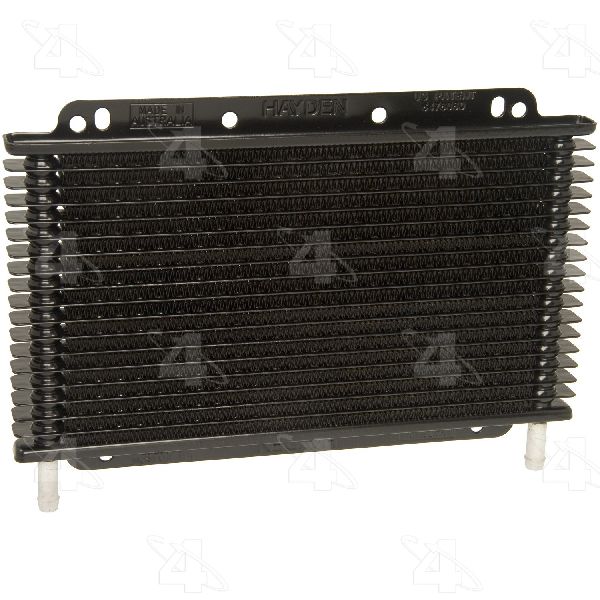
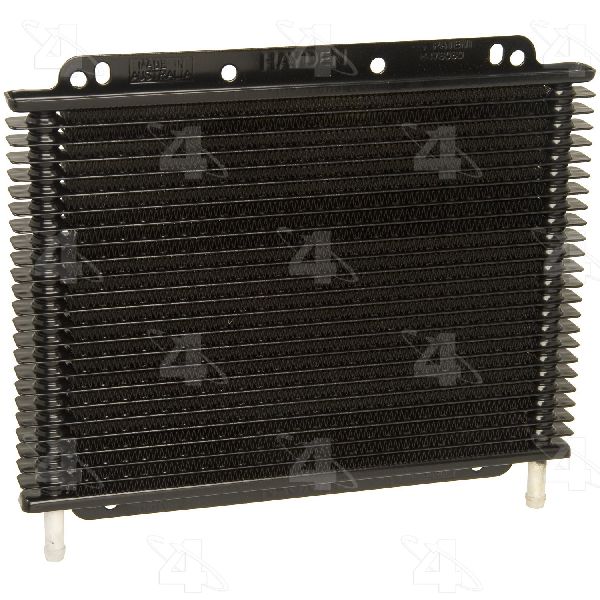
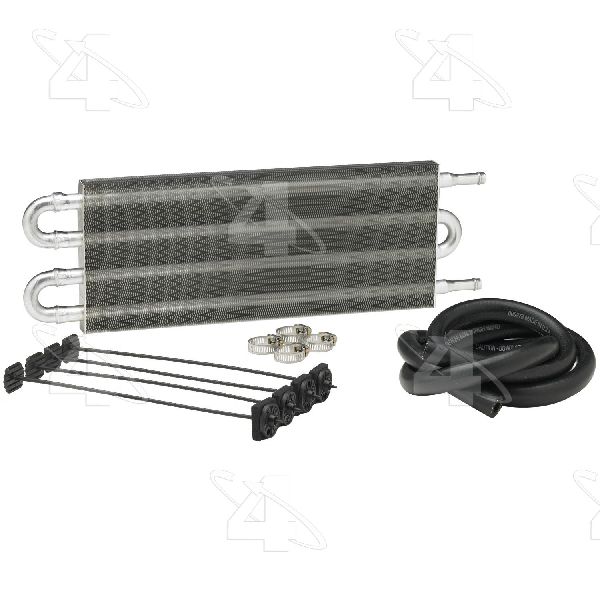
- Better (Enhanced Durability): Hayden is a well-regarded brand known for reliable, long-lasting coolers. They are a solid choice for owners looking for a step up from standard replacements.
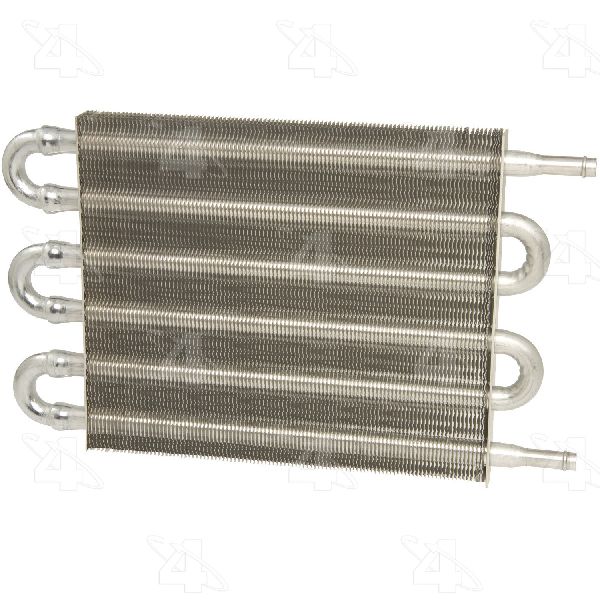
- Best (High Performance/Heavy Duty): Brands like Derale and CSF are known for high-performance cooling. CSF often uses all-aluminum construction, which is more durable than the OEM parts that use plastic. Derale offers various cooler types, including plate-and-fin designs that are more efficient than basic tube-and-fin models. These are excellent choices if you tow with your Escape or want the most robust cooling possible.
| Part/Service | Estimated Cost |
|---|---|
| New Aftermarket Cooler | $52 - $194 |
| Shop Labor | $200 - $700 |
| Total Estimated Cost | $252 - $894 |
Note: Labor costs vary significantly by Escape generation. 2nd Gen models require A/C service, and 3rd Gen models may require extensive fluid flushes if cross-contamination has occurred, increasing the cost.
Frequently Asked Questions
Can I still drive with a leaking transmission cooler?
It is not recommended. A small leak can quickly become a large one, leading to low fluid levels and transmission overheating. If it's a 3rd Gen model with an internal leak, you risk destroying both the transmission and engine cooling system. It's best to get it repaired immediately.
Is there a recall on the Ford Escape transmission cooler?
There are no direct recalls for the cooler itself, but there is a Technical Service Bulletin (TSB) for failures on 2008-2012 models. There is also a critical safety recall (22V-413) for the shifter cable bushing on 2013-2019 models that can cause the vehicle to roll away. You should ensure this recall has been performed on your vehicle.
Should I add an auxiliary cooler to my Escape?
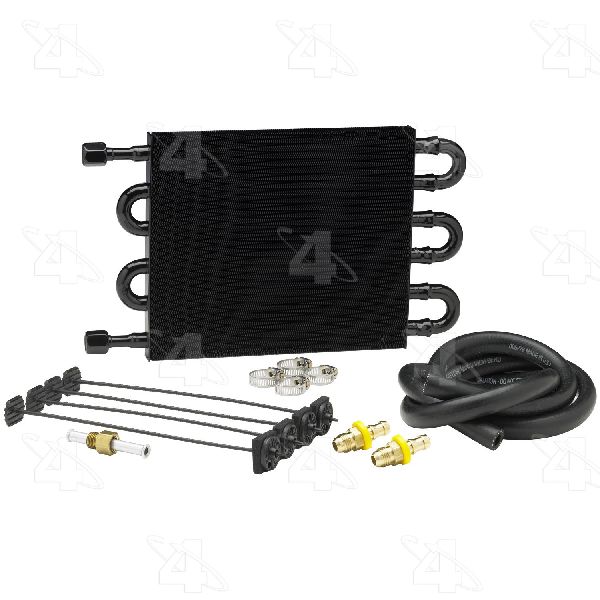
If you tow a trailer or live in a very hot climate, adding a small auxiliary cooler from a brand like Hayden or Derale is a great way to protect your transmission. It works in addition to your factory cooler to provide extra cooling capacity and extend the life of your transmission.
What is the difference between a plate-fin and a tube-fin cooler?
Tube-fin coolers are the simplest design. Plate-fin coolers are generally more efficient and durable, offering better heat transfer in a compact size. For a heavy-duty or performance upgrade, a plate-fin cooler is the superior choice.
Helpful Videos
Technical Specifications
OEM Part Numbers: 8L8Z-7A095-A 8L8Z-7A095-B CV6Z-7A095-A CV6Z-7A095-B
Configuration varies by year: Gen 1 is typically radiator-integrated or a standalone air-to-oil cooler. Gen 2 (2008-2012) is an integrated assembly with the A/C condenser. Gen 3 (2013-2019) is a liquid-to-liquid cooler mounted on the transmission.
We Have This Part in Stock

The information in this article is provided for general reference and educational purposes only. Vehicle specifications, procedures, and part compatibility can vary by production date, trim level, and region. Always consult your vehicle's factory service manual and verify part numbers before purchasing or performing repairs. Safety-critical components such as airbags, seat belts, and braking systems should be installed by a qualified professional.
- Ford Escape: