

A Toyota Prius Owner's Guide to Fuel Injector Replacement (2001-2016)
Understanding the signs of a failing fuel injector and how to choose the right replacement for your Prius.
- Misfire codes (P030X) and a cold-start rattle are classic signs of a failing injector in a Prius.
- For 2010-2015 models, always check the EGR system for clogs before assuming the injectors are bad.
- Replacing injectors as a full set is recommended for balanced performance and long-term reliability.
- High-quality aftermarket brands like Beck Arnley offer a reliable, cost-effective alternative to expensive OEM parts.
Is Your Prius Running Rough? It Could Be a Fuel Injector


A failing fuel injector is a common issue that can cause a range of problems in your 2001-2016 Toyota Prius. Symptoms often start small but can become more serious, affecting your car's performance and fuel efficiency. The most common signs include a rough idle, engine hesitation when you accelerate, and a noticeable drop in gas mileage. You may also experience the check engine light coming on with misfire codes.
Symptoms of a Bad Fuel Injector in a Prius
- Rough Idle: The engine shakes or vibrates more than usual when the car is stopped.
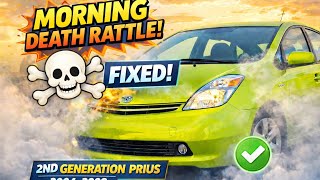
- Engine Misfires: You may feel a shudder or hesitation from the engine, especially during acceleration. This is often more noticeable on a cold start, sometimes called a "death rattle" by owners.
- Check Engine Light: Misfire codes like P0300 (random misfire) or P0301-P0304 (misfire on a specific cylinder) are very common.
- Poor Fuel Economy: A leaking or clogged injector disrupts the precise fuel delivery, causing your MPG to drop.
- Fuel Smell: In some cases, a leaking injector o-ring or a stuck-open injector can cause a raw fuel smell inside or outside the car.
A Special Note for 2010-2015 (Gen 3) Prius Owners
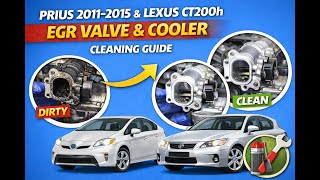
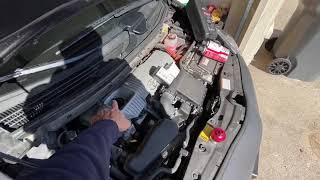
While the symptoms above point to fuel injectors, Gen 3 models have a well-known issue with the Exhaust Gas Recirculation (EGR) system. A clogged EGR cooler and intake manifold passages can cause identical symptoms, including a cold-start rattle and misfire codes (P0301-P0304). It is critical to have the EGR system inspected before replacing the fuel injectors, as a simple cleaning may solve the problem 🎬 Watch: How to clean the Gen 3 EGR valve and cooler. without the cost of new injectors.
Choosing the Right Aftermarket Fuel Injector
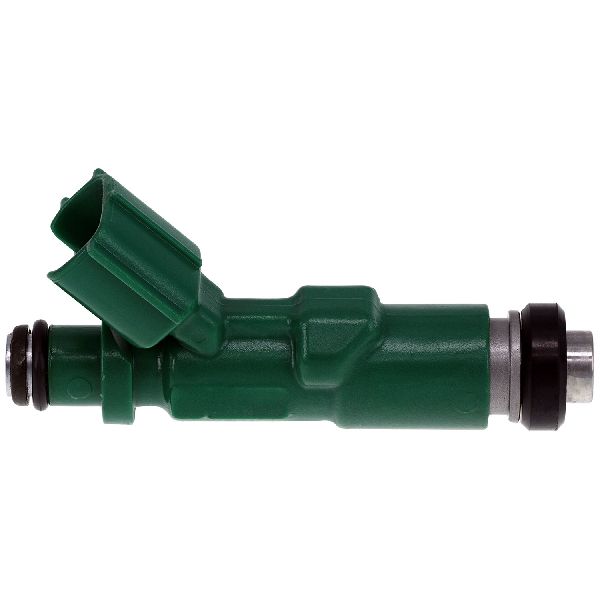
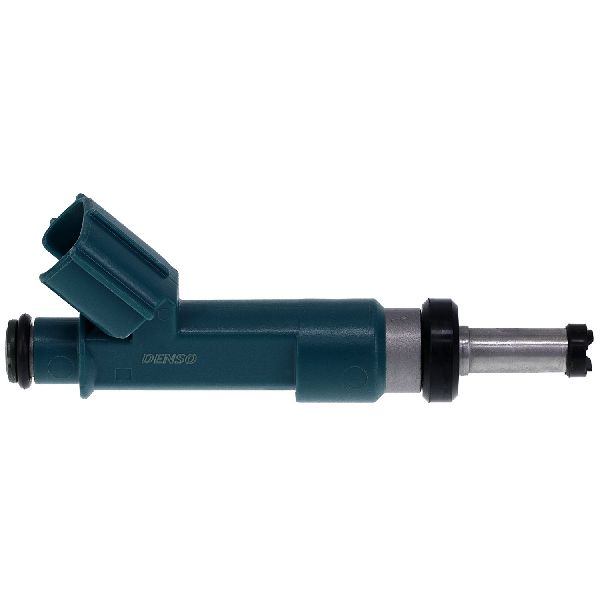
When it's time to replace an injector, you have options. While the Toyota dealership can provide an Original Equipment (OE) part, they are often expensive. High-quality aftermarket injectors can provide the same performance and reliability for a fraction of the cost. Aftermarket brands fall into different tiers:
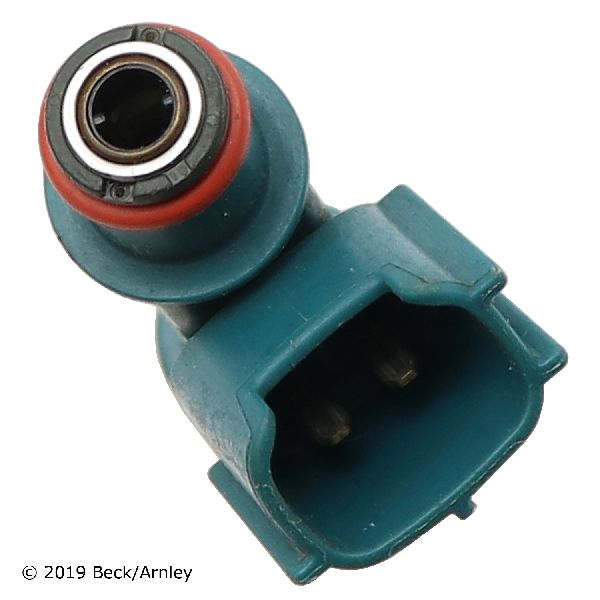
- Premium Aftermarket (e.g., Beck Arnley): Brands like Beck Arnley specialize in parts for import vehicles. They often source their components from the same manufacturers that supply Toyota, ensuring a precise fit and correct performance. This is a reliable choice for owners who want OE quality without the OE price.
- Standard Aftermarket (e.g., Standard Ignition, GBR Fuel Injection): These brands offer a balance of quality and value. Standard Motor Products (SMP) is known for its extensive testing. These parts are a solid choice for a daily driver and meet or exceed the original specifications.
- Economy: While the lowest price is tempting, ultra-cheap injectors can have inconsistent spray patterns or shorter lifespans. For a component as critical as a fuel injector, it's often worth spending a little more for a part from a reputable manufacturer with a good warranty.
| Part Type | Estimated Cost (Per Set of 4) |
|---|---|
| New OEM (Dealer) | $800 - $1100 |
| New Aftermarket | $220 - $1000 |
| Remanufactured OEM | $200 - $400 |
| Shop Labor | $400 - $600 |
Frequently Asked Questions (FAQ)
Are there any recalls for Prius fuel injectors?
No. As of early 2026, there have been no official NHTSA recalls specifically for the fuel injectors on any 2001-2016 Toyota Prius models. There have been recalls for fuel pumps on other Toyota models and for other components on the Prius, but not the injectors themselves.
Can I clean my fuel injectors instead of replacing them?
Using a quality fuel injector cleaner additive in your gas tank every few thousand miles can help prevent deposit buildup. However, if an injector is already clogged, leaking, or has an internal electrical failure, a bottled cleaner will not fix it. A professional off-car cleaning service can sometimes restore clogged injectors, but if the injector's internal coil has failed (which can be checked with a resistance test), it must be replaced.
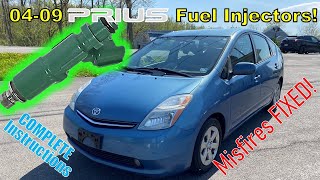
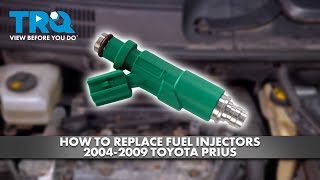
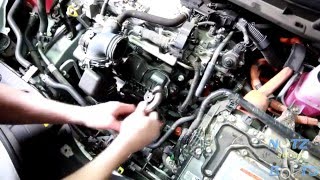
Is this a difficult DIY job? 🎬 Watch this step-by-step fuel injector replacement for 2004-2009 models.
For a moderately experienced DIY mechanic, this job is manageable. It requires removing the airbox and other components to access the fuel rail. The most critical steps are properly lubricating the new injector 🎬 See a professional walkthrough of the 2010 Prius injector replacement. o-rings to prevent damage during installation and checking for fuel leaks after the job is done. If you are not comfortable working with the fuel system, it is best to leave this job to a professional.
Do I need special tools to replace a fuel injector?
You will need basic hand tools like a ratchet, sockets (10mm and 12mm are common), and pliers. A torque wrench is recommended for tightening the fuel rail bolts to the correct specification. It's also very important to have rags handy to catch any spilled fuel and to clean the area around the injectors before removing them to prevent dirt from falling into the engine.
Helpful Videos
Technical Specifications
OEM Part Numbers: 23209-21020 23250-21020 23209-39145
For 2010+ models, the injector resistance should be between 11.6 to 12.4 Ω at 68°F (20°C). For 2001-2003 models, the expected resistance is 13.4 to 14.2 Ω. Always verify the part number fits your specific year and model before ordering.
We Have This Part in Stock


The information in this article is provided for general reference and educational purposes only. Vehicle specifications, procedures, and part compatibility can vary by production date, trim level, and region. Always consult your vehicle's factory service manual and verify part numbers before purchasing or performing repairs. Safety-critical components such as airbags, seat belts, and braking systems should be installed by a qualified professional.
- Toyota Prius: