

A Guide to the Starter Motor for the 2001-2013 Hyundai Santa Fe
Don't get stranded by a no-start problem; here is what you need to know about your Santa Fe's starter motor.
- The most common symptom of failure is a clicking sound without the engine cranking.
- Always test the battery and check connections first, as they can cause similar symptoms.
- Replacement is easier on V6 models (from below) and harder on 2.4L 4-cylinder models (requiring intake manifold removal).
- Check for and repair any engine oil leaks above the starter to prevent premature failure of the new part.
Is Your Santa Fe's Starter Failing?

A failing starter rarely dies without warning. For 2001-2013 Santa Fe owners, the signs are usually clear. Being able to recognize them can prevent you from being stranded. The most common symptom is a distinct 'click' sound when you turn the key, but the engine doesn't turn over. This can be a single click or a series of rapid clicks.
Other signs include:
- Slow Cranking: The engine turns over much slower than usual, as if the battery is weak.
- Intermittent Starting: The vehicle starts fine sometimes and fails to start at other times.
- Grinding Noise: A grinding sound during or after starting can indicate the starter gear is not engaging properly with the engine's flywheel.
- No Sound or Action: You turn the key and nothing happens at all; no click, no crank, and no dashboard lights dimming.
- Smoke or Burning Smell: In severe cases, the starter can overheat from trying to start the engine, leading to smoke or a burning plastic smell.
First, Check Your Battery
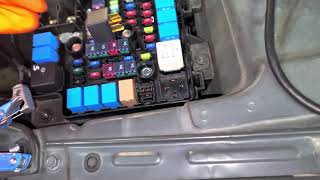
Many starter failure symptoms—like clicking or slow cranking—can also be caused by a weak or dead battery, or corroded battery terminals. Before replacing the starter, always have your battery load-tested and check the cable connections to ensure they are clean and tight.
Choosing the Right Aftermarket Starter

When shopping for a replacement starter for your Santa Fe, you'll encounter OEM and aftermarket options. For a vehicle in this age range, a quality aftermarket part offers a great balance of performance and value.
- New Aftermarket Starters: Brands like ACDelco often offer new starters made to meet or exceed original specifications. These parts contain 100% new components and have not been previously used. They can be a good choice for peace of mind and longevity.
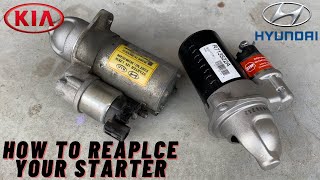
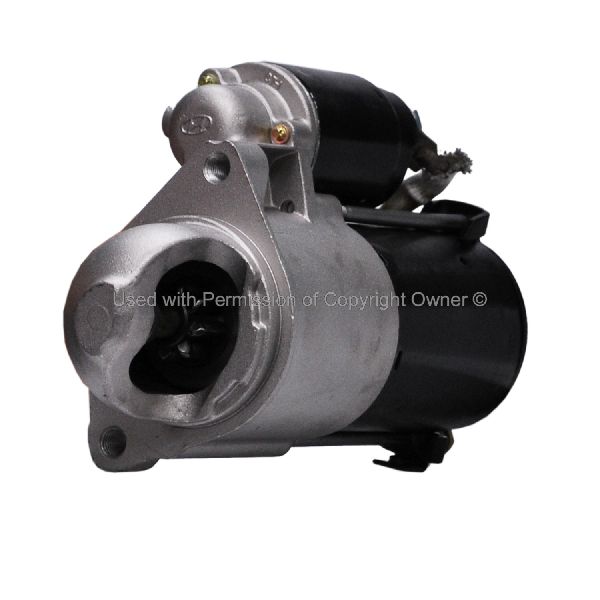
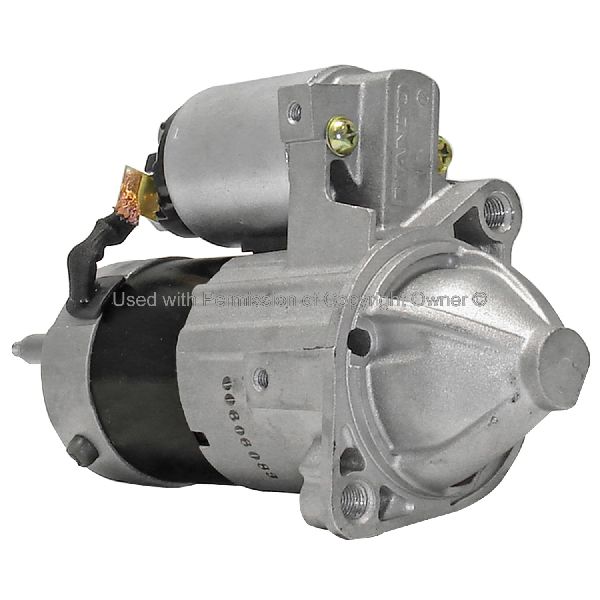
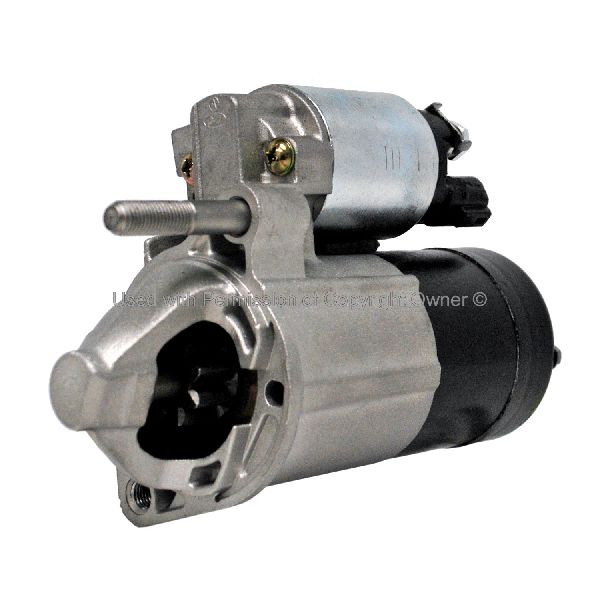
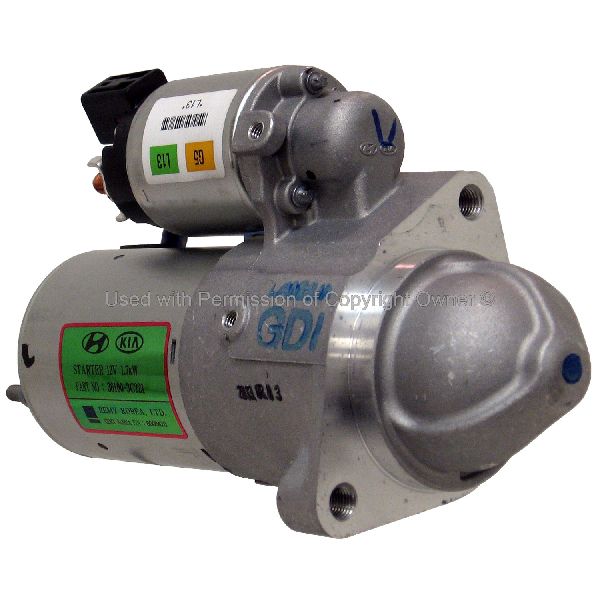
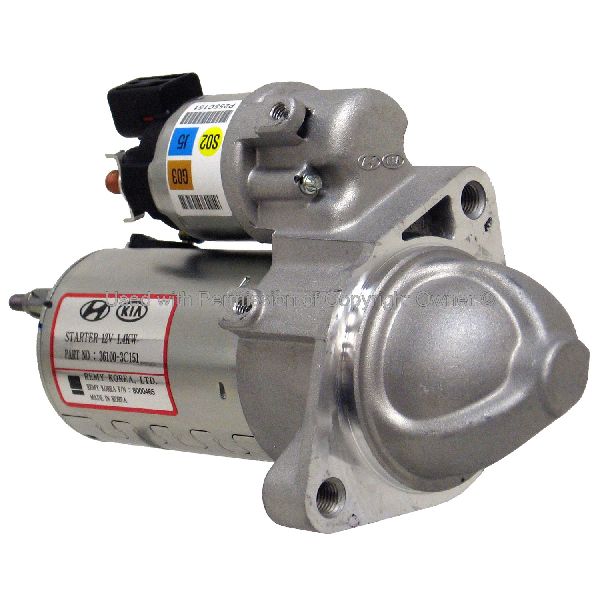
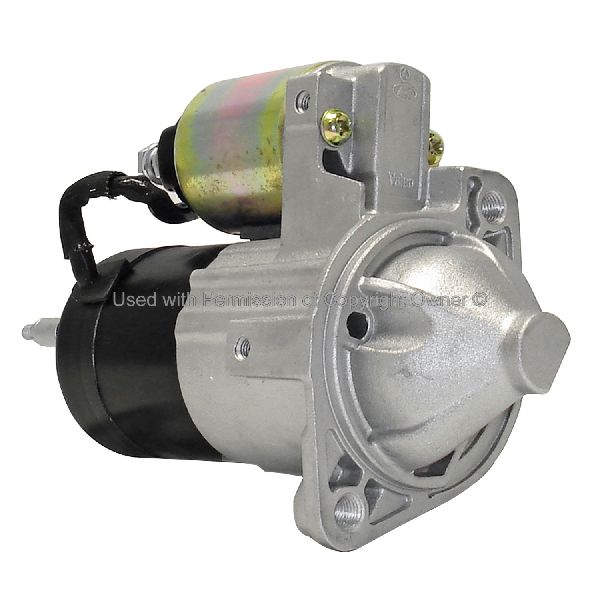
- Remanufactured Aftermarket Starters: Brands like MPA are major suppliers of remanufactured parts. These starters are original units that have been rebuilt, with wearable parts like brushes, bearings, and solenoids replaced. A quality remanufactured starter from a reputable company can perform just as well as a new one and is often a more budget-friendly option.
Both ACDelco and MPA are established names in the aftermarket industry. The choice between a new or remanufactured unit often comes down to budget and warranty. Both can be reliable choices for your Santa Fe.
Known Issues for the 2001-2013 Hyundai Santa Fe

While there are no specific recalls or Technical Service Bulletins (TSBs) for the starter motor on the 2001-2013 Santa Fe, mechanics and owners have noted one common issue. Oil leaks from valve cover gaskets or other components higher up on the engine can drip down onto the starter motor. This oil saturation can damage the starter's internal electronics and lead to premature failure. When replacing your starter, it's a good idea to inspect the area above it for any oil leaks and address them to protect your new part.
| Part Type | Estimated Cost |
|---|---|
| New Aftermarket | $58.35 - $278.31 |
| Shop Labor | $107 - $158 |
| Total Professional Replacement (Aftermarket) | $165.35 - $436.31 |
| New OEM | $313 - $411 |
Frequently Asked Questions

Is it hard to replace the starter on a 2001-2013 Santa Fe?
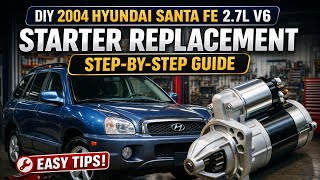
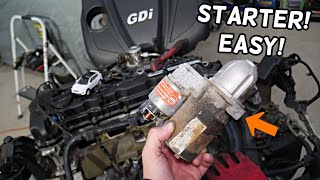
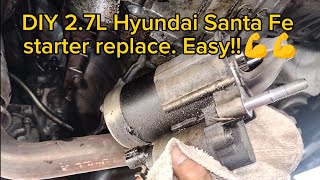
The difficulty depends on your engine. For V6 models (2.7L and 3.5L), the starter is typically located on the lower front of the engine and can be accessed from underneath the vehicle. It usually requires removing a splash shield and sometimes a heat shield, but is considered a manageable DIY job for someone with mechanical experience. For the 2.4L 4-cylinder engine, the starter is located under the intake manifold, which must be removed for access. This makes the job more complex and time-consuming.
Where is the starter located?
On the 2.7L and 3.5L V6 engines, look at the front of the vehicle, underneath, where the engine meets the transmission. It's often near the oil pan and exhaust pipe. On the 2.4L 4-cylinder engine, it is on top of the transmission, underneath the plastic intake manifold.
Can I drive with a failing starter?
No. While the car runs fine once started, a failing starter is unreliable. Each time you turn the engine off, you risk being unable to start it again. This can leave you stranded without warning. It is critical to replace a failing starter as soon as symptoms appear.
Is there a recall on the 2001-2013 Santa Fe starter?
No, there are no starter-related recalls or TSBs for the 2001-2013 Hyundai Santa Fe. Recent recalls you may have heard about are for the 2024-2025 models and do not apply to this generation.
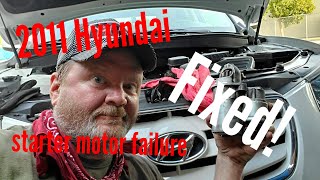
Helpful Videos

Technical Specifications
OEM Part Numbers: 36100-37210 36100-2G200 36100-3C151 17764 410-46003
12 Volt, Clockwise Rotation, 1.2kW - 1.4kW Power, 8-Tooth Pinion Gear (V6 models). Specifications may vary by engine and model year.
We Have This Part in Stock

The information in this article is provided for general reference and educational purposes only. Vehicle specifications, procedures, and part compatibility can vary by production date, trim level, and region. Always consult your vehicle's factory service manual and verify part numbers before purchasing or performing repairs. Safety-critical components such as airbags, seat belts, and braking systems should be installed by a qualified professional.
- Hyundai Santa Fe: