

Hyundai Elantra Engine Mount Guide for 2001-2013 Models
If your Elantra is vibrating or making clunking noises, a bad engine mount is the likely cause.
- Excessive vibration at idle and clunking noises are the top signs of a bad engine mount on your Elantra.
- Continuing to drive with a broken mount can damage other parts like hoses and exhaust components.
- For a daily driver, standard aftermarket brands like Anchor or Westar offer a good balance of quality and price.
- Replacing just the broken mount is possible, but inspecting all mounts and replacing them as a set is often wise for high-mileage cars.
Symptoms of a Failing Engine Mount in a Hyundai Elantra

When an engine mount goes bad, the signs are usually easy to notice. The rubber or hydraulic fluid inside the mount wears out over time from heat and stress. This prevents it from absorbing engine vibrations or holding the engine securely.
- Excessive Vibration: This is the most common symptom. You might feel a strong vibration through the steering wheel, dashboard, or your seat, especially when the car is idling at a stoplight.
- Clunking or Banging Noises: Loud clunks or thuds from the engine bay when you accelerate, decelerate, or shift gears are a serious sign. This noise is the sound of the engine moving and hitting other parts because the mount is no longer holding it steady.
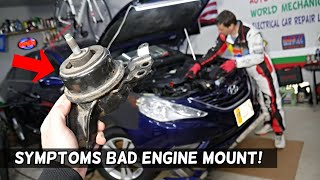
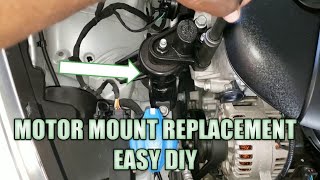
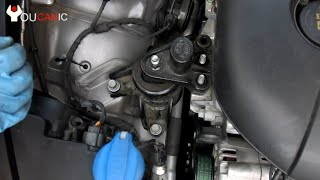
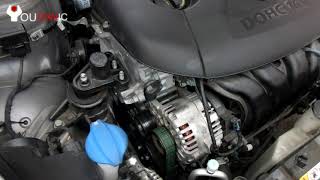
- Engine Movement: You might feel the engine lurch when you start the car or shift gears. In severe cases, you can open the hood, have a helper shift the car from drive to reverse (with the brake firmly applied), and see the engine move excessively. 🎬 Watch: See a real demonstration of engine movement symptoms.
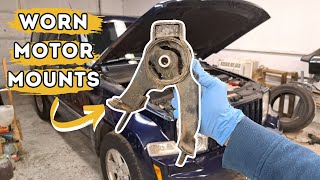
- Visual Damage: If you inspect the mounts, you might see cracked, torn, or crumbling rubber. Some mounts are filled with fluid and may show signs of leaking.
Why You Shouldn't Wait
Ignoring a failed engine mount can lead to bigger problems. Constant engine movement can damage other parts like radiator hoses, exhaust pipes, and wiring. In extreme cases, it can make the car feel unstable and unsafe to drive.
Choosing the Right Aftermarket Engine Mount

When replacing a mount on your 2001-2013 Elantra, you have a choice between original equipment (OEM) from a dealer and aftermarket parts. For a vehicle of this age, aftermarket mounts offer a great balance of quality and price.
However, not all aftermarket brands are created equal. Based on mechanic and owner feedback, here’s a breakdown of what to look for:
- Premium Aftermarket (Beck Arnley, Corteco): These brands often supply parts to vehicle manufacturers or specialize in matching OEM quality. Beck Arnley is known for sourcing parts that meet original specifications, and Corteco is a respected name for rubber and vibration control components. They are a solid choice if you want OEM-like performance and longevity without the dealer price tag.
- Standard Aftermarket (Anchor, Westar): These are popular, widely available brands that offer a good value. They are designed to meet OE standards and are a reliable choice for daily driving. For many Elantra owners, these brands provide a perfectly acceptable repair at a lower cost.
- Economy Aftermarket (DEA): These are often the most budget-friendly option. While they will fix the immediate problem, some user reviews suggest they may use harder rubber, which can lead to more cabin vibration compared to OEM or premium brands. They might also have a shorter lifespan.
Pro Tip: Replace in Sets?
Your Elantra has multiple engine mounts (typically three or four). When one fails, the others have been under extra stress. While you can replace just the one broken mount, if your car has high mileage, it's often a good idea to consider replacing the others at the same time or inspecting them very carefully. Kits containing all the mounts are available and can be cost-effective.
Frequently Asked Questions (FAQ)

How many engine mounts does my 2001-2013 Elantra have?
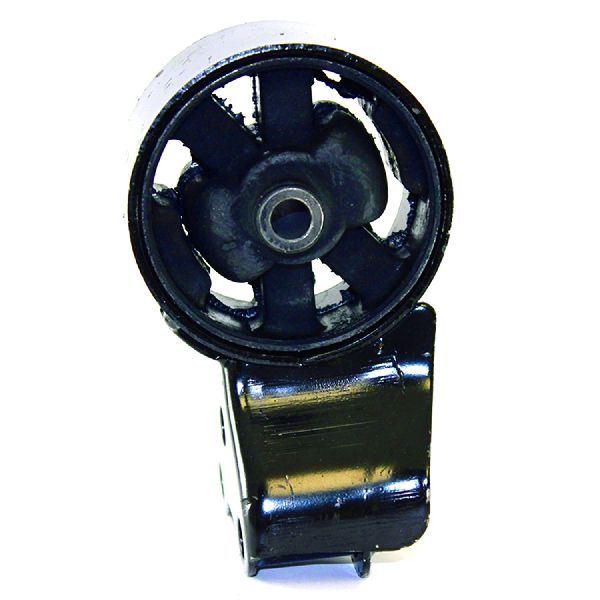
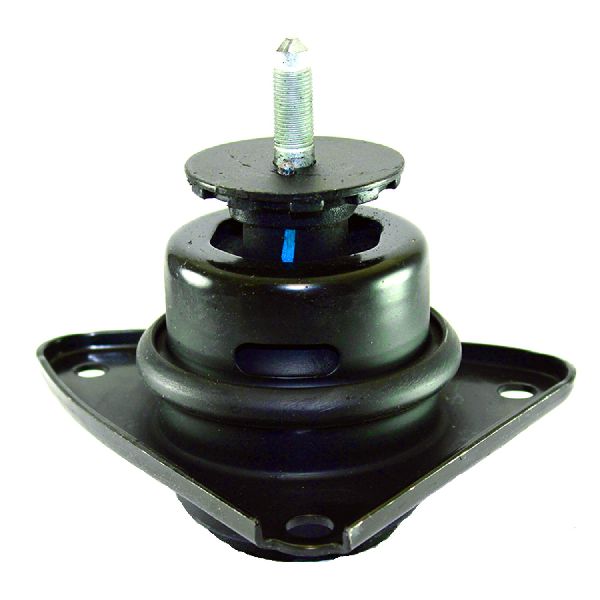
Most front-wheel-drive cars like the Elantra have three or four mounts. This typically includes a passenger-side mount, a transmission mount (driver's side), and one or two lower mounts (often called torque struts or dog bone mounts) to control engine rocking.
Which mount fails most often on the Elantra?
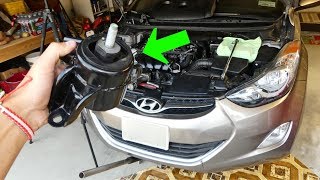
The passenger-side mount, which supports a significant portion of the engine's weight, and the lower torque strut mount are common failure points. 🎬 Watch: How to replace the mount on 2011-2016 Elantras. The lower mount, in particular, works hard to prevent the engine from rocking during acceleration.
Is there a recall on engine mounts for the 2001-2013 Elantra?
No. Searches of the National Highway Traffic Safety Administration (NHTSA) database did not show any safety recalls specifically for engine mounts on the 2001-2013 Hyundai Elantra. Any recalls found were for different issues or different model years.
Can I use a mount from a different Elantra generation?
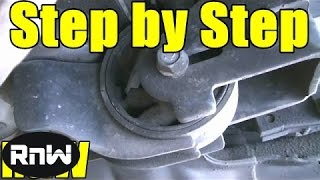
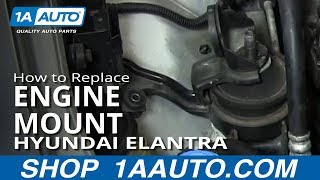
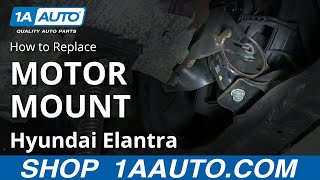
No. The 2001-2013 timeframe covers three different Elantra generations 🎬 See this step-by-step replacement guide for 2001-2006 models. (XD, HD, MD). Engine mounts are specific to the vehicle's generation, engine size, and sometimes even the transmission type (automatic vs. manual). Always use the part designed for your exact year and model.
Helpful Videos
Technical Specifications
OEM Part Numbers: 21810-2H000 21810-2L000 21930-2H050 21830-2D000 21810-2D100
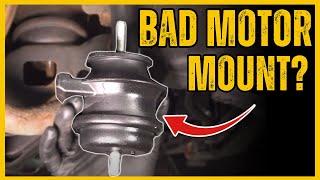
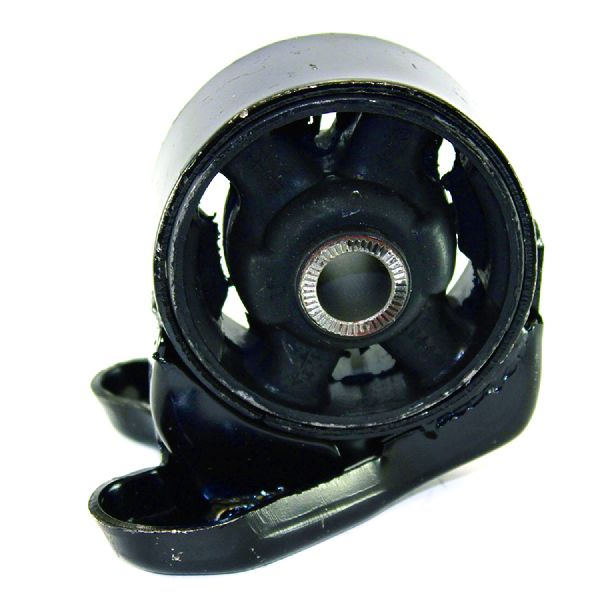
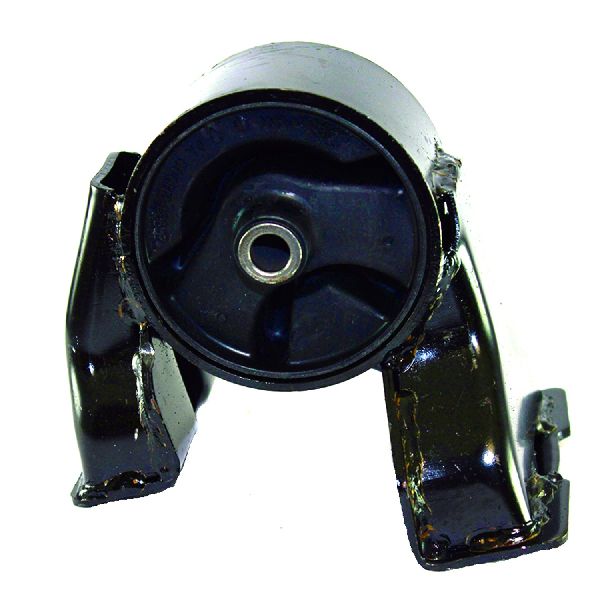
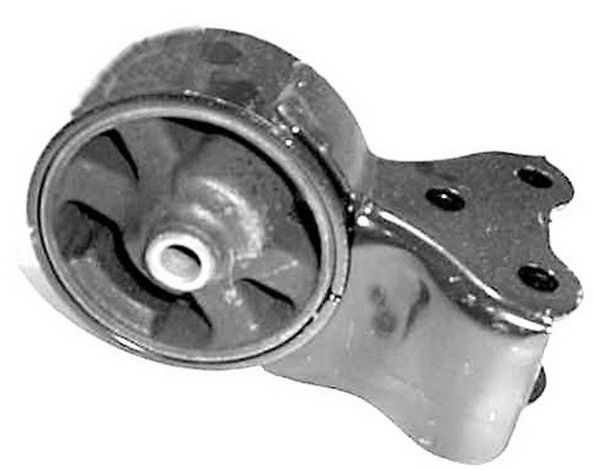
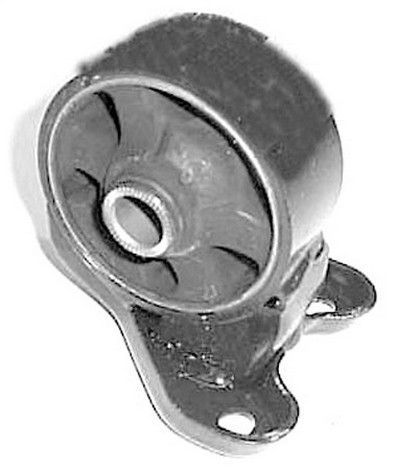
Mounts are typically made of steel and bonded rubber. Some may be hydraulic (fluid-filled) for better vibration damping. The number of mounts is typically 3 or 4, including engine-side, transmission-side, and lower torque struts.
We Have This Part in Stock

The information in this article is provided for general reference and educational purposes only. Vehicle specifications, procedures, and part compatibility can vary by production date, trim level, and region. Always consult your vehicle's factory service manual and verify part numbers before purchasing or performing repairs. Safety-critical components such as airbags, seat belts, and braking systems should be installed by a qualified professional.
- Hyundai Elantra: