

Hyundai Elantra Brake Light Switch Guide for 2001-2013 Models
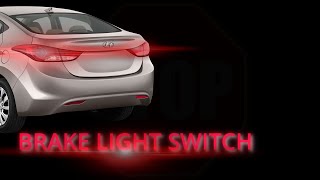
Having trouble with your brake lights, shifting, or cruise control? Your brake light switch is the likely culprit.
- A major recall (NHTSA 13V113000) was issued for this part; check if your Elantra was serviced before buying a replacement.
- Symptoms are not just limited to brake lights; also look for issues with shifting out of park and ESC warning lights.
- This is a simple, inexpensive DIY repair that usually takes less than 30 minutes.
- Before replacing the switch, check for a broken plastic/rubber stopper pad on the brake pedal arm, as this can cause identical symptoms.
Is Your Elantra's Brake Light Switch Failing?

A faulty brake light switch is a very common issue on the 2001-2013 Hyundai Elantra. The symptoms are often more than just brake light problems and can be confusing. Because this switch communicates with multiple vehicle systems, a failure can cause a range of electrical-style issues that might not seem related to the brakes at first.
Major Safety Recall Notice
Hyundai issued a massive safety recall (NHTSA Campaign ID: 13V113000) for a prematurely failing brake light switch that affects many 2001-2013 Elantra models. The original switches were known to fail, causing brake lights to not work, the ESC warning light to come on, cruise control to become inoperative, and the shifter to get stuck in Park. Before buying a part, it is highly recommended to check if your vehicle had the recall service performed by a Hyundai dealer. You can check your Vehicle Identification Number (VIN) on the NHTSA website.
Common Symptoms of a Bad Switch

- Brake Lights Don't Work: The most obvious and dangerous symptom. The switch fails to complete the circuit, and your brake lights do not illuminate when you press the pedal.
- Brake Lights Stay On: The switch can get stuck in the 'on' position, leaving your brake lights on even when the car is off. This will drain your battery. This can also be caused by a deteriorated or missing brake pedal stopper pad, a small rubber piece the switch presses against.
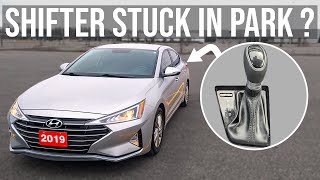
- Can't Shift Out of Park: Your Elantra has a safety feature called a shift interlock that requires a signal from the brake switch to let you move the shifter. If the switch is bad, the car doesn't know you're pressing the brake and won't let you shift.
- ESC/Traction Control Light On: The Electronic Stability Control (ESC) system uses the brake signal to function correctly. A bad switch can trigger the ESC warning light on your dashboard.
- Cruise Control Issues: The cruise control system will not engage, or it will not disengage when you press the brake pedal if the switch is faulty.
Choosing the Right Aftermarket Brake Light Switch

Because the original factory switch was the subject of a major recall, you can be confident that a quality aftermarket part is a reliable and cost-effective solution. Many aftermarket brands may have even improved upon the original design. For a simple electronic switch like this, you don't need to spend a lot to get a good part.
Brand Quality Tiers
- OEM-Equivalent Brands (Beck Arnley, Vemo): Brands like Beck Arnley often source their parts from the same manufacturers that supply Hyundai. They focus on matching the original part's fit, form, and function. These are a solid choice for quality and reliability.
- Trusted Aftermarket Brands (Standard Ignition, Dorman, Holstein): These are well-known names in the aftermarket. Dorman is known for making a huge variety of replacement parts, though some professional mechanics have noted inconsistent quality on more complex components. For a common failure part like this switch, their products are generally considered a dependable repair option.
- Value Brands (True Tech, Facet): These brands offer a functional replacement at a very competitive price point. For a simple switch, they can be a good budget-friendly choice for getting your vehicle safely back on the road.
| Part | Price Range |
|---|---|
| New Aftermarket Brake Light Switch | $11.35 - $39.72 |
Pro Tip: Check the Pedal Stopper First!
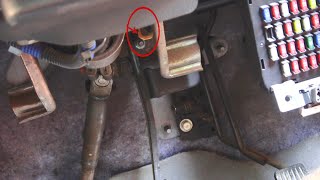
Sometimes the switch itself is fine, but a small, inexpensive plastic or rubber stopper on the brake pedal arm has disintegrated. If this piece is missing, the switch's plunger goes right through the hole in the pedal arm and never gets pressed, causing the brake lights to stay on. Check for plastic debris on your driver-side floor mat and inspect the pedal arm before replacing the switch.
Frequently Asked Questions
Can I replace the brake light switch myself?
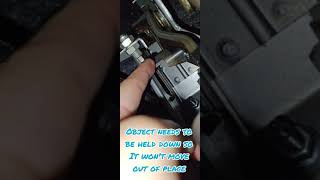
Yes, this is a very DIY-friendly repair. The switch is located above the brake pedal. It typically involves disconnecting the electrical connector, loosening a lock nut, and unscrewing the old switch. The new one screws in, is adjusted for the correct gap, and plugged back in. The entire job usually takes less than 30 minutes.
Why did my original brake light switch fail?
The original switches installed in many Hyundai models from this era were known to be defective and were subject to a safety recall. The internal contacts could fail intermittently, leading to the symptoms you're experiencing.
Are all 2001-2013 Elantra brake light switches the same?
No, there can be variations. Most use a 4-pin connector, but it's crucial to ensure you are buying the correct part for your specific model year. The OEM part number 93810-3K000 is a common replacement for many of these years, but always verify fitment before purchasing.
What happens if I ignore a bad brake light switch?
Ignoring this problem is a serious safety risk. Failure to illuminate the brake lights could easily lead to a rear-end collision. Additionally, you could be left stranded if you can't shift out of park or drain your battery if the lights stay on.
Helpful Videos
Technical Specifications
OEM Part Numbers: 93810-3K000 93810-2H000 93810-38100 93810-38110 93810-3S000
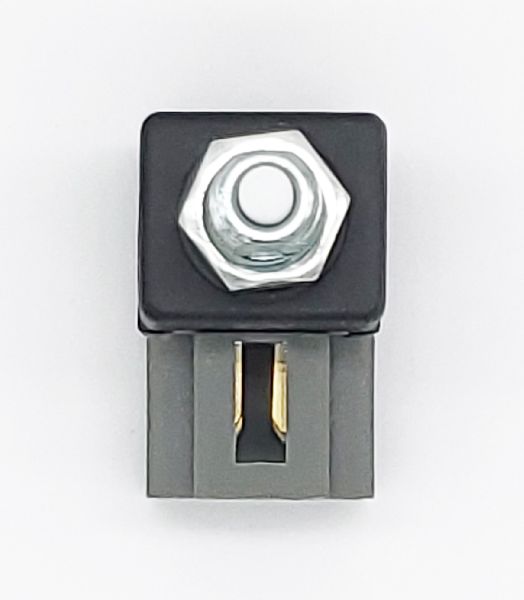
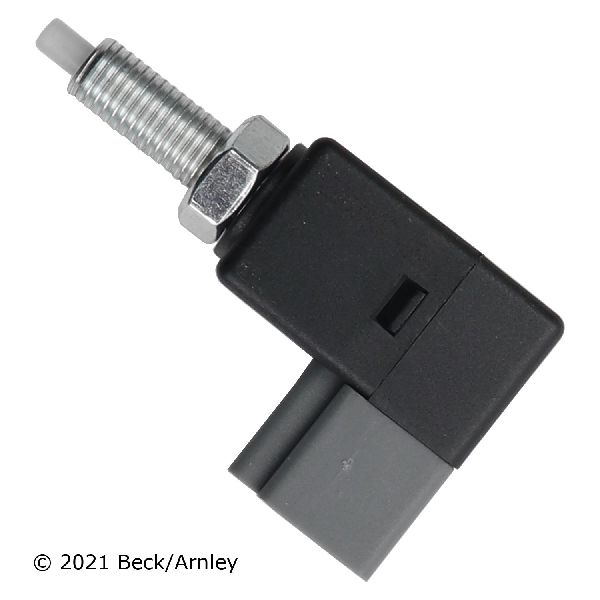
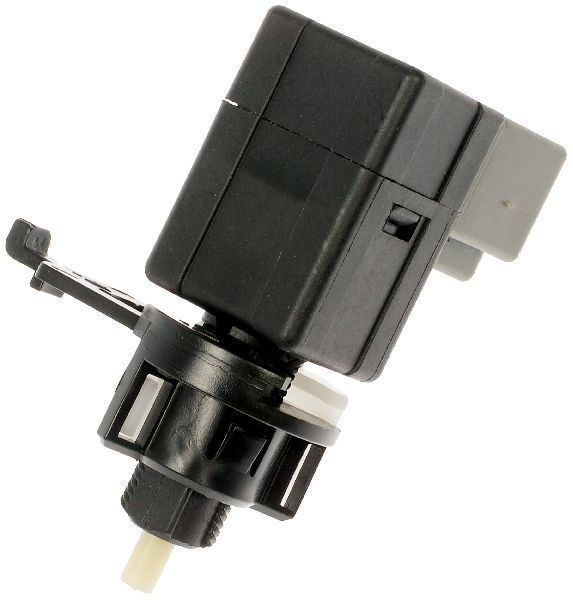
Typically a 4-pin plunger-style switch located on the brake pedal bracket.
We Have This Part in Stock


The information in this article is provided for general reference and educational purposes only. Vehicle specifications, procedures, and part compatibility can vary by production date, trim level, and region. Always consult your vehicle's factory service manual and verify part numbers before purchasing or performing repairs. Safety-critical components such as airbags, seat belts, and braking systems should be installed by a qualified professional.
- Hyundai Elantra: