

Ford Ranger Crankshaft Position Sensor Guide (2001-2012)
Having trouble starting your Ranger or dealing with stalling? Your crankshaft position sensor might be the culprit.
- A failing crankshaft sensor is a critical issue that can cause a no-start condition or sudden stalling while driving.
- Symptoms include a Check Engine Light (often code P0335), rough idle, poor acceleration, and stalling.
- For this part, choosing a quality aftermarket brand like Delphi, NGK/NTK, or Standard Motor Products (SMP) is a reliable alternative to more expensive OEM parts.
- Replacement is possible for a DIYer, but access is tight and requires working from under the truck.
Is Your Ranger Stalling or Refusing to Start?

A failing crankshaft position sensor is a common issue on many vehicles, including the 2001-2012 Ford Ranger. When this sensor starts to go bad, it can leave you stranded. Symptoms often start as intermittent problems, like stalling when the engine gets hot, but can quickly become a constant no-start issue. Because this part is so critical to engine operation, it's important to address the symptoms right away.
Symptoms of a Failing Crankshaft Position Sensor

If your Ranger's crankshaft sensor is failing, you'll likely notice one or more of the following issues. These problems can appear suddenly or get progressively worse over time.
- Engine Won't Start: This is the most common and serious symptom. The engine will crank over but won't fire up because the computer isn't getting the signal it needs to time the spark and fuel.
- Stalling While Driving: The engine may suddenly shut off while you're driving. This is a dangerous situation, as you will lose power steering and power brake assist.
- Rough Idle or Misfires: An erratic signal from the sensor can cause the engine to run rough, shake, or misfire because the timing is incorrect.
- Poor Acceleration: Your truck may feel sluggish and lack power because the engine isn't running efficiently.
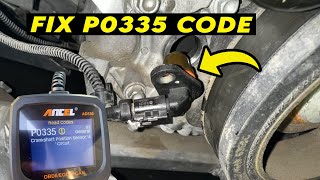
- Check Engine Light: A faulty sensor will often trigger the Check Engine Light. Common trouble codes include P0335, which points to a malfunction in the crankshaft position sensor circuit. 🎬 Watch this video to see how a P0335 code is diagnosed.
Critical Failure Warning
A complete failure of the crankshaft position sensor will prevent your truck from starting. If it fails while you are driving, the engine will shut off immediately. This is a critical part that should be replaced as soon as symptoms appear.
Choosing the Right Aftermarket Sensor

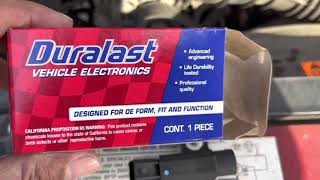
When it comes to critical electronic sensors, quality matters. While an OEM Motorcraft part is always a safe bet, several aftermarket brands offer a good balance of quality and value. It's generally recommended to avoid the cheapest, unbranded options, as sensor quality can be inconsistent.
Brand Tiers for Your Ford Ranger
- OEM-Quality Aftermarket (Best Value): Brands like Delphi, NGK (NTK), and Standard Motor Products (SMP) are often OEM suppliers for various car manufacturers and are known for producing reliable sensors that meet or exceed factory specifications. They are considered a solid choice for this critical component.
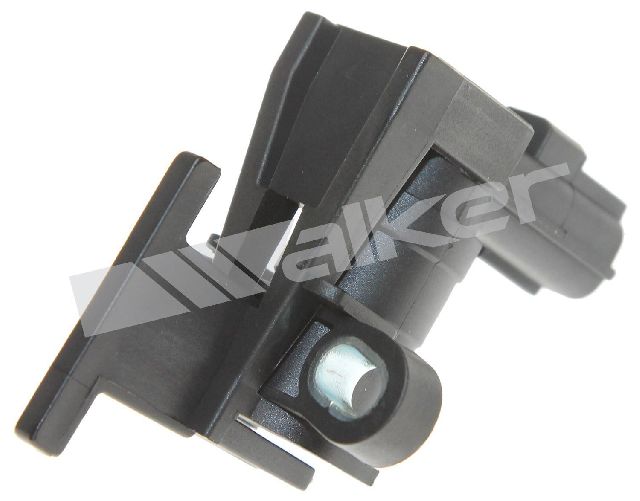
- Reputable Aftermarket (Good): Brands like Dorman and Walker Products are well-known in the aftermarket. They can be a good budget-friendly option, though some professional mechanics have reported occasional quality inconsistencies compared to OEM or OEM-supplier brands.
- Economy Brands (Use with Caution): Cheaper, lesser-known brands might be tempting, but for a sensor that can leave you stranded, it's often worth spending a little more for a part with a proven track record.
Pro Tip: Check the Connector
Before ordering, it's a good idea to visually inspect the electrical connector on your old sensor. The plastic tabs can become brittle and break. While you're replacing the sensor, it's a good time to ensure the wiring harness connector is clean and locks securely onto the new part.
Cost of a New Crankshaft Position Sensor
The cost will vary based on the brand you choose and labor rates in your area. The part itself is relatively inexpensive.
| Part Type | Estimated Cost |
|---|---|
| New OEM (Motorcraft) | $60 - $100 |
| New Aftermarket | $13.89 - $59.94 |
| Shop Labor | $80 - $150 |
Frequently Asked Questions

Where is the crankshaft position sensor located on a Ford Ranger?
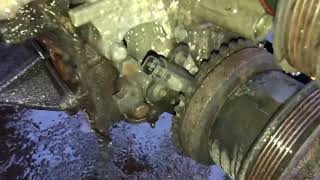
The location varies slightly by engine. On the 4.0L V6 and 2.3L 4-cylinder engines, it is located at the front of the engine, near the main crankshaft pulley on the passenger side. It's mounted to the engine block and reads a toothed wheel on the back of the pulley. On the 3.0L V6, it is also on the front of the engine. Access is typically from underneath the vehicle.
🎬 See exactly where the sensor is located on the 3.0L engine.Is this a difficult part to replace myself?
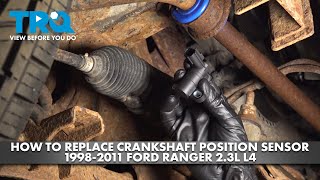
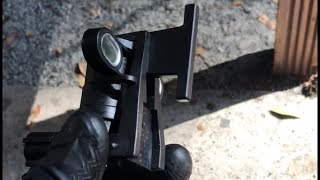
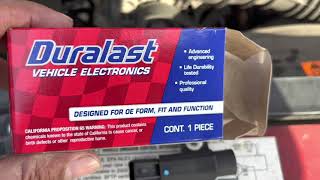
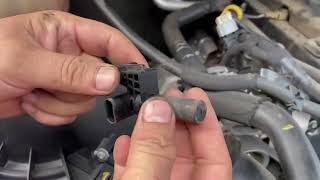
For a DIYer with some experience, this is a manageable job. The main challenge is access, as the sensor is in a tight spot. You will likely need to work from underneath the truck. The sensor is held in by two small bolts (typically 8mm). The 2.3L Duratec engine replacement can be more involved, sometimes requiring a special alignment tool that comes with the new sensor to ensure it's positioned correctly. 🎬 Follow this step-by-step walkthrough for the 2.3L sensor replacement. If you're not comfortable working in tight spaces or don't have a good set of tools, it might be best to leave this to a professional.
Are there any recalls for the crankshaft position sensor on the 2001-2012 Ranger?
Based on searches of the National Highway Traffic Safety Administration (NHTSA) database, there are no specific safety recalls for the crankshaft position sensor on the 2001-2012 Ford Ranger. Always check for recalls using your vehicle's specific VIN on the NHTSA website for the most up-to-date information.
Do I need to perform a 'relearn' procedure after replacing the sensor?
For most 2001-2012 Ford Rangers, a specific 'relearn' procedure is not required after replacing the crankshaft position sensor. The computer will typically adapt to the new sensor after a few drive cycles. However, on some 2.3L models, an alignment tool is used during installation to ensure the sensor is physically in the correct position from the start.
Helpful Videos
Technical Specifications
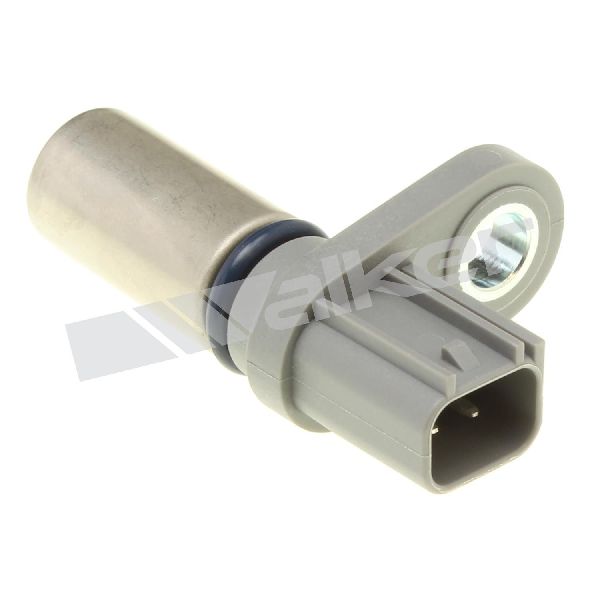
OEM Part Numbers: 1L5Z-6C315-AA F7TZ-6C315-AB 1F20-18-891
2-pin connector, bolt-on mount. Location varies slightly between 2.3L, 3.0L, and 4.0L engines but is generally at the front of the engine near the crankshaft pulley.
We Have This Part in Stock


The information in this article is provided for general reference and educational purposes only. Vehicle specifications, procedures, and part compatibility can vary by production date, trim level, and region. Always consult your vehicle's factory service manual and verify part numbers before purchasing or performing repairs. Safety-critical components such as airbags, seat belts, and braking systems should be installed by a qualified professional.
- Ford Ranger: