

A Dodge Dakota Owner's Guide to Replacing Oxygen Sensors (2001-2012)
Your Dakota is picky about its parts—here's how to choose the right oxygen sensor and avoid common issues.
- Dodge Dakotas are very picky; use Denso or NGK/NTK brand oxygen sensors to avoid issues.
- Avoid using Bosch sensors in the upstream (pre-catalytic converter) position, as they are known to cause problems on these trucks.
- A bad O2 sensor will cause poor fuel economy and can eventually damage your expensive catalytic converters if ignored.
- Replacing the passenger-side upstream sensor on the 4.7L V8 is a difficult job that requires patience and special tools.
Is Your Dakota's Oxygen Sensor Failing?

A bad oxygen sensor doesn't always mean your truck will stop running, but it will cause problems. The most common sign is a lit Check Engine Light on your dashboard. You will also likely notice a significant drop in gas mileage because the engine often runs rich (using too much fuel) as a default safety measure. Other symptoms include a rough idle, engine hesitation or misfires, a rotten egg smell from the exhaust, or even black smoke. Ignoring these signs can lead to a failed emissions test and, more seriously, can damage your expensive catalytic converters over time.
🎬 Watch: 7 common symptoms of a failing oxygen sensor.Choosing the Right Aftermarket Oxygen Sensor: Brand Matters

Dodge Dakota trucks from this era are known to be very particular about their oxygen sensors. While many brands are available, owner experiences show a clear preference for certain manufacturers to avoid repeat failures and persistent check engine lights.
Brand Tiers for the 2001-2012 Dodge Dakota
- Tier 1 (Highly Recommended): Denso & NGK/NTK. These brands are widely considered the most reliable choices and are often the original equipment (OEM) manufacturers for Mopar parts. Dakota owners consistently report that Denso and NTK sensors work correctly right out of the box, resolving codes and performance issues without trouble.
- Tier 2 (OEM): Mopar. These are the official dealer parts. They are a guaranteed fit and function but are often significantly more expensive than their OEM-equivalent counterparts from Denso or NTK.
- Tier 3 (Use With Caution): Walker Products, Delphi. These brands are generally considered acceptable, especially for the less critical downstream (post-catalytic converter) positions. However, for the vital upstream sensors that control your engine's air-fuel mixture, sticking with Tier 1 is a safer bet.
- Avoid for Upstream Sensors: Bosch. While Bosch is a major sensor manufacturer, there are numerous reports from Dakota owners of issues when using their sensors on these specific trucks. Problems include slower warm-up times that can trigger cold-start misfire codes and prevent the engine from entering its efficient "closed-loop" mode properly. To avoid headaches, it's best to choose another brand for the upstream positions.
Known Issues & Vehicle-Specific Problems

No recalls are specifically for oxygen sensors on the 2001-2012 Dakota, but there are common issues to be aware of.
- Difficult Replacement: The upstream sensor on the passenger side (Bank 2, Sensor 1) on 4.7L V8 models is notoriously difficult to access. The sensor and its electrical connector are tucked high up on the transmission, requiring patience, long extensions, and specialized tools. 🎬 See how to remove that difficult Bank 2 Sensor 1.
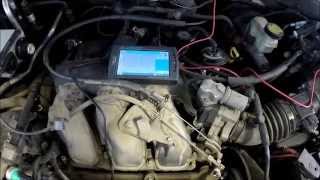
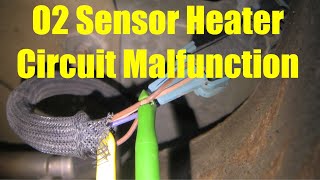
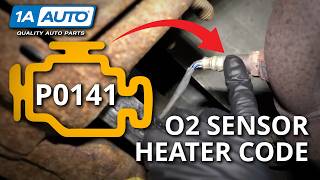
- Shared Power Source: On some models, both downstream sensors are powered by the same fuse or relay in the under-hood power distribution center. If you get error codes for both downstream sensor heaters at the same time (like P0141 and P0161), check the fuse and consider swapping the relay before replacing the sensors themselves. 🎬 Watch: How to diagnose P0141 and P0161 heater circuit codes.
- Seized Sensors: After years and thousands of heat cycles, sensors can become seized in the exhaust pipe. Always spray the base of the old sensor with a quality penetrating oil (like PB Blaster) and let it soak before attempting removal.
| Part Type | Estimated Cost |
|---|---|
| New OEM (Mopar) | $110 - $280 per sensor |
| New Aftermarket (Provided Range) | $32.90 - $260.40 per sensor |
| Shop Labor | $75 - $200 per sensor |
Frequently Asked Questions

How many oxygen sensors does my Dakota have?
It depends on the engine. V6 and V8 models typically have four sensors: two upstream (before the catalytic converters) and two downstream (after the converters). There is one upstream and one downstream sensor for each engine bank (Bank 1 is the driver's side, Bank 2 is the passenger's side).
What is the difference between an upstream and a downstream sensor?
Upstream sensors (also called Sensor 1) are located in the exhaust manifold or downpipe before the catalytic converter. They are critical for performance and fuel economy, as they provide real-time feedback for the engine to adjust the air-fuel mixture. Downstream sensors (Sensor 2) are located after the catalytic converter and their main job is to monitor the converter's efficiency for emissions compliance.
Do I really need a special tool to replace an O2 sensor?
It is highly recommended. An O2 sensor socket, which has a slot for the wire to pass through, makes the job much easier and reduces the risk of damaging the new sensor or stripping the old one. While a 7/8" or 22mm wrench can work, accessing the sensor, especially the upstream ones, can be nearly impossible without the proper socket.
Can I use a cheaper Bosch sensor?
It is not recommended for the upstream (pre-cat) position on a Dodge Dakota. Many owners have reported issues with Bosch sensors causing check engine lights and running problems, even when the sensor is new. To save time and frustration, it is best to use Denso or NTK brand sensors, which are known to work well with the Dakota's computer system.
Should I replace all the sensors at once?
You only need to replace the sensor that has failed. However, oxygen sensors have a limited lifespan (typically 7-10 years on modern vehicles). If one has failed due to age, the others are likely not far behind. If you are replacing one upstream sensor, it is good practice to replace the other upstream sensor at the same time to ensure balanced engine performance.
Helpful Videos
![Bad O2 Sensor Symptoms Downstream & Upstream [Oxygen Sensor Failure and Causes] How to fix & Replace](https://img.youtube.com/vi/b-xxdBlikSA/mqdefault.jpg)
Technical Specifications
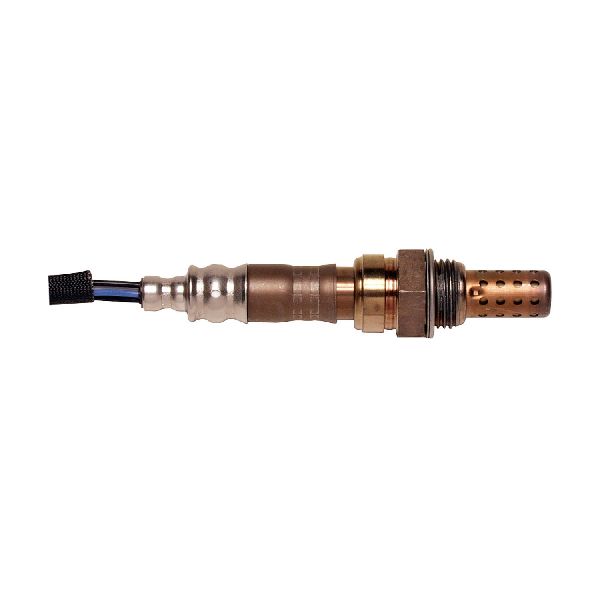
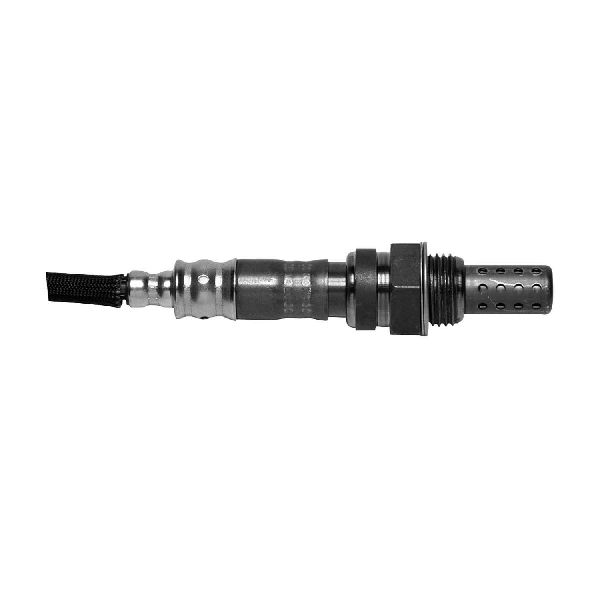
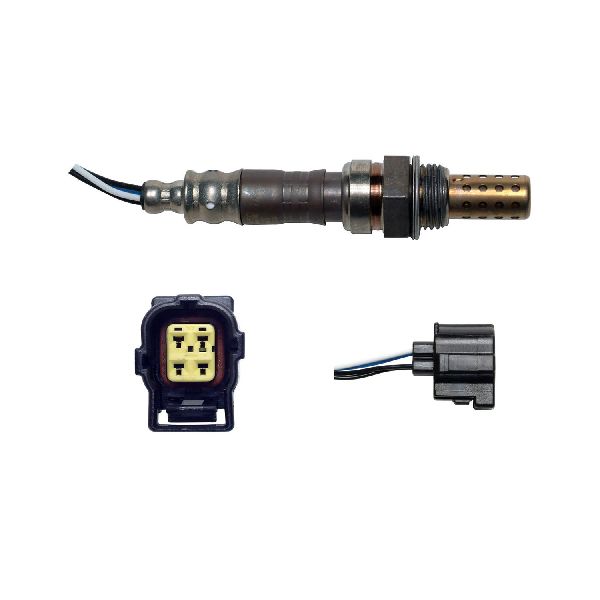
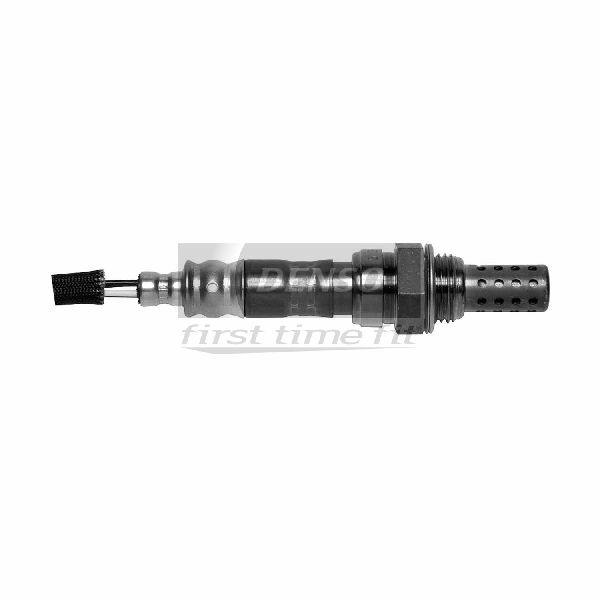
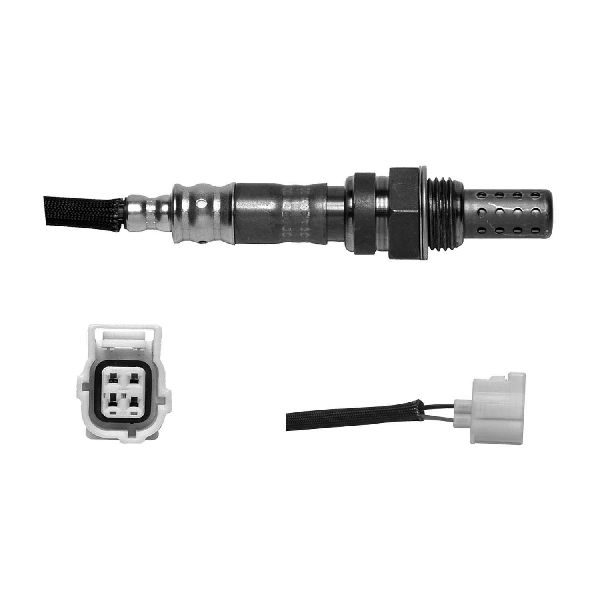
Your truck may have two or four oxygen sensors depending on the engine. Bank 1 is the driver side, Bank 2 is the passenger side. Sensor 1 is upstream (before the catalytic converter), and Sensor 2 is downstream (after the catalytic converter). Always verify the correct part for the specific location.
We Have This Part in Stock

The information in this article is provided for general reference and educational purposes only. Vehicle specifications, procedures, and part compatibility can vary by production date, trim level, and region. Always consult your vehicle's factory service manual and verify part numbers before purchasing or performing repairs. Safety-critical components such as airbags, seat belts, and braking systems should be installed by a qualified professional.
- Dodge Dakota: