

Ford F-150 Transmission Output Shaft Speed Sensor Guide (2001-2011)
Experiencing erratic shifting or a dead speedometer? Your F-150's Output Speed Sensor might be the cause.
- A bad OSS sensor can cause an erratic speedometer, harsh shifting, and trigger check engine codes P0720 and P0722.
- A critical failure symptom is a sudden downshift to 1st gear at speed, which was subject to Ford recall 19S07 for 2011 models with the 6-speed transmission.
- Replacement is easy on 2001-2008 models with an external sensor but difficult on 2009-2011 models where the sensor is inside the transmission.
- Due to the critical function of this part, use a quality aftermarket brand like Standard Ignition or NGK (NTK) to ensure reliability.
Is Your F-150 Shifting Hard or Acting Unpredictable?
A failing Output Shaft Speed Sensor (OSS) can make your dependable F-150 feel unreliable. Symptoms often start small but can become serious safety issues. Recognizing the signs early can help you diagnose the problem correctly and avoid unnecessary repairs.
Symptoms of a Bad Output Shaft Speed Sensor

If the OSS is failing, your truck will likely let you know in several ways. You may experience one or more of the following issues:
- Erratic or Dead Speedometer: The speedometer may bounce around unpredictably or drop to zero while driving.
- Harsh or Improper Shifting: The transmission may slam into gear, hesitate between shifts, or refuse to shift out of a certain gear.
- Sudden, Dangerous Downshifts: A known issue, particularly on 2009-2011 models, is an unexpected downshift to first gear at speed, which can cause the rear tires to lock up and a loss of vehicle control.
- Check Engine Light or Wrench Light: The sensor failure will trigger a fault in the PCM, illuminating the check engine light or the wrench indicator on your dash. Common trouble codes include P0720 and P0722.
- Limp Mode: The truck's computer may put the vehicle into a 'limp home' mode with reduced power to protect the transmission from further damage.
Known Safety Recall: Sudden Downshifting
Ford issued recall 19S07 (NHTSA 19V-075) for some 2011-2013 F-150s with the 6-speed automatic transmission due to the OSS signal failing. This could cause a sudden downshift to first gear. The fix was a software update to the PCM to prevent the downshift from occurring if the sensor signal was lost. While this recall applies specifically to 2011 models in your year range, the underlying issue can affect other years with the 6R80 transmission.
Choosing the Right Aftermarket Sensor

When replacing a critical sensor like the OSS, quality matters. A cheap, poorly made sensor can fail quickly or provide inaccurate readings, leaving you with the same problems. It's best to stick with either an OEM part or a top-tier aftermarket brand known for its electronics.
Brand Quality: Standard Ignition vs. NGK (NTK)
- Standard Ignition (SMP): A well-respected name in the aftermarket, Standard Motor Products often produces parts that meet or exceed OE specifications. They are a reliable choice for sensors and other engine management components.
- NGK (NTK Sensors): While famous for spark plugs, NGK's sensor brand, NTK, is a major OE supplier for many automakers. Their sensors are known for quality, durability, and precise signaling, making them an excellent alternative to the factory part.
For a sensor this critical to your transmission's function and your safety, choosing a proven brand like Standard Ignition or NGK (NTK) is a smart investment over a generic, no-name part.
Important: 4-Speed vs. 6-Speed Transmissions
The 2001-2011 F-150 used different transmissions, and the sensor replacement procedure varies greatly.
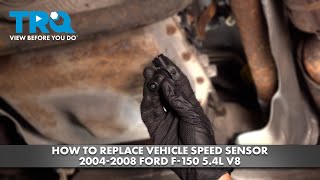
2001-2008 (4-Speed 4R70W/4R75E): The OSS is typically an external sensor bolted to the driver's side of the transmission case. It's held by a single 8mm bolt and is easy to access and replace.
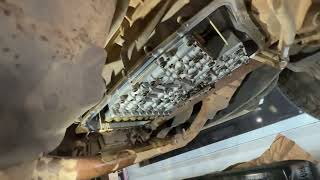
2009-2011 (6-Speed 6R80): The OSS is integrated into the molded lead frame assembly, which is located inside the transmission. Replacing it requires dropping the transmission pan and fluid, making it a much more complex and costly job.
Cost to Replace a Ford F-150 Output Speed Sensor
Costs vary based on your truck's transmission and whether you do the work yourself. The table below estimates costs for the more common and simpler external sensor replacement.
| Item | Estimated Cost |
|---|---|
| New OEM (Motorcraft) Part | $50 - $85 |
| New Aftermarket Part (NGK, Standard) | $33 - $60 |
| Shop Labor | $95 - $150 |
| Total Professional Replacement | $128 - $210 |
Frequently Asked Questions

Can I still drive my F-150 with a bad output speed sensor?
You can, but it is not recommended, especially for long distances or at highway speeds. The risk of sudden, harsh shifts or an unexpected downshift to a low gear makes it a potential safety hazard. It's best to get the vehicle serviced as soon as possible.
Where is the output speed sensor located on a 2001-2011 F-150?
For most of this generation (approx. 2001-2008 with 4-speed automatics), the sensor is on the outside of the transmission on the driver's side, held in by a single 8mm bolt. For later models (approx. 2009-2011 with the 6-speed 6R80), it is part of the lead frame inside the transmission pan.
What do the codes P0720 and P0722 mean?
P0720 stands for "Output Speed Sensor Circuit Malfunction," indicating a general electrical problem in the circuit. P0722 means "Output Speed Sensor No Signal," which means the computer is not receiving any reading from the sensor at all. Both codes point directly to a problem with the OSS or its wiring.
Is replacing the output speed sensor a DIY job?
If you have a model with the external sensor (most 2001-2008 trucks), yes, it is a very simple DIY job that requires basic hand tools and can be done in under an hour. If you have a 2009-2011 model with the internal sensor, it is a much more involved job that requires draining the transmission and removing the valve body. This is best left to an experienced mechanic.
Helpful Videos


Technical Specifications
OEM Part Numbers: DY-1215
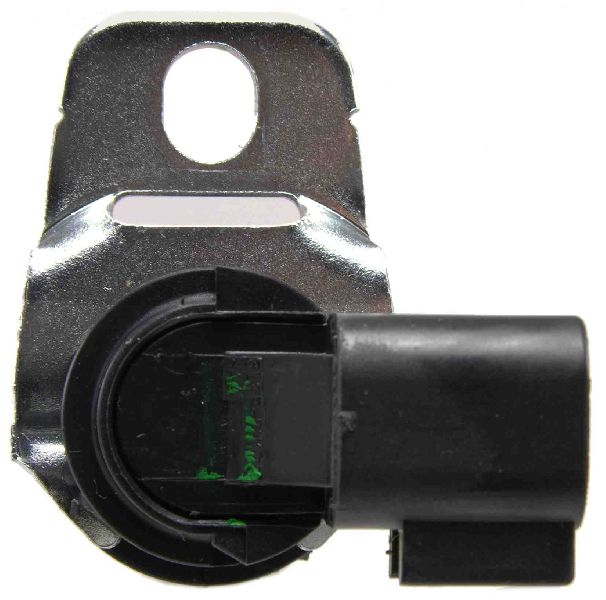
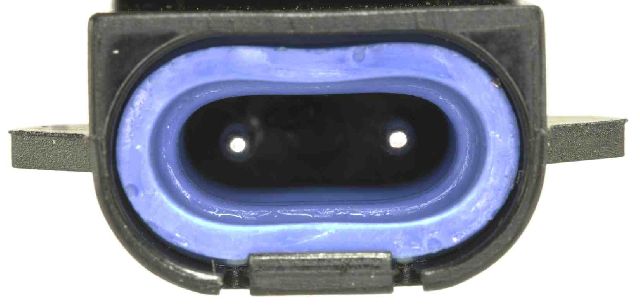
The sensor is typically a magnetic pickup that generates a signal as a toothed reluctor wheel on the output shaft spins. It is located on the driver's side of the transmission. On 4-speed models, it is external and held by one 8mm bolt. On 6-speed models, it is part of the internal lead frame assembly.
We Have This Part in Stock


The information in this article is provided for general reference and educational purposes only. Vehicle specifications, procedures, and part compatibility can vary by production date, trim level, and region. Always consult your vehicle's factory service manual and verify part numbers before purchasing or performing repairs. Safety-critical components such as airbags, seat belts, and braking systems should be installed by a qualified professional.
- Ford F-150: