

Engine Oil Pressure Switch Guide for 2001-2011 Chevrolet Silverado 2500 HD
Fix your Silverado's erratic or incorrect oil pressure gauge readings by understanding and replacing the right part.
- A faulty oil pressure switch is a very common issue for this truck, typically causing the gauge to read zero or max out.
- The sensor is located in a very difficult-to-reach spot at the back of the engine, making replacement a challenging job.
- Always replace the small filter screen located underneath the sensor to prevent a repeat failure from clogging.
- While a bad sensor is the likely cause, always verify the engine oil level first to rule out a true low-pressure emergency.
Is Your Oil Pressure Gauge Acting Up?

A common headache for 2001-2011 Silverado 2500 HD owners is a faulty engine oil pressure switch. Symptoms often appear suddenly, causing the oil pressure gauge to behave erratically. You might see it drop to zero, get stuck at the maximum reading (often 80 PSI), or fluctuate wildly while you drive. This is frequently accompanied by a "Check Gauges" or "Low Oil Pressure" message and a Check Engine Light.
A Word of Caution
While the sensor is the most common culprit, these warnings can also signal actual low oil pressure, which is a critical engine problem. Always check your engine oil level first. If the level is correct, but the gauge is still acting up, the sensor is the next logical part to inspect and replace.
Known Issues for the 2001-2011 Silverado 2500 HD

This generation of Silverado is known for two primary issues related to the oil pressure sending unit:
- Sensor Failure: The sensor itself is a common failure point. Aftermarket sensors, especially cheaper ones with plastic bases, have been known to fail prematurely, sometimes in less than a year.
- Clogged Filter Screen: Underneath the sensor, there is a small, thimble-shaped filter screen. This screen can become clogged with sludge and engine debris, preventing oil from reaching the sensor and causing a false low-pressure reading. Many mechanics recommend replacing this screen—or even removing it entirely—whenever you replace the sensor.
Choosing the Right Aftermarket Oil Pressure Switch

When your original sensor fails, you have a choice between OEM (like ACDelco) and various aftermarket brands. For a critical sensor like this, quality matters. Some owners report having to replace cheaper aftermarket sensors multiple times.
- Premium Aftermarket (e.g., Standard Ignition, Walker Products, Holstein): These brands often aim to meet or exceed original equipment (OE) specifications. They are generally considered a reliable alternative to the dealer part and are built to withstand engine heat and vibration.
- Value Brands (e.g., Global Parts, True Tech): While more budget-friendly, these parts may not have the same longevity or rigorous testing as premium options. They can be a viable short-term solution, but be aware that premature failure is a possibility.
Pro Tip: Many aftermarket kits, like those from Duralast, come with both the new sensor and a new filter screen. It is highly recommended to replace both parts at the same time to avoid doing the job twice.
Replacement Cost
The cost to replace the oil pressure switch depends on whether you do it yourself or hire a professional. The part itself is not expensive, but labor can be significant due to its difficult-to-reach location.
| Item | Estimated Cost |
|---|---|
| New Aftermarket Part | $21.34 - $94.15 |
| Shop Labor | $150 - $300 |
| Total Professional Replacement | $171 - $395 |
Frequently Asked Questions (FAQ)

Where is the oil pressure switch located on my Silverado 2500 HD?
The sensor is located at the very back of the engine block, on the driver's side, behind the intake manifold and close to the firewall. Its position makes it very difficult to see and reach, often requiring you to work by feel.
Is this a difficult job to do myself?
Yes, this is considered a difficult DIY job mainly due to the sensor's location. While it doesn't always require removing the intake manifold, it demands patience, specific tools (like a special socket and swivel extensions), and the ability to work in a very tight space, often while leaning over the engine. Some owners find it impossible to do without removing the intake.
What tools do I need to replace the sensor?
You will need a ratchet with several extensions, a universal swivel joint, and a special oil pressure sending unit socket, which is typically 1 1/16-inch or 27mm. A pick or small screwdriver is also helpful for removing the old filter screen.
My gauge reads zero. Is the truck safe to drive?
It is not recommended. A zero reading could mean the sensor has failed, or it could mean your engine has lost all oil pressure, which will quickly lead to catastrophic engine failure. You should not drive the vehicle until the cause is properly diagnosed.
Are there any recalls for this issue?
Searches of the NHTSA database did not find any specific recalls for the engine oil pressure switch on the 2001-2011 Chevrolet Silverado 2500 HD. Recalls found were for brake pressure switches on different model years.
Technical Specifications
OEM Part Numbers: 12677836
Requires a special 1 1/16-inch or 27mm deep well socket for removal and installation. Torque specification for the new sensor is approximately 15-26 ft-lbs, but be careful not to overtighten as the sensor body can break.
We Have This Part in Stock

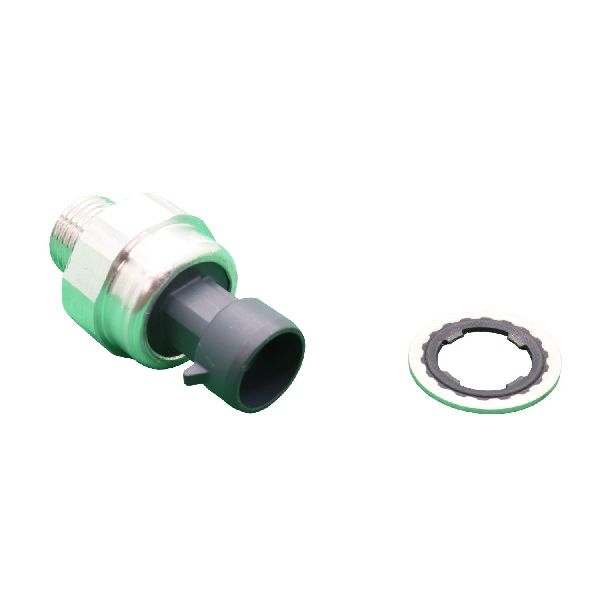

The information in this article is provided for general reference and educational purposes only. Vehicle specifications, procedures, and part compatibility can vary by production date, trim level, and region. Always consult your vehicle's factory service manual and verify part numbers before purchasing or performing repairs. Safety-critical components such as airbags, seat belts, and braking systems should be installed by a qualified professional.
- Chevrolet Silverado 2500 HD: