

2001-2010 UD 3300 Accessory Drive Belt: A Complete Replacement Guide
Keep your UD 3300's essential systems running by knowing when and how to replace your accessory drive belt.
- No major recalls or TSBs exist for the UD 3300's accessory belt, but it is a critical wear item.
- Squealing noises, visible cracks, and dimming lights are key warning signs of a failing belt.
- A complete belt failure will make the truck undrivable due to engine overheating and loss of power steering.
- High-quality aftermarket belts from brands like Gates are a reliable and cost-effective choice for these work trucks.
Understanding Accessory Drive Belt Failure in Your UD 3300
The accessory drive belt on your UD 3300 operates under constant stress and high under-hood temperatures. Over many miles, the rubber material naturally degrades. Heat causes the rubber to dry out and crack, while constant friction against the pulleys can cause fraying and wear. While there are no widespread recalls or technical service bulletins (TSBs) for premature belt failure on the 2001-2010 UD 3300, these belts are wear items that require regular inspection and eventual replacement.
Symptoms of a Worn or Failing Accessory Drive Belt
Paying attention to your truck can help you catch a failing belt before it leaves you stranded. Here are the most common signs:
- Squealing Noises: A high-pitched squeal, especially when starting the engine cold or during wet weather, is a classic sign of a slipping belt. This noise may change with engine speed.
- Visible Wear: A visual inspection is the best way to check the belt's condition. Look for cracks, fraying, missing ribs, or a glazed, shiny appearance on the belt's surface.
- Accessory Problems: Since the belt powers multiple components, you might notice symptoms like dimming headlights (failing alternator), difficulty steering (failing power steering), or the engine temperature climbing higher than normal (failing water pump).
Critical Component Warning
If the accessory drive belt breaks completely, your UD 3300 will lose power to the water pump, alternator, and power steering almost instantly. The engine will overheat rapidly, and you will lose steering assist. It is not safe to drive with a broken accessory belt.
Choosing the Right Aftermarket Belt: OEM vs. Aftermarket
When replacing the belt on your UD 3300, you have the choice between a genuine UD (Original Equipment Manufacturer) part and an aftermarket part. For a work truck like the UD 3300, a high-quality aftermarket belt often provides the best combination of performance and value.
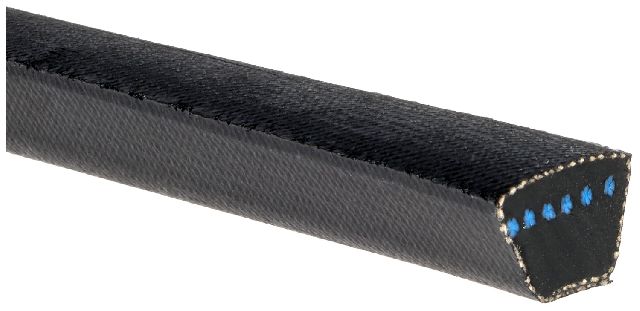
Gates is a well-regarded, tier-one supplier of belts for heavy-duty applications. Their FleetRunner® series is specifically designed for the demanding conditions of commercial trucks, offering excellent durability and heat resistance. Many professional mechanics and fleet operators choose Gates for their reliability, often considering them equal to or better than the original factory belts.
Pro Tip: Inspect Pulleys and Tensioners
When the old belt is off, take the opportunity to inspect the tensioner and idler pulleys. Spin each pulley by hand. They should spin smoothly and quietly. Any grinding noise, wobble, or roughness indicates the pulley bearing is worn and should be replaced along with the belt to prevent damage to the new belt.
Accessory Drive Belt Replacement Cost for UD 3300
The cost to replace the accessory drive belt can vary based on your choice of parts and labor rates. The part itself is relatively inexpensive, but labor can add to the total cost if you have it done at a shop.
| Part Type | Estimated Cost |
|---|---|
| New Aftermarket (Gates) | $16 - $105 |
| Shop Labor | $100 - $200 |
Frequently Asked Questions (FAQ)
How often should I replace the accessory drive belt on my UD 3300?
There is no exact mileage interval, as life depends on operating conditions. It's best to start inspecting the belt for wear, cracks, or fraying around 50,000 miles and check it at every oil change thereafter. Replace it at the first sign of degradation.
Is there more than one belt on my UD 3300?
It depends on the specific year and engine configuration. Some trucks may have a single serpentine belt, while others might have a separate belt for the A/C compressor. Always verify the belt routing and part number for your specific truck before ordering.
Can I replace the accessory drive belt myself?
Yes, this is a feasible DIY job for someone with mechanical experience. You will need a basic set of tools, including a long-handled ratchet or breaker bar to release the automatic tensioner. Always make a diagram or take a photo of the belt routing before you remove the old one.
Why is my new belt squeaking?
A new belt can squeak if the tension is incorrect, if there is pulley misalignment, or if the pulleys themselves are worn. Another common cause is fluid contamination; make sure the pulleys are clean and dry before installing the new belt.
Technical Specifications
Belt length and rib count vary by specific engine and accessory configuration (e.g., with or without A/C). Always verify the correct part for your vehicle's VIN. Belts are typically made of EPDM rubber.
We Have This Part in Stock

The information in this article is provided for general reference and educational purposes only. Vehicle specifications, procedures, and part compatibility can vary by production date, trim level, and region. Always consult your vehicle's factory service manual and verify part numbers before purchasing or performing repairs. Safety-critical components such as airbags, seat belts, and braking systems should be installed by a qualified professional.
- UD 3300: