

A Guide to Replacing Oxygen Sensors on the 2001-2010 Toyota Prius
Keep your Prius running efficiently and understand when it's time to replace a failing oxygen sensor.
- Denso is the original equipment manufacturer (OEM) for Toyota, making it the most recommended aftermarket brand for reliability.
- The 2001-2010 Prius has two sensors: an upstream Air-Fuel Ratio Sensor and a downstream Oxygen Sensor. Identify which one has failed before buying.
- Replacing the downstream sensor is a manageable DIY job, but the upstream sensor is significantly more difficult and may require a professional.
- Ignoring a bad O2 sensor will hurt your fuel economy and can eventually lead to costly damage to the catalytic converter.
Understanding Oxygen Sensor Failure in Your Prius

Oxygen sensors live in a harsh environment and eventually wear out. Contaminants from fuel, oil, and engine coolant can cause them to fail over time. When a sensor goes bad, it can no longer send accurate information to your car's computer, leading to a range of problems from poor performance to a failed emissions test.
Key Symptoms of a Bad Oxygen Sensor
A failing oxygen sensor will almost always trigger the Check Engine Light. Other common signs include:
- Noticeable drop in fuel economy (MPG).
- Rough or uneven idling.
- Sluggish acceleration or engine hesitation.
- A strong smell of gasoline or rotten eggs from the exhaust.
Generation and Sensor Differences
The 2001-2010 Prius range covers two generations: the 1st Gen (2001-2003) and the 2nd Gen (2004-2009). While both have upstream and downstream sensors, their locations and part numbers are different. The upstream sensor is often called an Air-Fuel (A/F) Ratio Sensor, and the downstream is the Oxygen Sensor. Always verify which sensor you need before ordering.
Choosing the Right Aftermarket Oxygen Sensor

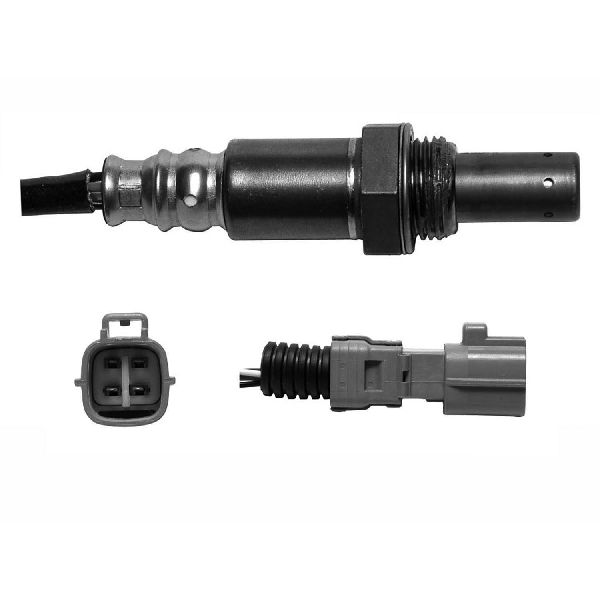
When it comes to replacement parts for a Prius, quality matters. While OEM is always an option, high-quality aftermarket brands offer a reliable and more affordable alternative. For Toyota vehicles, Denso is the original equipment manufacturer (OEM), meaning they made the part for Toyota in the first place. This makes Denso aftermarket sensors a top-tier choice.
Brand Quality Tiers
Not all aftermarket brands are created equal. Here’s how the available brands generally stack up for your Prius:
- OEM-Equivalent (Top Tier): Denso and NGK (also known as NTK) are widely regarded as the best choices. They are often the original suppliers to Toyota, ensuring a perfect fit and reliable performance without causing compatibility issues that can sometimes arise with other brands on sensitive hybrid systems.
- Quality Aftermarket (Mid Tier): Bosch and Delphi are reputable brands that produce reliable sensors. While generally good, some vehicle-specific forums report that Toyota's engine computer can be sensitive and sometimes prefers the OEM brand to avoid any potential issues.
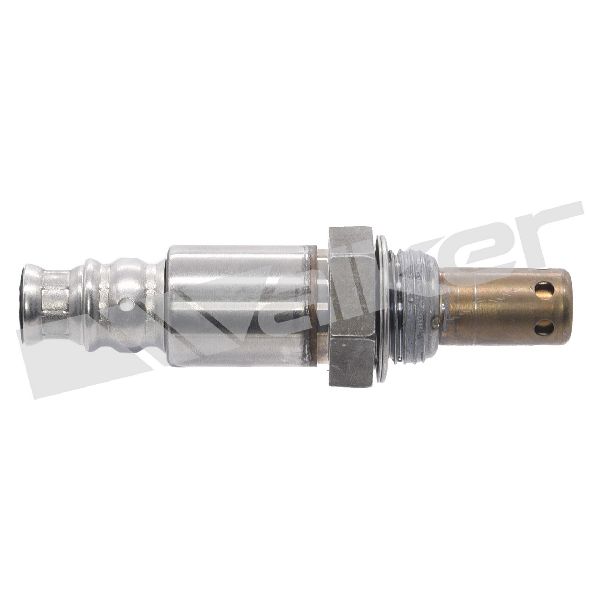
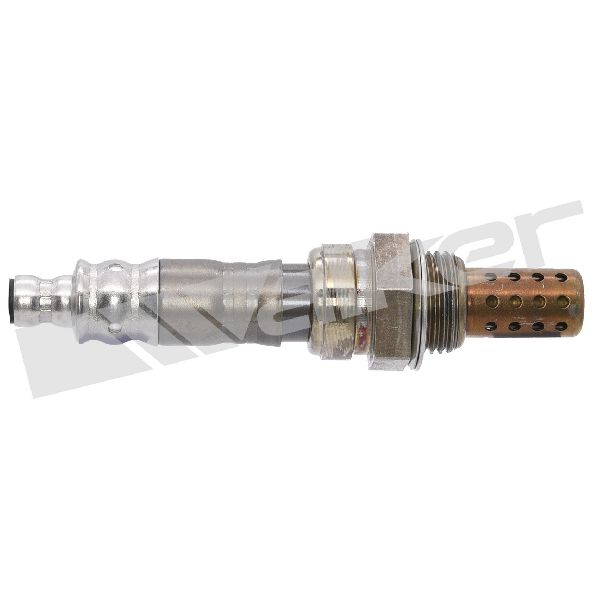
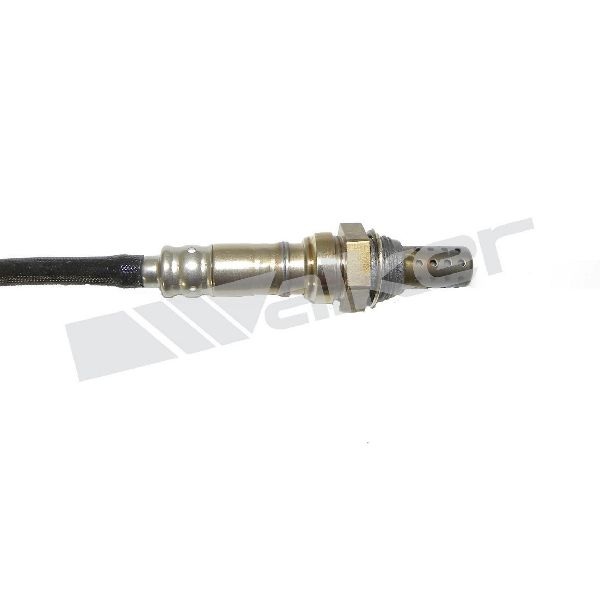
- Economy (Budget Tier): Brands like Walker Products, Spectra, DriveWire, and Hella offer a more budget-friendly option. These can be a good choice if the cost is a primary concern, but their longevity and precision may not match the top-tier brands. They are best suited for temporary fixes or older, higher-mileage vehicles.
Pro Tip: For the critical upstream Air-Fuel Ratio sensor, sticking with Denso or NGK/NTK is highly recommended to ensure your Prius runs at peak efficiency. The downstream sensor is less critical for engine performance but still important for emissions monitoring.
Estimated Costs for Oxygen Sensor Replacement
The cost can vary depending on the brand you choose and whether you do the work yourself or hire a professional.
| Part/Service | Estimated Cost |
|---|---|
| New Aftermarket Oxygen Sensor | $38 - $265 |
| Shop Labor | $172 - $253 |
| Total Professional Replacement | $210 - $518 |
Frequently Asked Questions (FAQ)

Which sensor do I need, upstream or downstream?
Your Prius has two sensors. The upstream sensor (Air-Fuel Ratio Sensor) is located on the exhaust manifold before the catalytic converter. The downstream sensor is located after the catalytic converter. Diagnostic trouble codes (DTCs) from an OBD-II scanner will help you identify which sensor has failed. For example, codes like P0138 and P0141 point to the downstream sensor (Sensor 2).
Is it hard to replace a Prius oxygen sensor myself?
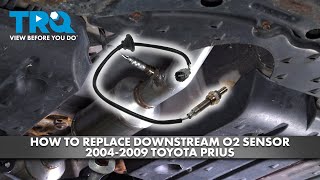
The downstream sensor is relatively easy to replace. It's accessible from under the car, and its wiring harness connector is found inside the passenger cabin by pulling back the carpet. The upstream sensor is much more difficult, requiring the removal of the windshield wipers and cowl assembly to access it from the top of the engine bay. Both jobs require a special oxygen sensor socket.
Are there any recalls for the 2001-2010 Prius oxygen sensor?
A search of the National Highway Traffic Safety Administration (NHTSA) database did not find any specific recalls for oxygen sensors on the 2001-2010 Toyota Prius. Recalls for this vehicle range have focused on other issues.
What happens if I don't replace a bad oxygen sensor?
You can drive with a bad oxygen sensor, but it's not recommended for long. Your fuel economy will suffer, and your car will produce higher emissions. Over time, running with a bad sensor can cause expensive damage to your catalytic converter.
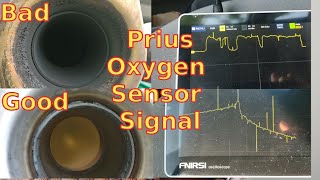
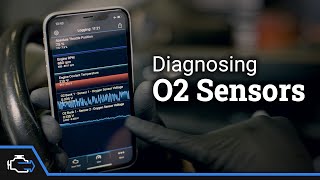
Helpful Videos





Technical Specifications
OEM Part Numbers: 89465-47070 89467-47010 89465-47080
The 2001-2010 Prius uses a heated, 4-wire oxygen sensor. The upstream sensor is a wideband Air-Fuel Ratio type, while the downstream is a standard zirconia type. Direct-fit sensors with the correct connector are strongly recommended over universal-fit types.
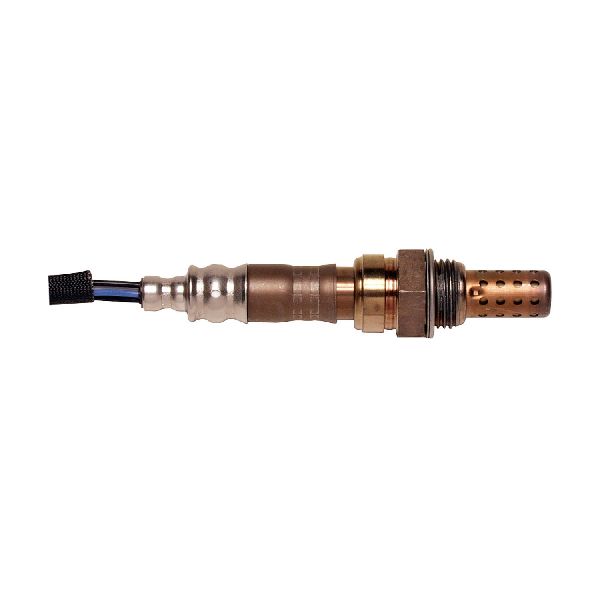
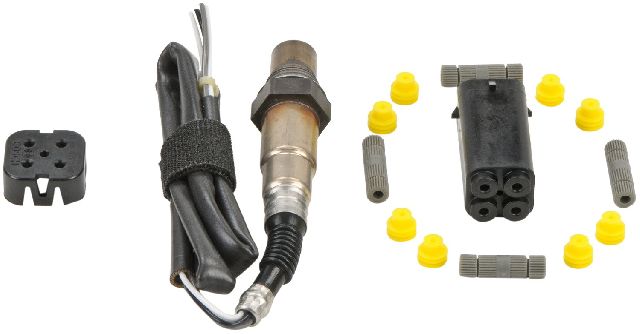
We Have This Part in Stock

The information in this article is provided for general reference and educational purposes only. Vehicle specifications, procedures, and part compatibility can vary by production date, trim level, and region. Always consult your vehicle's factory service manual and verify part numbers before purchasing or performing repairs. Safety-critical components such as airbags, seat belts, and braking systems should be installed by a qualified professional.
- Toyota Prius: