

A Guide to Replacing Oxygen Sensors on Your 2001-2010 Hyundai Santa Fe
Understanding when and how to replace your Santa Fe's O2 sensors can save you fuel and prevent bigger repair bills.
- A bad O2 sensor will decrease fuel economy and can damage expensive catalytic converters if ignored.
- For V6 models, be sure to identify the correct sensor location (Bank 1 vs. Bank 2, Upstream vs. Downstream) before ordering.
- Using a direct-fit sensor from a reputable OE-quality brand like Denso, NGK/NTK, or Bosch is highly recommended for best results.
- Replacing an O2 sensor is a feasible DIY job with the right tool (an O2 sensor socket), but sensors can be difficult to remove if rusted.
Understanding Your Santa Fe's Oxygen Sensors

The 2001-2010 Hyundai Santa Fe came in two main generations, each with different engine options. The first generation (2001-2006) offered a 2.4L 4-cylinder, a 2.7L V6, and a 3.5L V6. The second generation (2007-2010) featured a 2.7L V6 and a larger 3.3L V6. The number and location of oxygen sensors depend on your specific engine. V6 models typically have four sensors, while 4-cylinder models have two.
There are two types of sensors:
- Upstream (Sensor 1): Located before the catalytic converter, this sensor is crucial for adjusting the air-fuel mixture.
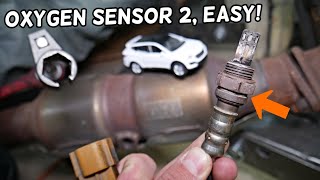
- Downstream (Sensor 2): Located after the catalytic converter, its main job is to monitor the converter's efficiency.
On V6 engines, you'll also have sensors for each cylinder bank:
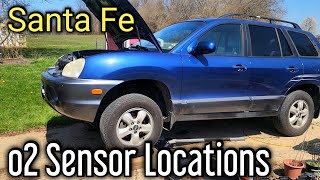
- Bank 1: This is the cylinder bank closer to the firewall (the back of the engine bay).
- Bank 2: This is the cylinder bank closer to the radiator (the front of the engine bay). 🎬 Watch this video to see all four V6 sensor locations.
A common mistake is ordering the wrong sensor. Always verify the exact location (e.g., Bank 1, Sensor 2) before purchasing.
Symptoms of a Failing Oxygen Sensor

A bad O2 sensor won't leave you stranded, but it shouldn't be ignored. The most common sign is the Check Engine Light. Other symptoms include poor fuel economy, a rough idle, engine hesitation or misfires, and a rotten egg or sulfur smell from the exhaust. Ignoring these signs for too long can lead to damage to your catalytic converters, a much more expensive repair.
Known Issues & TSBs
For some early 2.7L V6 models (around 2002-2004), Hyundai issued a Technical Service Bulletin (TSB #03-01-011) related to the titanium-type oxygen sensors. This sometimes required replacing one or both upstream sensors and reprogramming the engine computer. While no specific recalls for oxygen sensors were found for the 2001-2010 range, it's always good to check for any open recalls on your specific vehicle.
Choosing the Right Aftermarket Oxygen Sensor

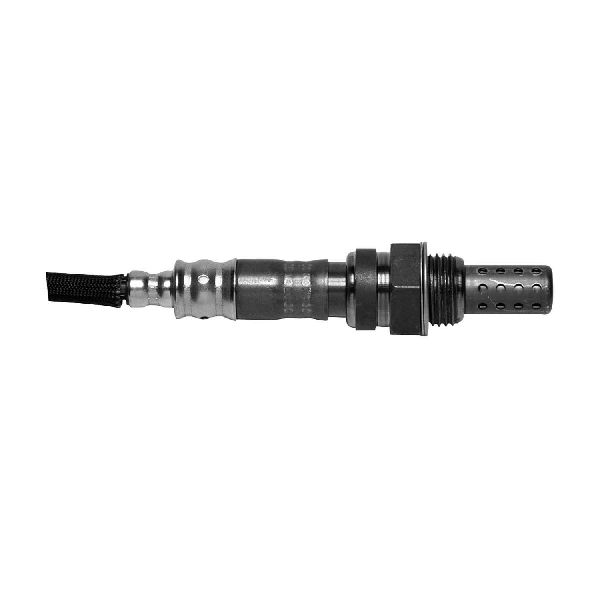
When it comes to aftermarket sensors for your Santa Fe, quality can vary. You don't need to buy the most expensive part, but avoiding the cheapest, no-name brands is a good rule. Brands like Denso, NGK (also known as NTK), and Bosch are often original equipment (OE) suppliers for many automakers, including Hyundai, and are considered top-tier choices. Mando is also a known OE supplier for Hyundai and offers direct-fit replacements.
Brand Tiers for Your Santa Fe
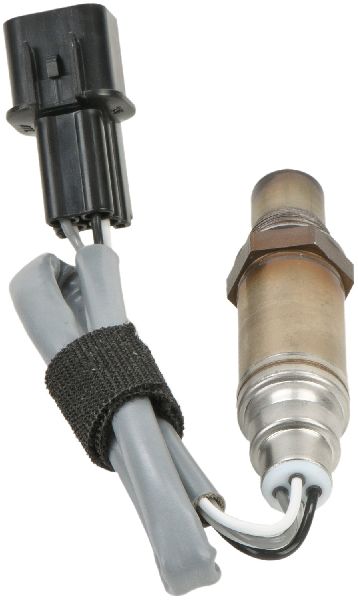
- Premium OE-Quality (Recommended): Denso, NGK/NTK, Bosch. These brands are known for their reliability and are often the original part manufacturer. They are engineered to meet or exceed factory specifications.
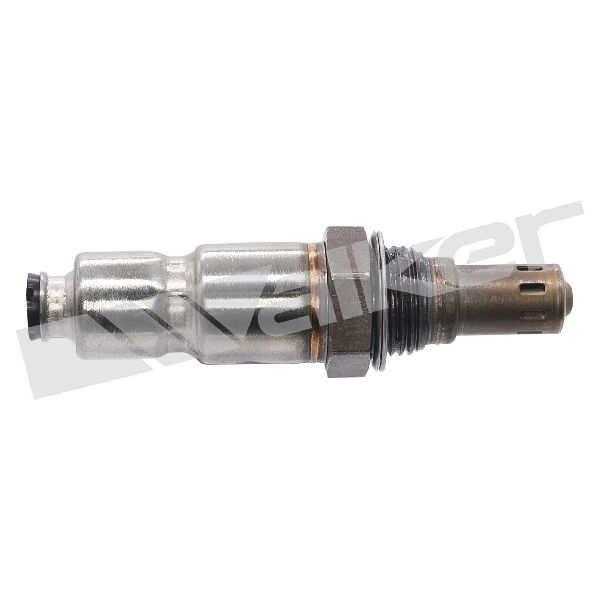
- Quality Aftermarket: Delphi, Walker Products, Hella, Mando. These are reputable brands that offer a good balance of quality and price. Walker, for example, is a leading aftermarket sensor manufacturer.
- Economy: DriveWire, Spectra. These are budget-friendly options. While they can work, some mechanics and owners report a higher chance of premature failure or incompatibility compared to premium brands.
Cost of Replacing an Oxygen Sensor (2001-2010 Hyundai Santa Fe)
| Part Type | Price Range |
|---|---|
| New Aftermarket Oxygen Sensor | $25 - $240 |
| Shop Labor | $80 - $150 per sensor |
| Total Estimated Cost (DIY) | $25 - $240 |
| Total Estimated Cost (Shop) 🎬 Learn how to replace a downstream sensor on 2007-2010 models. | $105 - $390 |
Prices are estimates and can vary based on location, sensor position, and specific part brand.
Frequently Asked Questions

How many oxygen sensors does my Santa Fe have?
It depends on the engine. The 4-cylinder engines typically have two (one upstream, one downstream). The V6 engines (2.7L, 3.3L, 3.5L) usually have four: an upstream and a downstream sensor for each cylinder bank.
Can I replace just one oxygen sensor?
Yes. You only need to replace the sensor that has failed. A diagnostic scan tool can read the specific trouble code (like P0134 for Bank 1 Sensor 1) to tell you exactly 🎬 See how to locate and replace the Bank 1 Sensor 2. which one to replace.
What tools do I need to replace an O2 sensor?
You will need a special oxygen sensor socket, which has a slot for the wire to pass through. You'll also need a ratchet and potentially some penetrating lubricant if the old sensor is rusted in place. It's recommended to let the exhaust cool down completely before starting.
Should I buy a 'universal' sensor or a 'direct-fit' sensor?
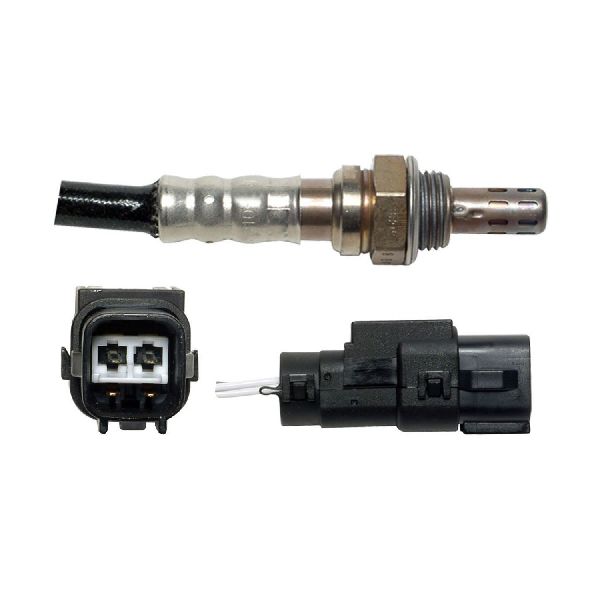
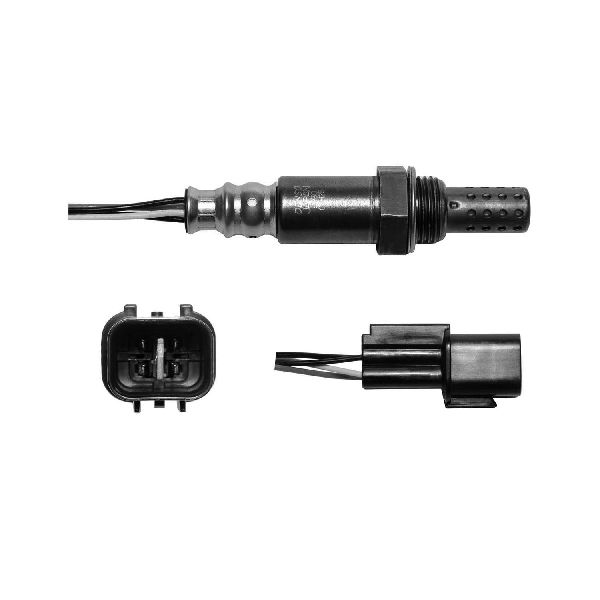
Always choose a direct-fit sensor. Universal sensors require you to cut and splice wires from your old sensor's connector. This can lead to connection problems. Direct-fit sensors come with the correct plug for your Santa Fe and are much easier and more reliable to install.
How long do oxygen sensors last?
Oxygen sensors are a normal wear-and-tear item. They typically last between 60,000 and 100,000 miles. Contamination from oil or coolant leaks can cause them to fail sooner.
Helpful Videos

Technical Specifications
OEM Part Numbers: 39210-3E210 39210-2G150 392102G200 392102G400
Number of sensors varies by engine (2 for I4, 4 for V6). Sensors are specific to position (Upstream/Downstream, Bank 1/Bank 2). Direct-fit connectors are recommended. Most sensors are a 4-wire heated type.
We Have This Part in Stock


The information in this article is provided for general reference and educational purposes only. Vehicle specifications, procedures, and part compatibility can vary by production date, trim level, and region. Always consult your vehicle's factory service manual and verify part numbers before purchasing or performing repairs. Safety-critical components such as airbags, seat belts, and braking systems should be installed by a qualified professional.
- Hyundai Santa Fe: