

Freightliner Coronado (2001-2010) Radiator Coolant Hose Replacement Guide
Keep your Coronado's engine cool and prevent costly downtime by knowing when and how to replace your radiator hoses.
- A leaking or damaged radiator hose requires immediate attention to prevent catastrophic engine failure from overheating.
- High-quality aftermarket brands like Dayco and Gates are reliable and cost-effective replacements for the Coronado's OEM hoses.
- Always replace hose clamps when installing new hoses to ensure a leak-free seal; constant-tension clamps are recommended.
- Proactively replacing hoses every 4-5 years is a smart maintenance strategy to avoid unexpected downtime on the road.
Signs of a Failing Radiator Hose
A bad radiator hose on your Coronado is a problem you can't afford to ignore. Catching a failing hose early can save you from a breakdown on the road. Inspect your hoses regularly for these clear warning signs:
- Visible Coolant Leaks: Puddles of green, orange, or pink fluid under the front of your truck are the most obvious sign. You might also see a crusty residue around the hose ends or smell a sweet odor after the engine has been running.
- Engine Overheating: If your temperature gauge suddenly climbs into the red, a leaking or collapsed hose could be the cause. A collapsed hose can restrict coolant flow even if it's not actively leaking.
- Physical Hose Damage: When the engine is cool, squeeze the hoses. A good hose feels firm but flexible. Hoses that are cracked, brittle, bulging, or feel soft and spongy are failing and need immediate replacement.
- Collapsed Lower Hose: Sometimes, the lower radiator hose may appear sucked inward or flat, especially after the engine cools. This can be a sign of a bad radiator cap that isn't allowing air back into the system, creating a vacuum.
Critical Warning: Overheating
Never continue to operate your truck if it is overheating. A leaking radiator hose can cause a complete loss of coolant, leading to catastrophic engine damage like a cracked block or warped cylinder head within minutes.
Choosing the Right Aftermarket Hose: Dayco vs. Gates
For the 2001-2010 Freightliner Coronado, both Dayco and Gates are widely available and reputable aftermarket brands. There is no universal "better" brand, as quality is comparable and experiences can vary. The most important factor is ensuring a perfect fit for your specific engine and year.
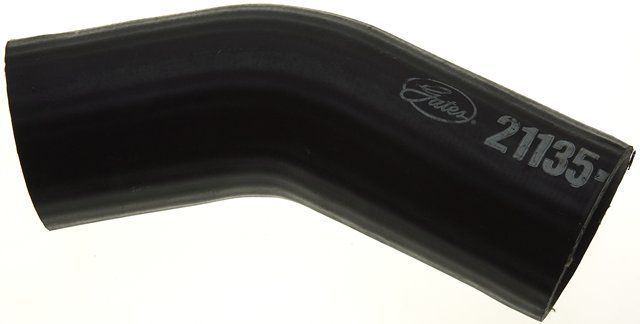
- Gates: Often considered a top-tier aftermarket brand. Some mechanics prefer Gates due to historically accurate cataloging and consistent fitment.
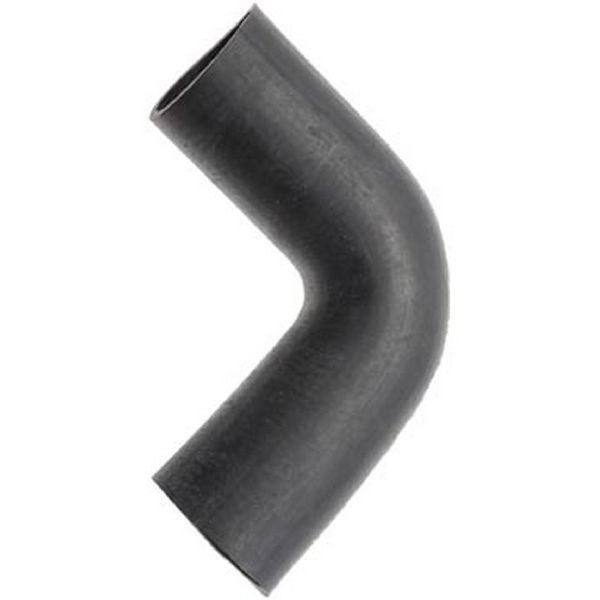
- Dayco: A strong competitor, also known for quality products. Some users have noted that Dayco hoses can feel slightly thicker than competitors.
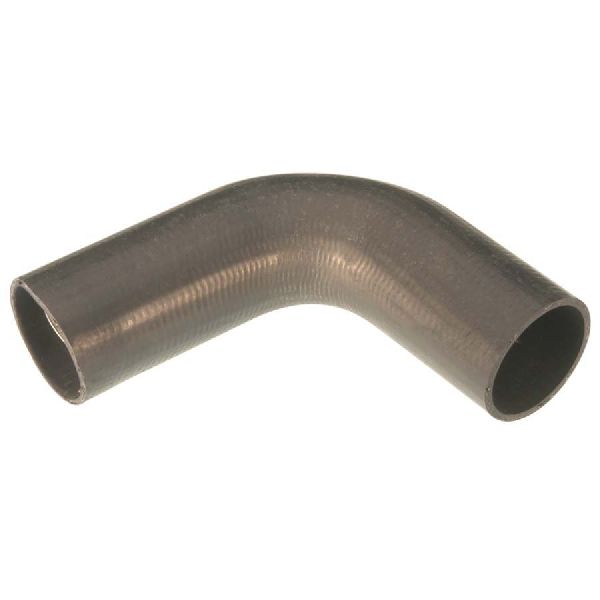
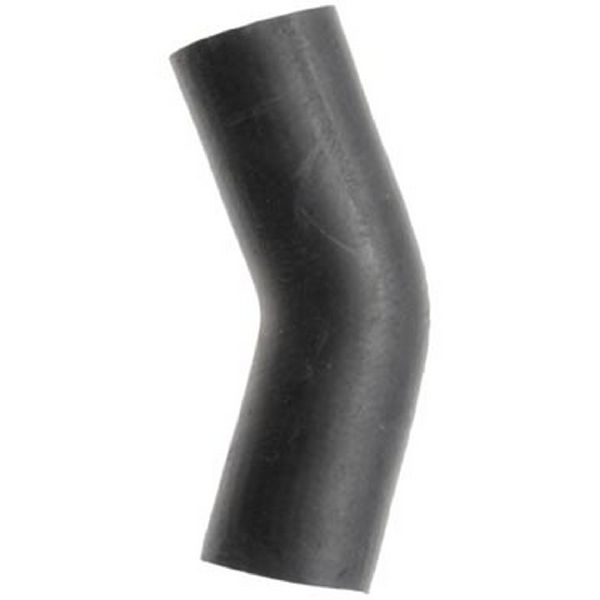
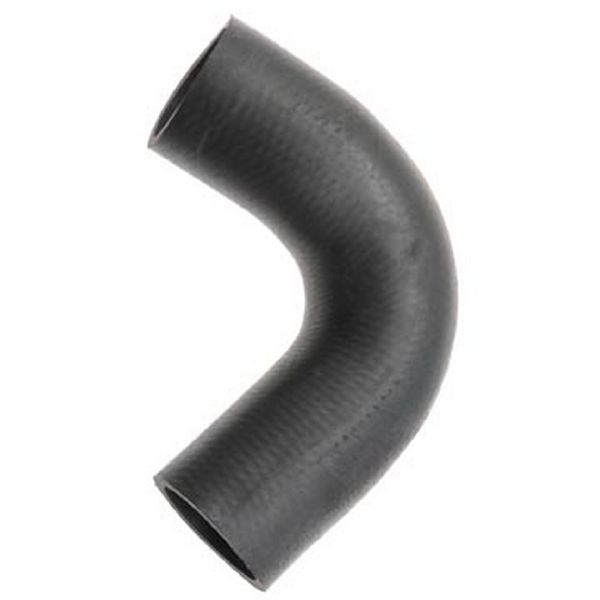
Pro Tip: When choosing between brands, the priority should be fitment. Compare the new hose to the old one before installation. The bends and length should match the original part perfectly to prevent kinks or stress. An improperly shaped hose can lead to premature failure.
Known Issues for Freightliner Coronado
While no recalls exist specifically for the radiator hoses on the 2001-2010 Coronado, Freightliner has issued Technical Service Bulletins (TSBs) related to the cooling system that are worth noting:
- TSB 20-40 & 20-46: Freightliner released information regarding new-style coolant hose clamps and proper torque values. This indicates that using the correct, high-quality clamps and tightening them properly is critical to prevent leaks at the connection points, a common failure area on these trucks.
- TSB 20-72: This bulletin applies to some later model EPA10 Coronados and addresses cracks in the radiator's metal coolant tubes, not the rubber hoses. However, it highlights that the cooling system on these trucks is under significant stress.
Cost to Replace a Radiator Hose on a 2001-2010 Freightliner Coronado
| Part Type | Price Range |
|---|---|
| New Aftermarket Hoses (Dayco, Gates) | $28.06 - $101.28 |
| Shop Labor | $200 - $400 |
Cost estimates are for parts and labor and may vary by location and shop. It is highly recommended to replace both upper and lower hoses at the same time.
Frequently Asked Questions (FAQ)
Should I replace the hose clamps at the same time?
Yes, absolutely. Old clamps can lose tension or corrode, leading to leaks even with a new hose. For best results, use new constant-tension spring clamps, which are often recommended over standard worm-drive clamps because they maintain pressure as the hose material expands and contracts with temperature changes.
If one hose is bad, should I replace them all?
Yes. Radiator hoses are exposed to the same harsh conditions. If one has failed due to age and wear, the others are likely near the end of their service life. Replacing the upper and lower hoses simultaneously is a smart preventive measure that can save you from another breakdown.
Why is my new hose leaking at the connection?
If a new hose leaks, first check that the clamp is new and properly tightened. Next, inspect the plastic or metal connection point (the radiator inlet/outlet or engine water neck) for any cracks, corrosion, or warping that could prevent a good seal. The constant vibration on a heavy-duty truck can wear these surfaces over time.
Can I install a radiator hose myself?
For an experienced mechanic, this is a manageable job. However, on a Freightliner Coronado, access can be more difficult than on a passenger car, sometimes requiring removal of the bumper or other components to fully access the radiator area. The cooling system also holds a large volume of fluid that must be drained and refilled correctly. If you are not comfortable with this process, it is best to have it done by a professional shop.
Technical Specifications
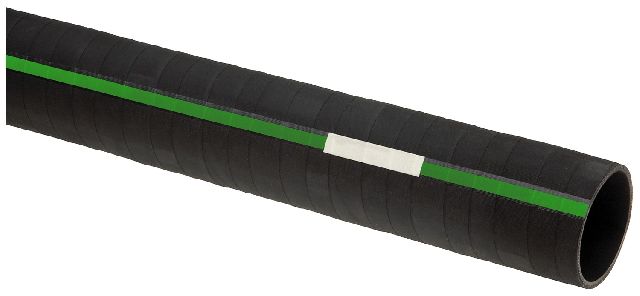
Hose material is typically EPDM rubber, designed to resist heat, ozone, and chemical degradation. Hoses are pre-molded to fit specific engine configurations (e.g., Detroit Diesel, Caterpillar, Cummins) within the Coronado chassis.
We Have This Part in Stock

The information in this article is provided for general reference and educational purposes only. Vehicle specifications, procedures, and part compatibility can vary by production date, trim level, and region. Always consult your vehicle's factory service manual and verify part numbers before purchasing or performing repairs. Safety-critical components such as airbags, seat belts, and braking systems should be installed by a qualified professional.
- Freightliner Coronado: