

A Guide to Oxygen Sensors for the 2001-2010 Dodge Ram 1500
Keep your Ram's engine running efficiently by understanding and replacing a faulty oxygen sensor.
- Prioritize NTK or Denso brands for best compatibility with your Ram's computer.
- Your truck likely has four sensors; identify the correct location (Bank 1/2, Upstream/Downstream) before ordering.
- Replacing sensors can be difficult due to rust and tight access, especially for upstream sensors on V8 models.
- Ignoring a bad O2 sensor can lead to a failed emissions test and expensive catalytic converter damage.
Is Your Ram's Oxygen Sensor Failing?

When an oxygen (O2) sensor starts to go bad, your truck will usually let you know. The most obvious sign is an illuminated Check Engine Light on your dashboard. You might also notice your truck is using more gas than usual. Other common symptoms include a rough idle, engine hesitation or misfires, and a loss of power. In some cases, you may smell a rotten egg or sulfur odor from the exhaust, which indicates a problem with the air-fuel mixture. Ignoring a bad O2 sensor can lead to more expensive problems, including damage to your catalytic converters.
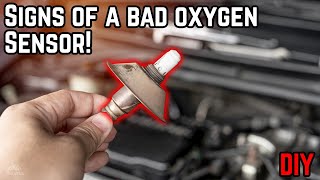
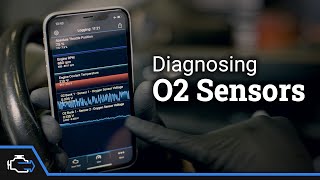
🎬 Watch: Signs, symptoms, and diagnosis of a bad oxygen sensor.Don't Ignore the Signs
Driving for an extended period with a bad oxygen sensor can cause serious damage. The engine running too rich (too much fuel) can overheat and destroy the catalytic converter, a much more expensive repair.
Choosing the Right Aftermarket O2 Sensor

When it comes to sensors, not all aftermarket brands are created equal, and Dodge trucks can be particular about the electronics they use. It's often best to stick with brands that are known to be Original Equipment (OE) suppliers.
Brand Quality Tiers for Dodge Ram 1500
- Premium / OE-Equivalent (Recommended): Brands like NTK (which is the sensor brand from NGK) and Denso are frequently the original equipment manufacturers for Chrysler vehicles. Choosing one of these is the closest you can get to a Mopar dealer part without the higher price tag. They are widely recommended on forums for their reliability and compatibility with Ram trucks.
- Reputable Aftermarket: Bosch invented the modern O2 sensor and is a huge OE supplier worldwide. However, some Ram owners report that these trucks can be picky and occasionally have issues with aftermarket Bosch sensors, even though they work perfectly in other vehicles. Brands like Walker Products also fall into this category, offering a balance of quality and price.
- Budget-Friendly: Brands such as DriveWire and Spectra offer a lower-cost alternative. While they may meet basic specifications, their long-term reliability and sensor accuracy may not match the premium brands. For the critical upstream sensors that control your engine's fuel mix, investing in a premium brand is highly recommended.
Common Ordering Mistakes
Your Ram has multiple O2 sensors. Be sure to order the correct one. They are not all interchangeable. Check these details:
- Location: Is it Upstream (before the catalytic converter, also called Sensor 1) or Downstream (after the converter, also called Sensor 2)?
- Bank: On V8 engines, Bank 1 is the driver's side and Bank 2 is the passenger's side.
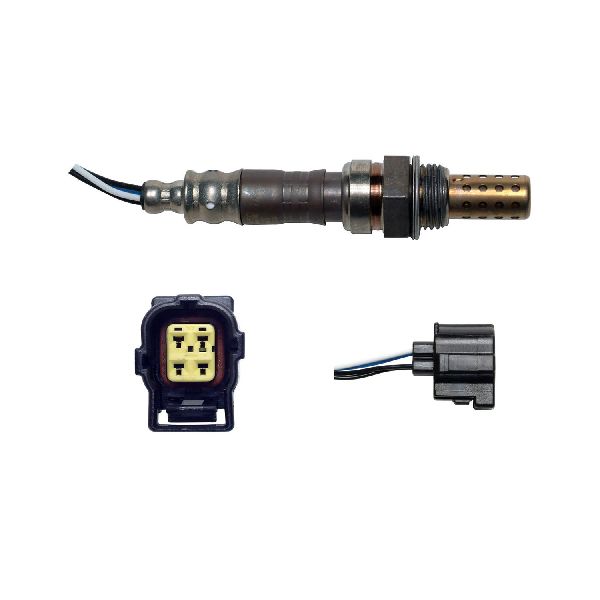
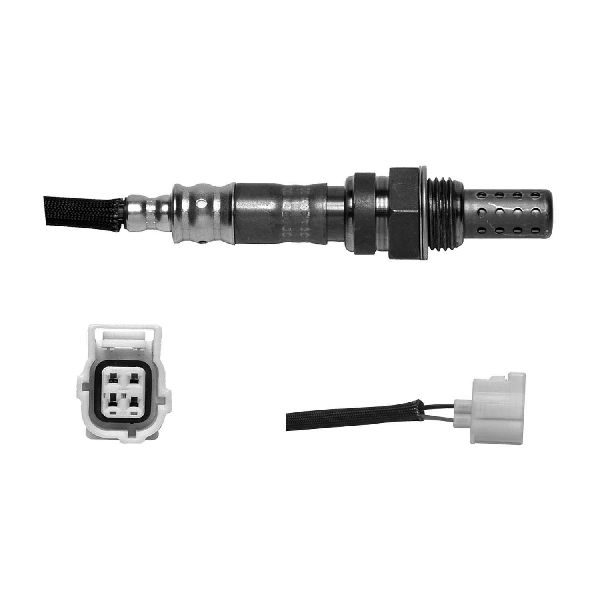
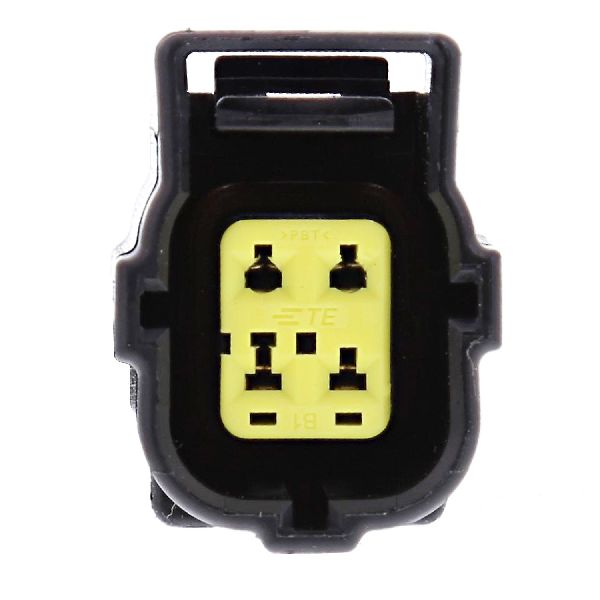
- Wire Length & Connector: Sensors for different locations have different wire lengths and sometimes different connectors. Always verify the part fits your specific location.
Cost of Replacing a Dodge Ram 1500 Oxygen Sensor
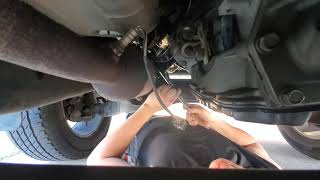
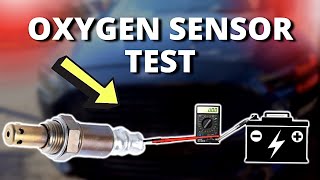
The cost can vary depending on the brand you choose and whether you do the work yourself. 🎬 Follow this walkthrough to change the sensors on your Hemi. The price for a single sensor can range from around $25 to over $200.
| Item | Estimated Cost |
|---|---|
| New Aftermarket Oxygen Sensor | $24.52 - $208.76 |
| Shop Labor | $100 - $250 |
| Total Estimated Cost | $125 - $450 |
Frequently Asked Questions

How many oxygen sensors does my 2001-2010 Ram 1500 have?
Most 3rd Generation Rams (2002-2008) and early 4th Gens (2009-2010) with a V8 engine have four O2 sensors. There is one upstream and one downstream sensor for each side of the exhaust (Bank 1 and Bank 2). The 2001 model, being the last of the 2nd Generation, may have only two sensors depending on its original emissions configuration. Always confirm the number for your specific truck.
What's the difference between an upstream and a downstream sensor?
The upstream sensor (Sensor 1) is located in the exhaust manifold or pipe before the catalytic converter. It is the most important sensor for engine performance, as it provides the primary data for adjusting the air-fuel ratio. The downstream sensor (Sensor 2) is located after the catalytic converter and its main job is to monitor the converter's efficiency. If a downstream sensor fails, it will trigger a check engine light but won't typically affect how the engine runs.
Can I use a cheaper "universal" oxygen sensor?
Universal sensors require you to cut the old connector off and splice it onto the new sensor's wires. While they are cheaper, this introduces a potential point of failure. Given that Ram trucks can be sensitive to sensor signals, it is highly recommended to use a direct-fit sensor with the correct plug for your specific truck. The small savings are often not worth the potential for wiring problems and incorrect readings.
Why is my check engine light still on after replacing the sensor?
There are a few possibilities. First, the diagnostic trouble code (DTC) needs to be cleared from the engine computer with a scan tool. Sometimes, disconnecting the battery for about 30 minutes will also reset the computer. If the light comes back, you may have another issue. It could be a problem with the wiring, a different sensor, a vacuum leak, or the new sensor itself could be faulty, especially if it's a brand the truck's computer doesn't like. It's also possible the O2 sensor code was a symptom of another problem, not the root cause.
Helpful Videos
Technical Specifications
OEM Part Numbers: 56041698AA 56041706AA 56029049AA 5149180AA
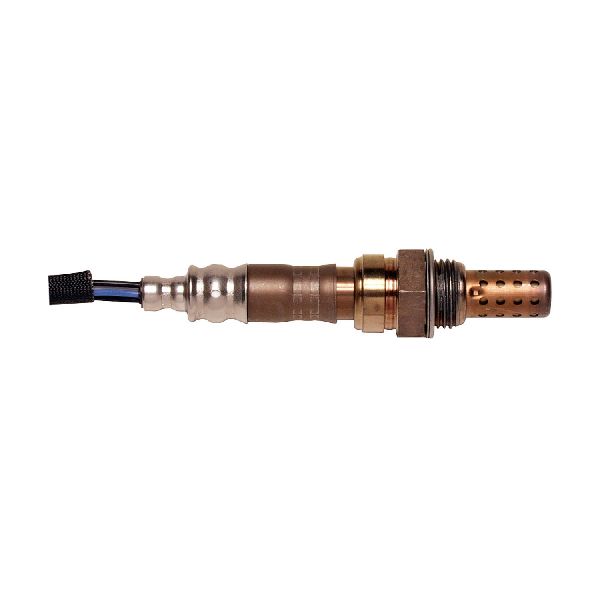
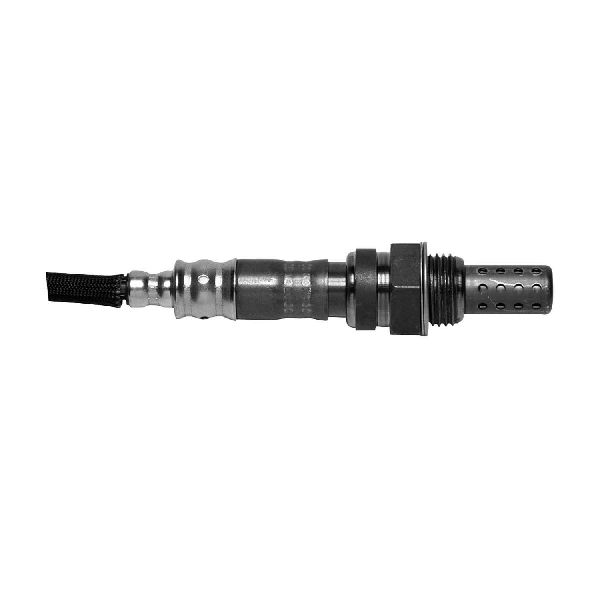
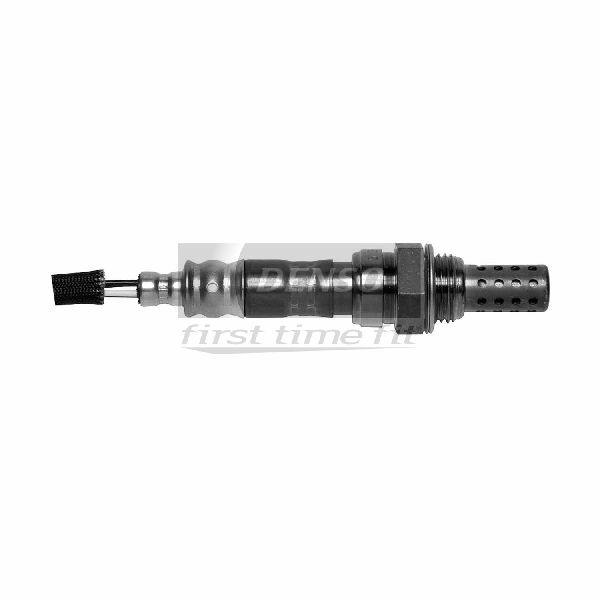
Most models use four heated, 4-wire oxygen sensors. The specific sensors are designated as Bank 1 Sensor 1 (Upstream Driver Side), Bank 1 Sensor 2 (Downstream Driver Side), Bank 2 Sensor 1 (Upstream Passenger Side), and Bank 2 Sensor 2 (Downstream Passenger Side). A 22mm or 7/8" wrench or specialized O2 sensor socket is required for removal.
We Have This Part in Stock

The information in this article is provided for general reference and educational purposes only. Vehicle specifications, procedures, and part compatibility can vary by production date, trim level, and region. Always consult your vehicle's factory service manual and verify part numbers before purchasing or performing repairs. Safety-critical components such as airbags, seat belts, and braking systems should be installed by a qualified professional.
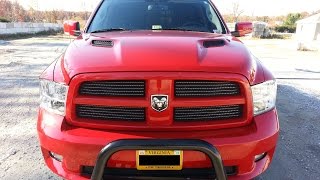
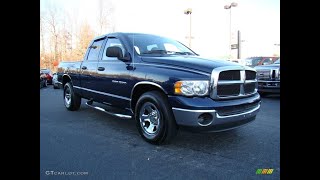
- Dodge Ram 1500: