

A Guide to Oxygen Sensor Replacement for the 2001-2010 Chrysler PT Cruiser
Solve your check engine light and improve gas mileage by choosing the right oxygen sensor for your PT Cruiser.
- Your PT Cruiser has two O2 sensors; confirm if you need the upstream (before converter) or downstream (after converter) part before ordering.
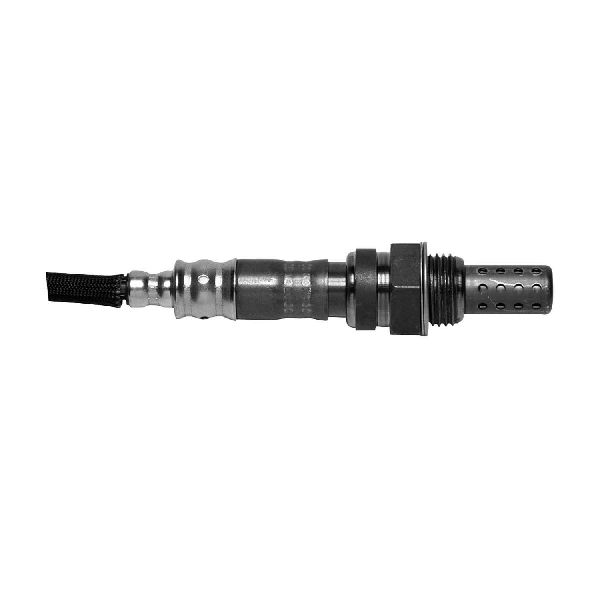
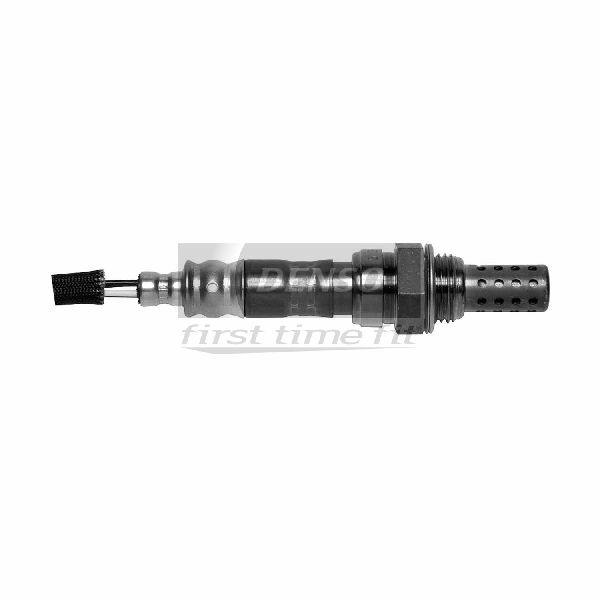
- Denso and NGK/NTK are the most recommended aftermarket brands as they are often the original equipment supplier for Mopar.
- Before replacing a sensor for a heater circuit code (P0135/P0141), check for oil leaking from the oil pressure switch and contaminating the wiring harness.
- Using a special slotted oxygen sensor socket will make the replacement job significantly easier.
Is Your PT Cruiser's Oxygen Sensor Failing?


A failing oxygen sensor is a common issue that will almost always trigger your check engine light. 🎬 Watch: How to retrieve error codes from your dashboard Besides the light on your dash, you might notice your gas mileage getting worse, the engine idling roughly, or a general loss of power. These symptoms occur because the engine's computer is getting bad information and can't properly manage the fuel mixture. Ignoring a bad O2 sensor can lead to a failed emissions test and, in the long run, can damage your expensive catalytic converter.
A Common PT Cruiser Problem: Check This First!
Before you buy new sensors, check your engine for oil leaks, specifically from the oil pressure sensor/switch. On many Chrysler products, a leaking oil pressure switch can drip oil into the wiring harness. This oil can travel through the wires and contaminate the oxygen sensor connectors, causing false error codes like P0135 or P0141. 🎬 See how to fix common heater circuit sensor codes If the connectors are full of oil, you may need to fix the leak and clean or replace the wiring harness connector, not just the O2 sensor.
Choosing the Right Aftermarket Oxygen Sensor

When shopping for a new oxygen sensor, it's crucial to know if you need the upstream or downstream one. They are in different locations and are not interchangeable. The upstream sensor is on the exhaust manifold, while the downstream sensor is under the car after the catalytic converter. For Chrysler vehicles, sticking close to the original equipment (OEM) design is often the safest bet to avoid compatibility issues.
Brand Quality Tiers for Your PT Cruiser
- OEM-Equivalent (Recommended): Brands like Denso and NGK (also sold as NTK) are widely considered to be the original manufacturers for Mopar parts. Choosing one of these is the closest you can get to buying a part from the dealer without the high price tag. They are highly recommended by mechanics and PT Cruiser owners for their reliability and perfect fit.
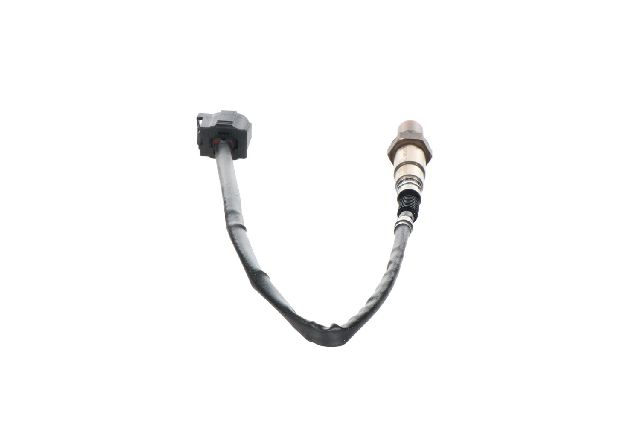
- Quality Aftermarket: Bosch and Delphi are well-known brands that produce quality sensors. However, some Chrysler owners have reported issues with Bosch sensors having different warm-up characteristics, which can sometimes cause check engine light problems. While many have success with them, Denso or NGK are generally a safer choice for this specific vehicle.
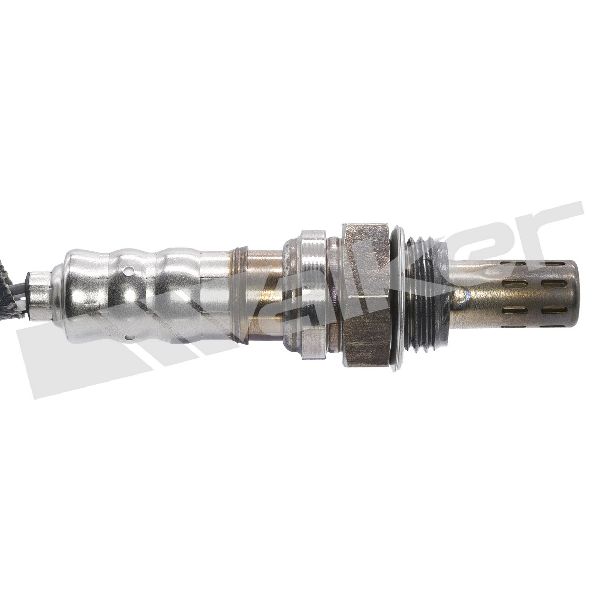
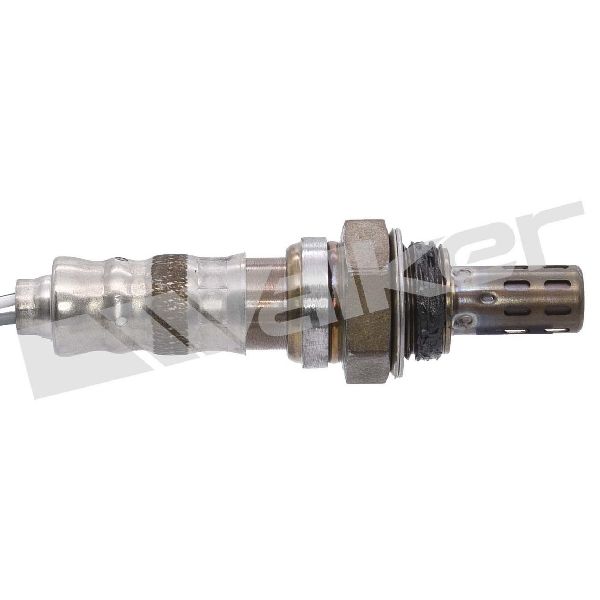
- Budget-Friendly: Brands like Walker Products, DriveWire, and Crown Automotive offer a more affordable option. These can be a good choice if budget is your main concern, but they may not offer the same longevity or precise calibration as the OEM-equivalent brands.
Pro Tip: Many aftermarket sensors come with anti-seize compound already applied to the threads. If yours doesn't, be sure to apply a small amount to the new sensor's threads before installation, being careful not to get any on the sensor tip itself. This will make it much easier to remove in the future.
Estimated Costs for Oxygen Sensor Replacement
| Part Type | Estimated Cost |
|---|---|
| New Aftermarket Oxygen Sensor | $39 - $146 |
| New OEM (Mopar) Oxygen Sensor | $90 - $200+ |
| Shop Labor Cost | $80 - $150 |
Cost estimates are for a single sensor and may vary based on location and specific vehicle configuration.
Frequently Asked Questions

How many oxygen sensors does a 2001-2010 PT Cruiser have?
All 2001-2010 PT Cruisers with the 4-cylinder engine have two oxygen sensors: one upstream and one downstream.
What is the difference between an upstream and a downstream O2 sensor?
The upstream sensor (Bank 1, Sensor 1) is located before the catalytic converter and reads the raw exhaust to help the engine adjust its air-fuel mixture. The downstream sensor (Bank 1, Sensor 2) is located after the catalytic converter and monitors its performance to ensure it's cleaning the exhaust properly.
Can I clean my old oxygen sensor?
While some people attempt to clean O2 sensors, it is generally not a reliable or long-term fix. The sensing elements become contaminated and worn out internally over time. Replacement is the recommended repair to ensure proper function and turn off the check engine light for good.
Do I need a special tool to replace a PT Cruiser oxygen sensor?
A special tool called an oxygen sensor socket is highly recommended. It looks like a deep socket with a slot cut down the side for the wire to pass through. Using one makes the job much easier, especially in tight spaces. You can often rent this tool from an auto parts store.
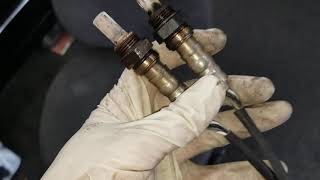
🎬 Watch this step-by-step walkthrough for replacing both sensorsHelpful Videos

Technical Specifications
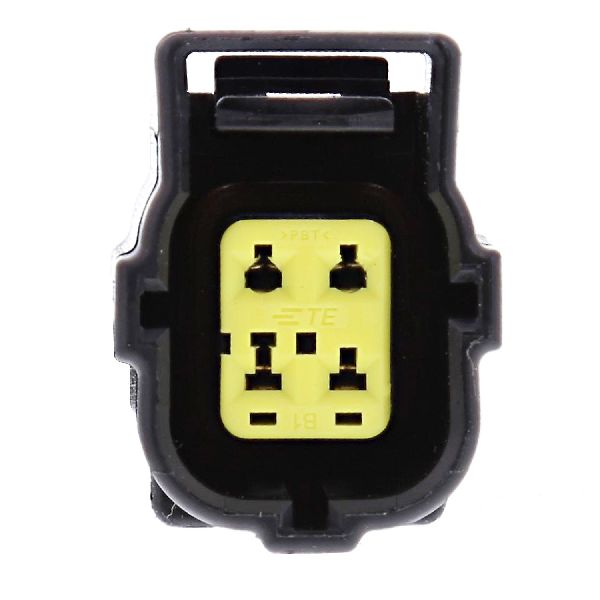
Number of Sensors: 2 (1 Upstream, 1 Downstream). Thread Size: M18x1.5. Connector types and wire lengths vary between upstream and downstream sensors.
We Have This Part in Stock

The information in this article is provided for general reference and educational purposes only. Vehicle specifications, procedures, and part compatibility can vary by production date, trim level, and region. Always consult your vehicle's factory service manual and verify part numbers before purchasing or performing repairs. Safety-critical components such as airbags, seat belts, and braking systems should be installed by a qualified professional.
- Chrysler PT Cruiser: