

Chrysler PT Cruiser Engine Coolant Temperature Sensor Guide (2001-2010)
Understanding the signs of a failing coolant sensor in your PT Cruiser and how to choose the right replacement.
- A bad sensor can cause overheating, poor fuel economy, and a Check Engine Light.
- Replacement is a simple, low-cost DIY job for most PT Cruiser owners.
- Quality aftermarket brands like Delphi, NGK, and Febi are reliable and cost-effective alternatives to the OEM part.
- Early model PT Cruisers (2001-2005) were known for sensors that could leak internally; consider it a preventative maintenance item.
Symptoms of a Failing PT Cruiser Coolant Sensor
When the coolant temperature sensor starts to fail, it can send incorrect signals to your car's computer, leading to a range of problems. Early PT Cruisers, in particular, were known to have sensors that could leak coolant internally into the electrical connector, causing a short circuit. Being aware of the symptoms can help you diagnose the issue before it causes more serious trouble.
Common Failure Symptoms:
- Check Engine Light: A faulty sensor will often trigger a Check Engine Light. Common codes include P0117 (low input) and P0118 (high input). 🎬 See a detailed explanation of the P0118 trouble code.
- Engine Overheating: If the sensor falsely reads cold, it may not signal the cooling fans to turn on when needed, leading to overheating, especially at idle. 🎬 Watch how a bad sensor prevents cooling fans from activating.
- Poor Fuel Economy: A sensor stuck on a "cold" reading can make the computer enrich the fuel mixture, causing the engine to burn more gas than necessary.
- Black Smoke from Exhaust: An overly rich fuel mixture can result in unburnt fuel burning in the exhaust, creating black smoke.
- Cooling Fans Run Constantly: If the sensor fails and sends a permanent "hot" signal, the cooling fans might stay on all the time, even when the engine is cold.
- Rough Idle or Hard Starting: Incorrect fuel and timing adjustments from a bad sensor reading can lead to poor idling and difficulty starting the engine.
Choosing the Right Aftermarket Sensor
For the 2001-2010 PT Cruiser, several reliable aftermarket brands offer quality replacement sensors that meet or exceed original equipment (OE) specifications. Since the OEM Mopar part is often more expensive, a quality aftermarket part provides a cost-effective and dependable solution. There is no significant difference in quality between OEM and top-tier aftermarket sensors for this specific part.
Brand Quality Tiers
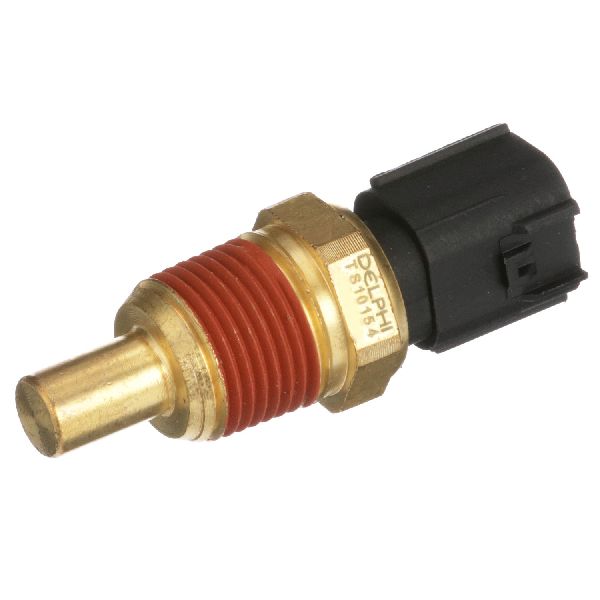
- Premium Aftermarket (OEM-level Quality): Brands like Delphi and NGK (NTK) are well-regarded for their OE heritage and quality. They use robust materials and manufacturing processes to ensure accurate readings and long life.
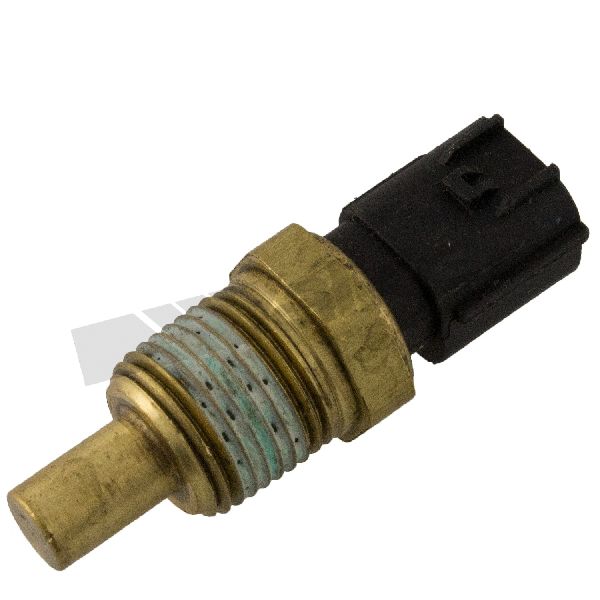
- Standard Aftermarket (Reliable & Recommended): Brands such as Febi, Standard Ignition (SMP), and Walker Products offer a great balance of quality and value. They are manufactured to OE specifications and are a popular choice for repairs. A Reddit user noted a negative experience with a Motorad thermostat, suggesting that for critical cooling parts, sticking to established or OEM brands might be safer.
- Economy Options: Brands like Global Parts and True Tech provide budget-friendly options that will restore function. While they meet basic requirements, their long-term durability may not match that of premium brands.
Pro Tip: When replacing the sensor, it's a good idea to also inspect the electrical connector for corrosion or damage. Some sensors come in a kit with a new pigtail connector, which is a good investment if the original is in poor shape.
Typical Replacement Costs
Replacing the coolant temperature sensor on a PT Cruiser is an affordable repair. The part itself is inexpensive, and labor is minimal due to its accessibility.
| Item | Estimated Cost |
|---|---|
| New Aftermarket Sensor | $13 - $31 |
| New OEM (Mopar) Sensor | $45 - $70 |
| Shop Labor | $50 - $100 |
| Total (DIY) | $13 - $31 |
| Total (Shop) | $63 - $170 |
Frequently Asked Questions
Where is the engine coolant temperature sensor located on a PT Cruiser?
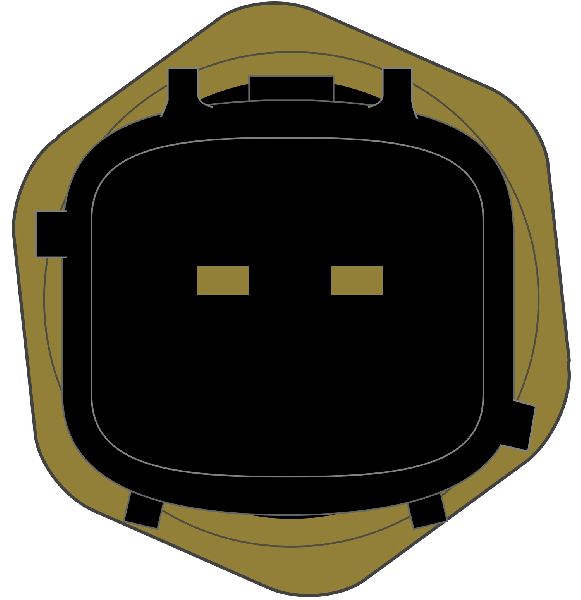
The ECT sensor is located on the thermostat housing. On most PT Cruisers, this is on the driver's side of the engine, below the air intake tube. You will see a two-wire electrical connector plugged into it.
Can I replace the PT Cruiser coolant sensor myself?
Yes, this is a very DIY-friendly job. The sensor is easy to access and requires basic tools. The process 🎬 Watch this complete walkthrough for replacing the sensor and thermostat. involves partially draining the coolant, unplugging the old sensor, unscrewing it, and then installing the new one. You must then top off the coolant and bleed any air from the system.
What happens if I don't replace a bad coolant sensor?
Ignoring a faulty sensor can lead to engine overheating, which may cause severe damage like a warped cylinder head. It can also cause persistently poor fuel economy, failed emissions tests, and poor engine performance. Given the low cost of the part, it's best to replace it as soon as it's diagnosed as faulty.
Is there a recall on the PT Cruiser coolant temperature sensor?
No, there are no specific recalls issued by the NHTSA for the engine coolant temperature sensor on the 2001-2010 Chrysler PT Cruiser. The issues are generally addressed through individual repairs.
Helpful Videos


Technical Specifications
OEM Part Numbers: 5269870AB 05269870AB
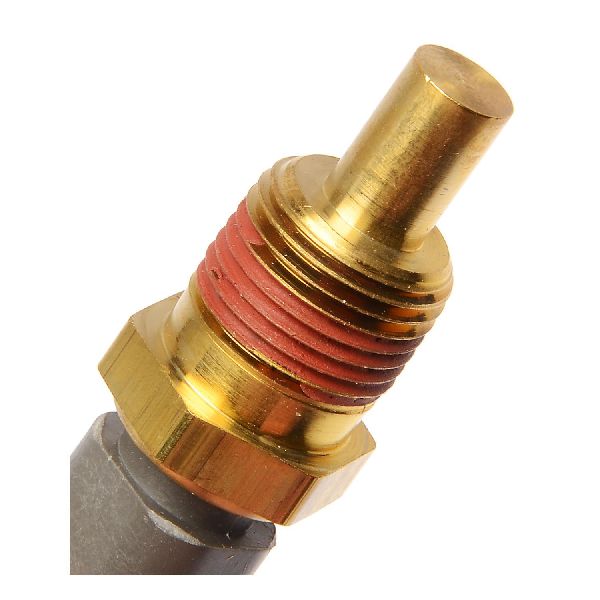
2-pin connector, push-in style with o-ring seal.
We Have This Part in Stock


The information in this article is provided for general reference and educational purposes only. Vehicle specifications, procedures, and part compatibility can vary by production date, trim level, and region. Always consult your vehicle's factory service manual and verify part numbers before purchasing or performing repairs. Safety-critical components such as airbags, seat belts, and braking systems should be installed by a qualified professional.
- Chrysler PT Cruiser: