

Catalytic Converter Guide for the 2001-2010 Audi A4 Quattro
Everything you need to know before replacing the catalytic converter on your B6, B7, or B8 Audi A4 Quattro.
- A P0420 Check Engine Light is the most common symptom, but you must fix the root cause (like oil burning or misfires) before replacing the part.
- Aftermarket converters can save you thousands, but stick to higher-tier brands like MagnaFlow or Walker to avoid fitment issues and recurring check engine lights on your Audi.
- You must buy a converter that matches your state's emissions laws (Federal EPA vs. CARB) and your car's specific engine and year.
- This is a difficult DIY job due to rusted bolts and tight spaces; professional installation is recommended for most owners.
Is Your Audi A4 Quattro's Catalytic Converter Failing?

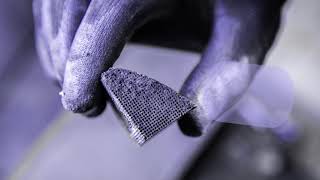
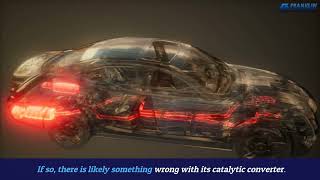
A failing catalytic converter can cause serious problems for your Audi. The most common sign is a Check Engine Light, often with code P0420. You might also notice a rotten egg smell from the exhaust, poor acceleration, and reduced fuel economy. 🎬 Watch: 7 signs your Audi's catalytic converter is giving up In severe cases, a completely clogged converter can create so much backpressure that your engine may struggle to run or even fail to start.
Don't Ignore the Root Cause
Catalytic converters usually don't fail on their own. Failure is almost always a symptom of another engine problem. The 2.0T engines in this generation are known for oil consumption issues, which can poison the converter. Other causes include engine misfires, faulty oxygen sensors, or leaky fuel injectors which dump unburned fuel into the exhaust, causing the converter to overheat and melt internally. Always diagnose and fix the underlying issue before installing a new converter, or the new part will fail quickly.
Choosing the Right Aftermarket Converter

When replacing your converter, you have a choice between Original Equipment (OEM) from Audi and various aftermarket brands. OEM parts are extremely expensive, often costing over $2,000. Aftermarket parts offer a more affordable solution, but quality and fit can vary.
Federal (EPA) vs. CARB-Compliant
First, you must determine the emissions requirement for your state. Converters are either Federal/EPA compliant or compliant with the California Air Resources Board (CARB). CARB standards are stricter and are required in states like California, New York, Colorado, and Maine. Installing a non-compliant part in these states will result in a failed emissions test. Check your vehicle's emissions sticker under the hood and local regulations before buying.
Aftermarket Brand Tiers for Your Audi
Audis can be sensitive to aftermarket parts. Using a low-quality converter can lead to a persistent Check Engine Light even if the part is new.
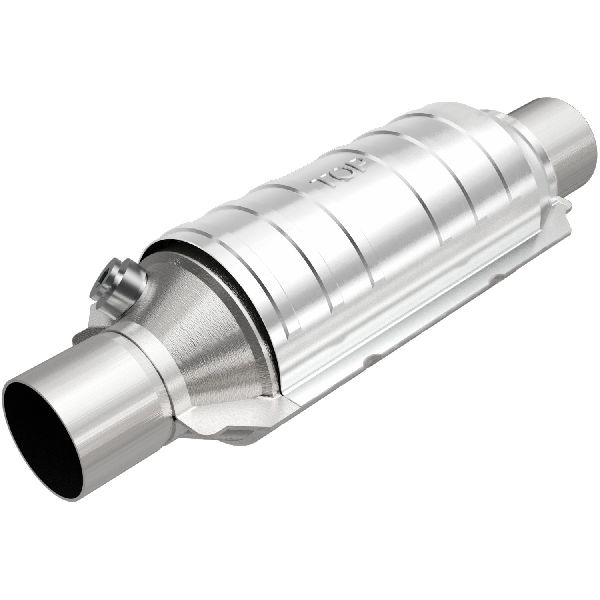
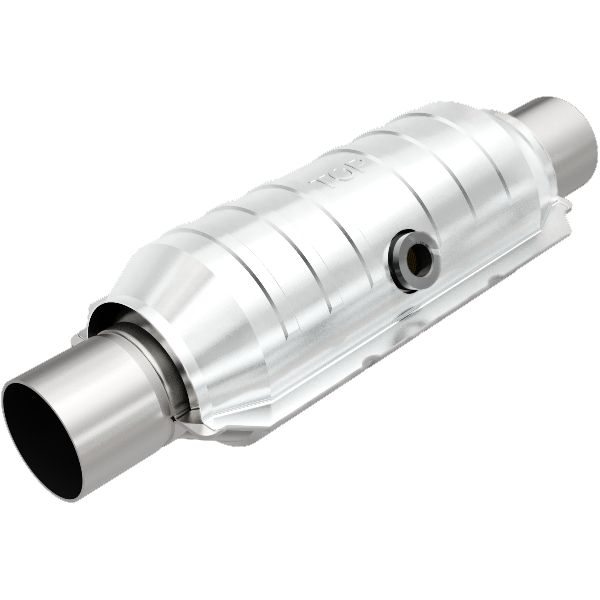
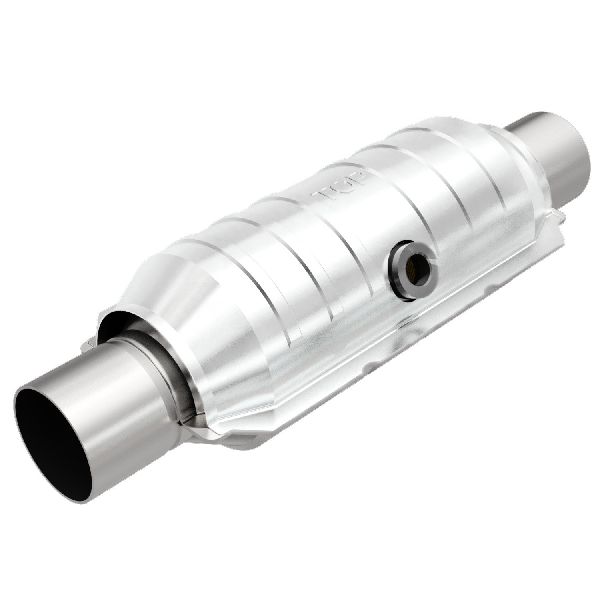
- Higher-Tier (MagnaFlow, Walker): Brands like MagnaFlow and Walker are well-regarded for their quality and durability. MagnaFlow often uses stainless steel construction and offers CARB-compliant options, making them a popular choice for performance and longevity. Walker is known for direct-fit designs that closely match OEM specifications, which can simplify installation.
- Mid-Tier (Eastern Catalytic, AP Exhaust): These brands provide a good balance of price and quality. Eastern Catalytic is noted for engineering converters for older vehicles that may have engine wear, and they offer a 5-year/50,000-mile warranty. AP Exhaust is another affordable, widely available option.
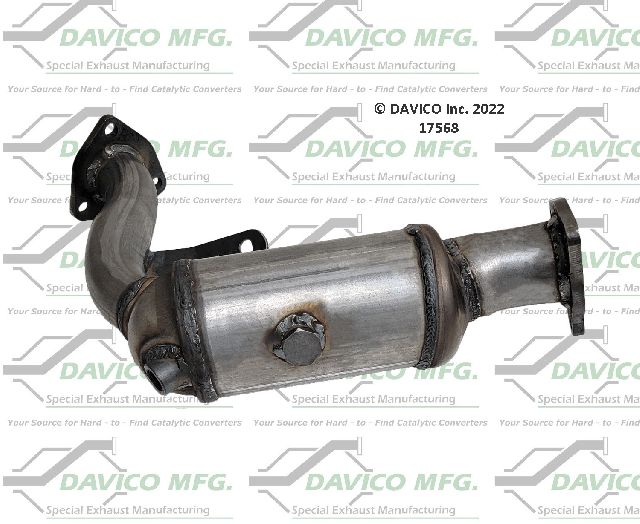
- Budget-Tier (Davico, Evan Fischer): These brands are the most affordable but can be a gamble. Owners report mixed experiences with brands like Davico, citing issues with fitment, weld quality, and longevity. While they can be a solution for a budget repair, be prepared for potential installation challenges and a shorter lifespan.
A Note on O2 Sensor Spacers
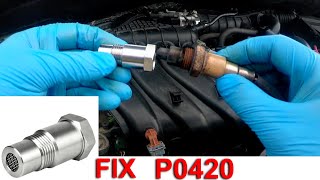
Some owners who install aftermarket converters, especially on the 1.8T engine, report getting a P0420 code even with the new part. This can happen because the new converter is slightly less efficient than the OEM unit. In these cases, installing an O2 sensor spacer on the downstream (post-cat) sensor can sometimes resolve the issue by pulling the sensor out of the direct exhaust stream. 🎬 Watch: Do O2 spacers actually work to fix P0420 codes? However, this should be seen as a last resort after confirming there are no exhaust leaks or other engine issues.
Replacement Cost

The cost to replace a catalytic converter on a 2001-2010 Audi A4 Quattro varies widely based on the parts you choose and who does the work.
| Part/Service | Estimated Cost |
|---|---|
| New OEM Converter (Part Only) | $2,300 - $2,900+ |
| New Aftermarket Converter (Part Only) | $140 - $1,700 |
| Shop Labor | $330 - $500 |
| Total Professional Replacement (OEM) | $2,600 - $3,400+ |
| Total Professional Replacement (Aftermarket) | $500 - $2,200 |
Frequently Asked Questions

What generation differences are important for the 2001-2010 A4?
This range covers the B6 (2001-2005), B7 (2005.5-2008), and early B8 (2009-2010) generations. The engine options (1.8T, 3.0L V6, 2.0T, 3.2L V6) have different catalytic converter designs. It is absolutely critical to order the part that matches your car's specific year, engine, and emissions compliance (Federal or CARB).
Can I replace the catalytic converter myself?
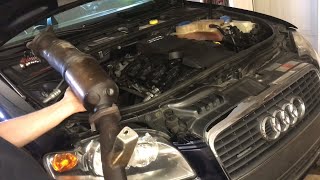
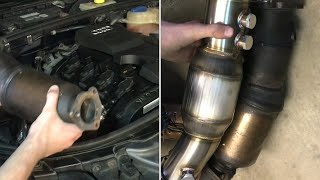
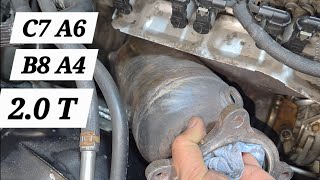
This is a difficult job for a DIY mechanic. It requires lifting the vehicle safely and accessing bolts that are often extremely rusted and in tight spaces, especially the lower bolt on the turbo flange. 🎬 See this B7 A4 replacement walkthrough with important DIY tips Penetrating oil is essential. On some models, you may need to remove the airbox or even support and lift the transmission to get enough clearance to remove the old converter. Professional installation is recommended for most owners.
Should I replace my oxygen sensors at the same time?
Yes, it is highly recommended. A failing catalytic converter can be caused by a faulty oxygen sensor, and the heat from a failing converter can damage the sensors. Replacing the upstream and downstream O2 sensors with the converter ensures the whole system is working correctly and can prevent you from having to do the job twice. It's also much easier to do while the converter is out.
Were there any recalls for the catalytic converter on these cars?
Searches of the NHTSA database and Audi service campaigns did not show any widespread safety recalls for catalytic converter failure on the 2001-2010 Audi A4 Quattro. There was a service campaign (26P2) for some much newer Audi models that were built with incorrect converters, but this does not apply to this year range.
Helpful Videos

Technical Specifications
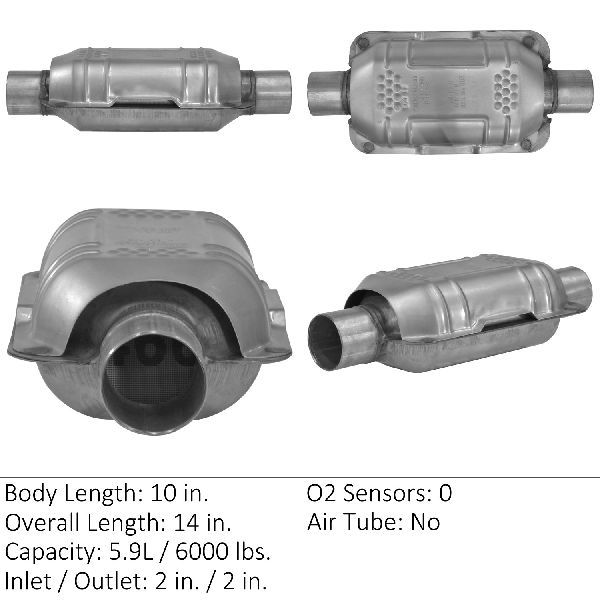
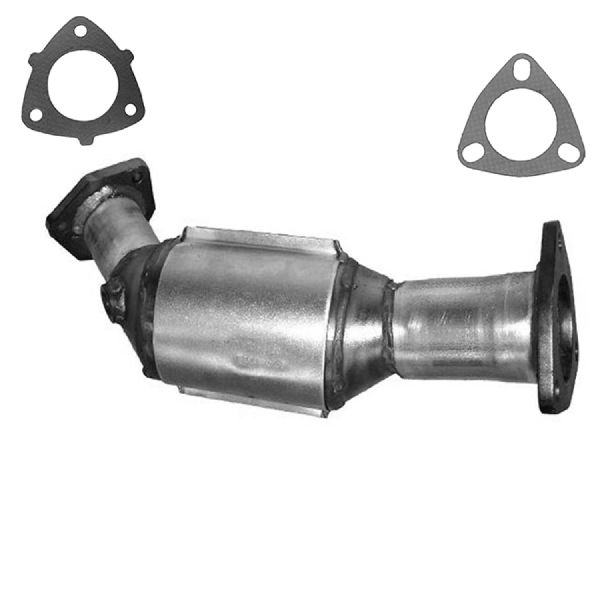
Vehicle fitment varies significantly by engine (1.8T, 2.0T, 3.0L, 3.2L) and model year (B6, B7, B8 generations). Direct-fit and universal options are available. Must comply with either Federal (EPA) or California (CARB) emissions standards depending on location.
We Have This Part in Stock

The information in this article is provided for general reference and educational purposes only. Vehicle specifications, procedures, and part compatibility can vary by production date, trim level, and region. Always consult your vehicle's factory service manual and verify part numbers before purchasing or performing repairs. Safety-critical components such as airbags, seat belts, and braking systems should be installed by a qualified professional.
- Audi A4 Quattro: