

A Guide to Replacing the Starter on Your 2001-2009 Toyota Highlander
If your Highlander won't start, the starter is a likely culprit. Here's how to choose the right new aftermarket replacement part.
- Starter replacement is much easier and cheaper on 4-cylinder models than on V6 models due to its location.
- Always test the battery first; a weak battery can mimic starter failure symptoms, especially with rapid clicking sounds.
- Denso is the Original Equipment Manufacturer (OEM), making their new aftermarket starter a top-tier choice for quality and fit.
- There are no recalls or technical service bulletins (TSBs) for starter failure on the 2001-2009 Highlander; it is a standard wear-and-tear part.
Is Your Highlander's Starter Failing?

A starter motor usually gives warning signs before it fails completely. For the 2001-2009 Toyota Highlander, these symptoms are often clear, but they can sometimes be confused with a weak battery. Knowing the difference can save you time and money.
Don't Mistake a Bad Battery for a Bad Starter
Before you decide to replace the starter, always make sure your battery is fully charged and the terminals are clean and tight. A rapid, machine-gun-like clicking sound when you turn the key is almost always a sign of a weak or dead battery, not a bad starter. The starter is trying to work but doesn't have enough power.
Choosing the Right Aftermarket Starter

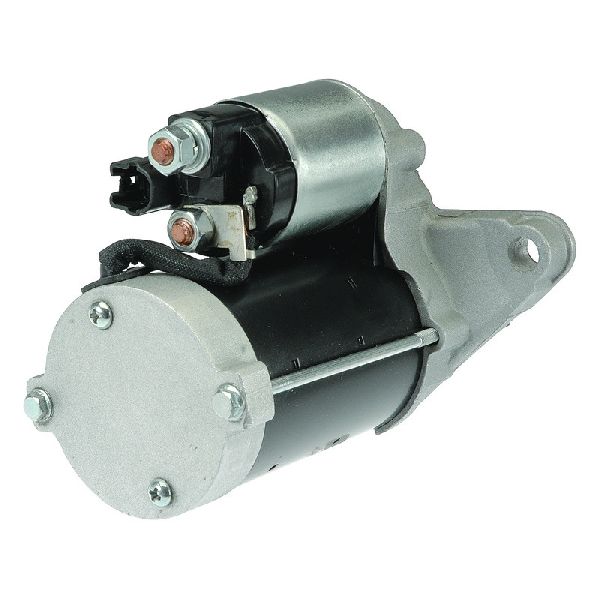
You don't need to pay dealership prices for a reliable starter for your Highlander. A new aftermarket starter offers an excellent balance of quality and value. Unlike remanufactured parts, which reuse old components, a 100% new aftermarket starter provides peace of mind that every part is fresh from the factory.
Here’s a breakdown of available brands:
- OEM-Quality Aftermarket (Denso): Denso is the original equipment manufacturer (OEM) for Toyota, meaning they made the starter that was in your Highlander when it left the factory. Choosing a new Denso starter from an aftermarket supplier is the closest you can get to the original part, often at a lower price than the dealership. It is a top choice for reliability.
- Premium Aftermarket (Bosch, Remy): Bosch is a massive, reputable OEM supplier for many car brands and builds its parts to high standards. Remy is another long-standing brand that is well-regarded for producing new and remanufactured parts that are reliable and often come with good warranties. Both are solid choices for a long-lasting repair.
- Standard Aftermarket (WAI Global, BBB Industries): Brands like WAI Global offer a cost-effective option. They produce brand-new parts and are a viable choice for budget-conscious repairs, though some user reviews are mixed. These can provide good value, especially for an older vehicle.
Estimated Replacement Costs

| Part/Service | Estimated Cost |
|---|---|
| New Aftermarket Starter | $94 - $354 |
| Shop Labor | $100 - $250 |
| Total Professional Replacement | $194 - $604 |
Costs are estimates and can vary based on your location, engine type (V6 labor is higher), and the specific parts chosen.
Pro Tip: Engine Makes a Difference
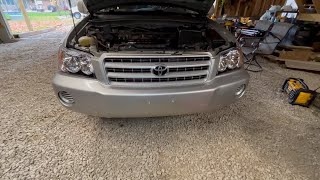
The starter replacement job is very different depending on your engine. On 4-cylinder models, the starter is on top of the transmission and very easy to access, making it a great DIY job. On V6 models, the starter is located under the battery and battery tray, requiring more work to get to. This increases labor time and cost.
Frequently Asked Questions (FAQ)

Is it hard to replace the Highlander starter myself?
It depends on your engine. For the 2.4L 4-cylinder, it's considered one of the easiest starter jobs you can do. The starter is right on top and easy to reach. For the 3.0L or 3.3L V6, the job is more difficult because you have to remove the battery, battery tray, and sometimes the air filter housing to access it. However, it is still a manageable DIY project for someone with moderate mechanical experience.
Are there any recalls for the 2001-2009 Highlander starter?
No. Searches of the National Highway Traffic Safety Administration (NHTSA) database show no recalls or widespread factory defects for the starter motor on this generation of Highlander. Failures are typically due to normal wear and tear over many years and miles.
What's the difference between a new and remanufactured starter?
A new aftermarket starter is made with 100% new components. A remanufactured starter is an original (OEM) core that has been taken apart, cleaned, and had its worn-out internal parts like brushes and contacts replaced before being tested and sold. While a quality remanufactured part can be reliable, a new part ensures that every single component is brand new.
My car just makes a single click. Is that the starter?
A single, loud click when you turn the key is a classic sign of a bad starter. It means the starter's solenoid is engaging, but the motor itself isn't turning the engine. This is different from rapid clicking, which usually points to a weak battery.
Helpful Videos
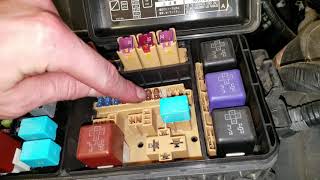
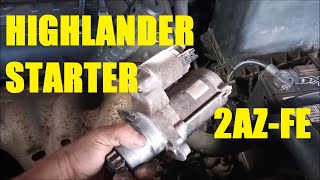
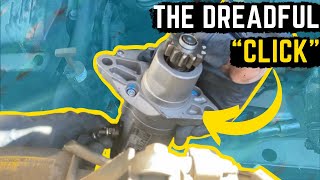
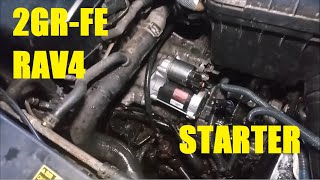
Technical Specifications
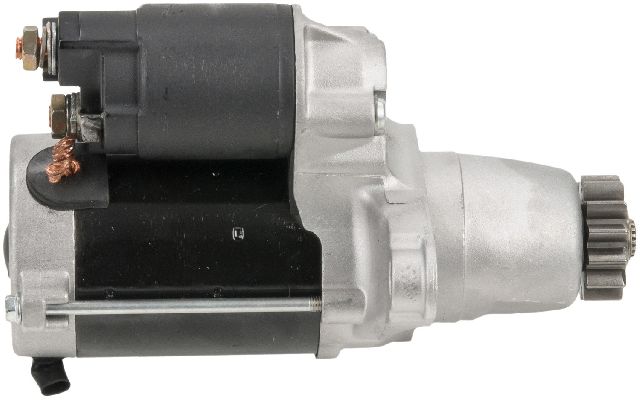
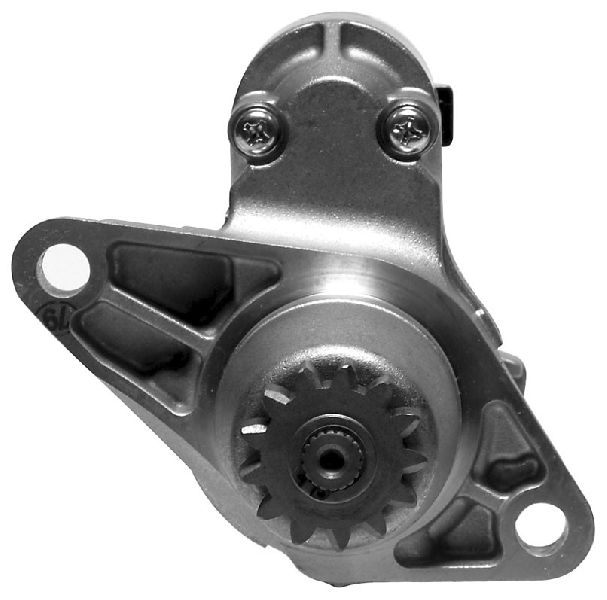
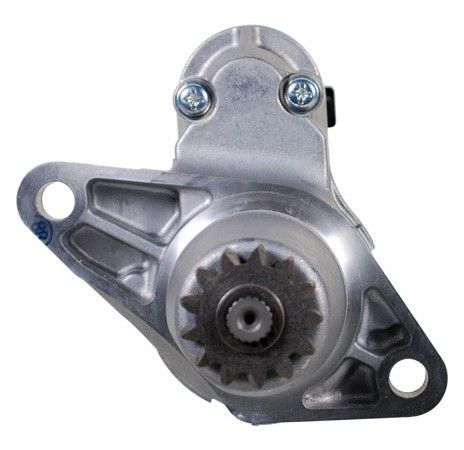
OEM Part Numbers: 28100-28041 28100-0H060 28100-20020 28100-20021 28100-0A010
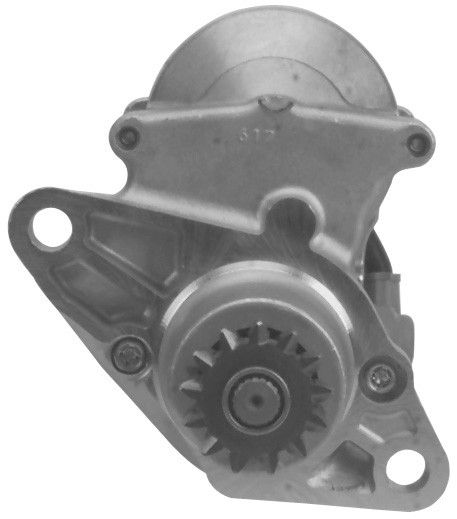
Voltage: 12V. Power Rating: 1.2kW to 1.6kW depending on engine. Rotation: Counter-Clockwise. Pinion Teeth: 9 or 13.
We Have This Part in Stock

The information in this article is provided for general reference and educational purposes only. Vehicle specifications, procedures, and part compatibility can vary by production date, trim level, and region. Always consult your vehicle's factory service manual and verify part numbers before purchasing or performing repairs. Safety-critical components such as airbags, seat belts, and braking systems should be installed by a qualified professional.
- Toyota Highlander: