

Hyundai Santa Fe Throttle Position Sensor Guide (2001-2009)
Having trouble with stalling or poor acceleration in your Santa Fe? Your Throttle Position Sensor could be the problem.
- A bad TPS in a 2001-2009 Santa Fe causes hesitation, rough idle, stalling, and poor acceleration.
- There is no specific recall for the TPS, but Hyundai has had TSBs and investigations related to the broader electronic throttle system.
- Reputable aftermarket brands like Delphi, NTK, Standard Ignition, and Walker Products offer good quality and value for this repair.
- Always verify the part fits your specific engine (2.4L, 2.7L, 3.5L) and year before purchasing.
Is Your Santa Fe Hesitating or Stalling?

If your 2001-2009 Hyundai Santa Fe is acting up, with symptoms like sudden power loss, a shaky idle, or trouble accelerating, a failing Throttle Position Sensor (TPS) is a common suspect. This sensor is vital for smooth engine operation, but it can wear out over time. When it fails, it sends bad information to your engine's computer, leading to a host of drivability problems. Fortunately, replacing it is a manageable job for a DIY mechanic.
Common Symptoms of a Bad TPS

A bad TPS can make your Santa Fe feel unpredictable and unsafe. Watch out for these common warning signs:
- Hesitation or Stumbling: The engine may hesitate or stumble when you press the gas pedal.
- Poor Acceleration: The vehicle feels sluggish and lacks power, especially when trying to get up to speed.
- Rough or Erratic Idle: The engine may idle too high or too low, or the RPMs might jump up and down on their own.
- Sudden Stalling: The engine might stall unexpectedly at a stoplight or even while driving.
- Jerking or Bucking: The vehicle may jerk or buck during acceleration as the sensor sends inconsistent signals.
- Check Engine Light: A failing TPS will often trigger the Check Engine Light. Common codes include P0120, P0121, P0122, P0123, and P0124.
- Automatic Transmission Problems: You might experience hard, late, or erratic shifting.
Known Issues: TSB for 3.5L Engines
Hyundai issued a Technical Service Bulletin (TSB #06-36-003) for 2001-2005 Santa Fe models with the 3.5L V6 engine. This bulletin provides updated diagnostic information for trouble codes related to the Electronic Throttle System (ETS), which includes the TPS. If you have this engine, be aware that specific diagnostic procedures exist.
Choosing the Right Aftermarket TPS

For a vehicle like the 2001-2009 Santa Fe, a high-quality aftermarket TPS offers excellent value compared to a more expensive OEM part from the dealer. However, not all aftermarket brands are created equal. They generally fall into a few tiers.
Brand Quality Tiers
- Premium Aftermarket (OEM-Equivalent): Brands like Delphi and NTK (NGK) are often original equipment manufacturers for many car brands. They are known for high-quality engineering and reliability that meets or exceeds the original part. These are a top choice for a long-lasting repair.
- Reputable Aftermarket: Brands such as Standard Ignition (SMP) and Walker Products have a long history in the aftermarket. They offer a good balance of quality and price, making them a solid choice for most owners.
- Value Brands: Brands like Beck Arnley, Replacement, and others in the lower price range can be a good budget option. Beck Arnley is a reseller, meaning they re-box parts from various manufacturers, so quality can be inconsistent. While they can save you money, be aware that the lifespan and performance may vary.
Pro Tip: Check Your Engine
The 2001-2009 Santa Fe came with different engines (2.4L I4, 2.7L V6, 3.3L V6, 3.5L V6). The exact TPS part number can vary by engine and year. Always verify that the part you are buying fits your specific vehicle configuration before ordering.
| Part Type | Estimated Cost |
|---|---|
| New OEM (Dealer) | $130 - $205 |
| New Aftermarket | $20 - $140 |
| Shop Labor | $100 - $150 |
Frequently Asked Questions

Was there a recall on the Santa Fe throttle position sensor?
No, there has not been a specific recall for the throttle position sensor on 2001-2009 Hyundai Santa Fe models. However, a petition was filed with the NHTSA regarding the electronic throttle control systems on some 2007-2016 Hyundai models for issues like stalling and unintended acceleration, indicating this is a known problem area for the manufacturer.
Can I replace a TPS myself?
Yes, this is a DIY-friendly job for many owners. The TPS is located on the throttle body. On some Santa Fe models, you may need to remove the air intake hose and the throttle body itself to access the sensor, which is often on the back side. The sensor is typically held on by two or three screws. The difficulty is low to moderate.
Do I need to calibrate the new TPS?
Possibly. Some Santa Fe models, particularly those with adjustable sensors (slotted mounting holes), may require adjustment to ensure the closed-throttle voltage is within specification. A common procedure after installation is to disconnect the battery for a few minutes or perform an idle relearn procedure to allow the car's computer to adapt to the new sensor.
Should I buy an OEM or aftermarket TPS?
For this vehicle, a reputable aftermarket part from a brand like Delphi, NTK, Standard Ignition, or Walker Products provides a great combination of quality and value. An OEM part is also an excellent choice but comes at a significantly higher cost. Given the age of the vehicle, a quality aftermarket sensor is a smart and cost-effective repair.
What's the difference between a TPS and an Accelerator Pedal Position Sensor (APPS)?
The TPS is on the engine's throttle body and measures the opening of the throttle plate. The APPS is connected to your gas pedal and measures how far you are pressing it. On newer cars with electronic "drive-by-wire" throttles, the APPS tells the computer how much you want to accelerate, and the computer then uses a motor to open the throttle body, which has its own TPS to confirm its position.
Helpful Videos


Technical Specifications
OEM Part Numbers: 35170-37100 35170-22010 35170-26910 35102-38610 35102-3B000
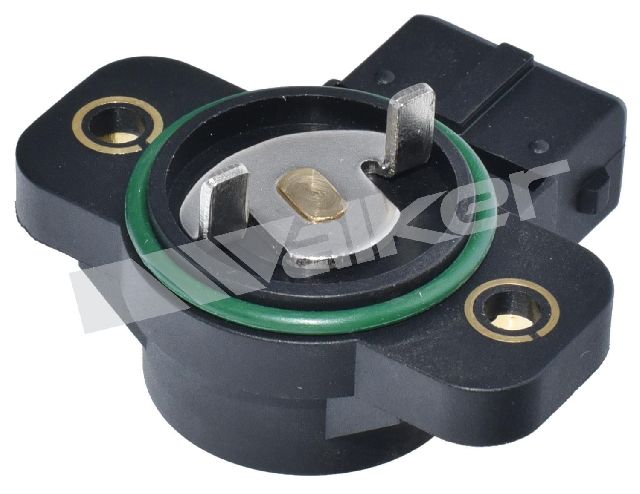
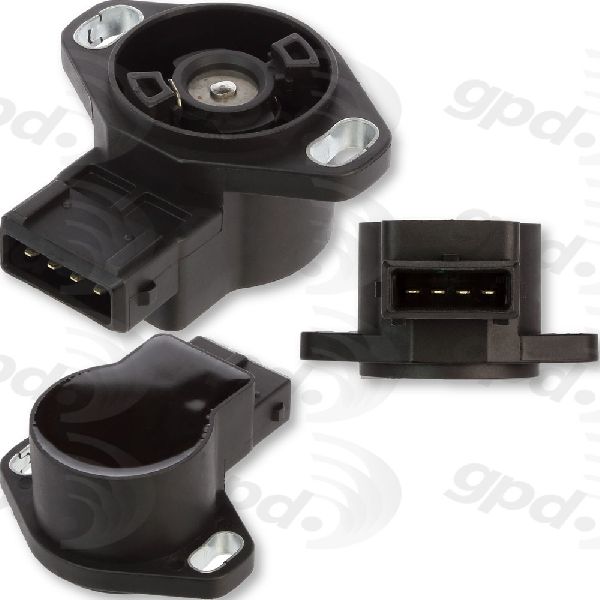
The Throttle Position Sensor for the 2001-2009 Hyundai Santa Fe is a variable resistor (potentiometer) type sensor. It is located on the throttle body assembly and typically has a 3 or 4-pin electrical connector. The correct part varies depending on the engine size (2.4L, 2.7L, or 3.5L) installed in the vehicle.
We Have This Part in Stock


The information in this article is provided for general reference and educational purposes only. Vehicle specifications, procedures, and part compatibility can vary by production date, trim level, and region. Always consult your vehicle's factory service manual and verify part numbers before purchasing or performing repairs. Safety-critical components such as airbags, seat belts, and braking systems should be installed by a qualified professional.
- Hyundai Santa Fe: