

A Mechanic's Guide to the Engine Timing Belt for the 2001-2009 Hyundai Santa Fe
Understanding this critical part can save you from catastrophic engine failure in your Santa Fe.
- All 2.4L, 2.7L, and 3.5L engines in the 2001-2009 Santa Fe are interference engines; a broken timing belt will cause catastrophic engine damage.
- Replace the timing belt every 60,000 miles or 5 years, whichever comes first, to prevent failure.
- Always purchase a complete kit that includes the belt, tensioner(s), and idler pulleys.
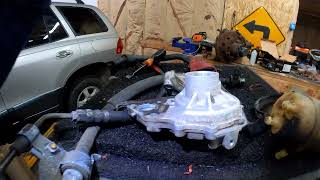
- It is strongly recommended to replace the water pump at the same time you replace the timing belt.
Which 2001-2009 Santa Fe Engines Have a Timing Belt?

It is crucial to know which engine is in your Santa Fe. Not all models from this era use a timing belt.
- 2.4L 4-Cylinder (2001-2006): Uses a timing belt.
- 2.7L V6 (2001-2009): Uses a timing belt.
- 3.5L V6 (2003-2006): Uses a timing belt.
- 3.3L V6 (2007-2009): Uses a timing chain, which does not require regular replacement.
This guide applies only to the 2.4L, 2.7L, and 3.5L engines. All three are interference engines, where a snapped belt means catastrophic engine failure.
Symptoms of a Failing Timing Belt

A timing belt can fail without warning, but sometimes there are signs. If you notice any of these, stop driving immediately and have the vehicle inspected.
- Ticking or Rattling Noise: A consistent ticking or slapping sound from the front of the engine can indicate a loose or worn belt.
- Engine Misfires or Rough Running: If the belt has slipped a tooth, the engine's timing will be off, causing it to run poorly, idle roughly, or lose power.
- Engine Won't Start: If the belt has broken, the engine may crank over (possibly faster than usual) but will not start because the camshafts are not turning.
- Check Engine Light: A slipped belt can trigger fault codes, most commonly for crankshaft/camshaft position correlation (e.g., P0016) or random misfires (P0300).
- Oil Leak at Front of Engine: Oil leaking from the timing cover can degrade the belt material and may be a sign of a failing crankshaft or camshaft seal, which should be replaced during the timing belt job.
Interference Engine Warning
Never ignore the timing belt replacement schedule. Because these are interference engines, a broken belt will cause the pistons and valves to collide, resulting in thousands of dollars in damage and likely requiring a complete engine replacement.
Choosing the Right Aftermarket Timing Belt

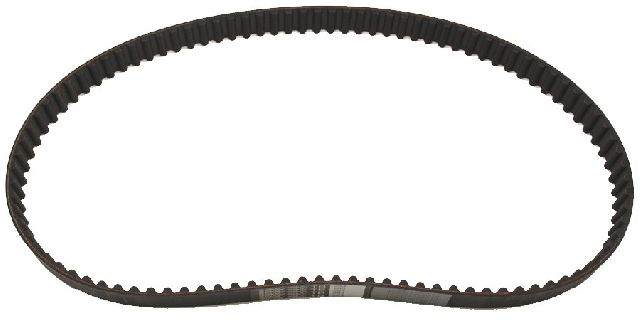
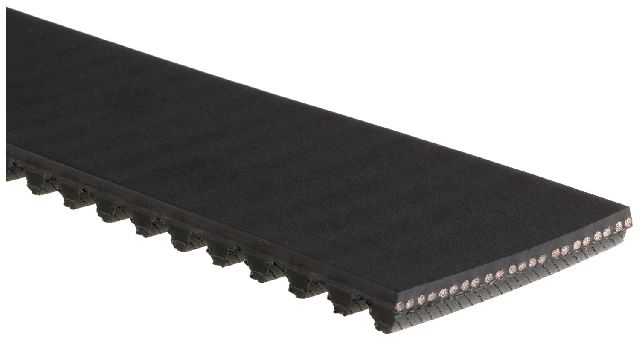
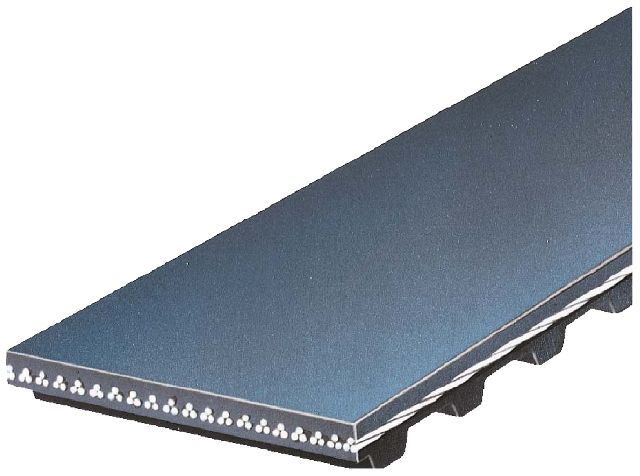
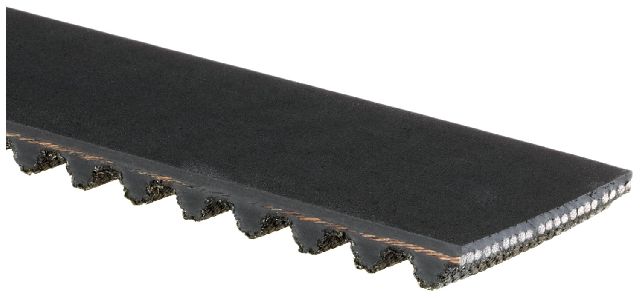
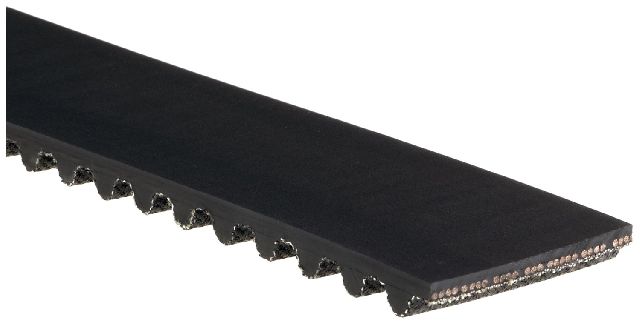
When shopping for a timing belt, you should always buy a complete kit. A kit ensures all related wear items are replaced at once. A quality kit will include the belt, tensioner pulley, idler pulley(s), and a new hydraulic tensioner. It is also standard practice to replace the water pump at the same time, as it is driven by the timing belt and requires the same labor to access.
Brand Quality Tiers
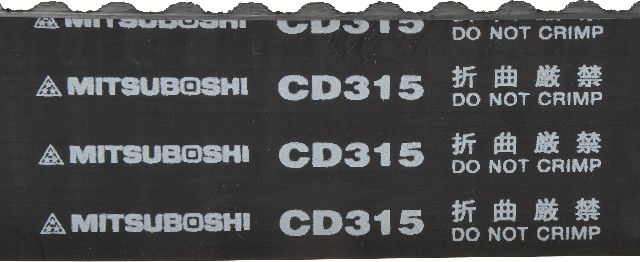
- Premium Aftermarket (OEM-Equivalent): Brands like Gates, Continental, and Dayco are often original equipment suppliers to automakers, including Hyundai. Forum users and mechanics widely trust these brands for reliability. Aisin and Mitsuboshi are also highly regarded Japanese brands known for quality. These kits provide the best quality and peace of mind.
- Standard Aftermarket: Brands like Cloyes and Bando offer reliable parts that meet or exceed OEM specifications and are a solid choice for this repair.
Pro Tip: Always buy a timing belt kit that includes the water pump (often designated with a 'WP' in the part number). The labor to replace the water pump later is the same as the timing belt job, so doing it all at once saves a significant amount of money and prevents the old pump from failing and ruining your new belt.
Known Issues, Recalls, or TSBs
Searches of the NHTSA database and other sources show no specific recalls or widespread Technical Service Bulletins (TSBs) for timing belt failure on the 2001-2009 Hyundai Santa Fe. The primary issue is simply the need for timely replacement according to the maintenance schedule. Later model Santa Fe vehicles with different engines were subject to engine recalls, but these do not apply to the timing belt-driven engines in this year range.
| Part/Service | Estimated Cost |
|---|---|
| New Aftermarket Kit (Belt, Pulleys, Tensioner) | $100 - $250 |
| New Aftermarket Kit (with Water Pump) | $150 - $345 |
| Shop Labor | $420 - $620 |
| Total Professional Job (Aftermarket Parts) | $750 - $1,500 |
Frequently Asked Questions (FAQ)

How often should the timing belt be replaced?
The generally accepted interval for all engines (2.4L, 2.7L, 3.5L) is every 60,000 miles or 5 years, whichever comes first. Do not delay this service.
Can I replace the timing belt myself?
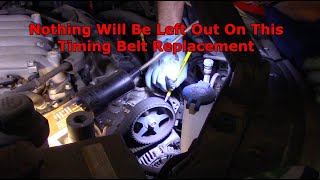
This is an advanced DIY job. It takes 6-8 hours and requires specific tools, including an impact wrench or special holder for the crankshaft pulley. While possible for an experienced home mechanic, it is not recommended for beginners due to the complexity and the catastrophic risk if done incorrectly.
Should I only replace the belt?
No. Always replace the timing belt, tensioner, and idler pulleys as a complete kit. The pulleys and tensioner wear out at a similar rate as the belt. A failed pulley or tensioner will destroy the new belt and your engine.
Is OEM really better than aftermarket for this part?
For this specific job, high-quality aftermarket kits from brands like Gates, Continental, or Dayco are considered just as reliable as OEM, as they are often the OEM manufacturer. The key is to use a complete kit from a reputable brand rather than buying the cheapest parts available.
Helpful Videos
Technical Specifications
OEM Part Numbers: 24312-37500 24312-26001 24312-3E500
Vehicle has an interference engine design. Part numbers vary by specific engine (2.4L, 2.7L, 3.5L) and year. Always verify fitment before ordering.
We Have This Part in Stock

The information in this article is provided for general reference and educational purposes only. Vehicle specifications, procedures, and part compatibility can vary by production date, trim level, and region. Always consult your vehicle's factory service manual and verify part numbers before purchasing or performing repairs. Safety-critical components such as airbags, seat belts, and braking systems should be installed by a qualified professional.
- Hyundai Santa Fe: