

A Ford Escape Owner's Guide to Ignition Coil Replacement (2001-2009)
Solving misfires and rough idling in your 2001-2009 Ford Escape starts with understanding your ignition coils.
- For 3.0L V6 models, always replace all six coils, spark plugs, and intake gaskets at once to avoid costly repeat labor.
- The job is simple on 4-cylinder engines but complex and labor-intensive on the V6 due to the rear coils being under the intake manifold.
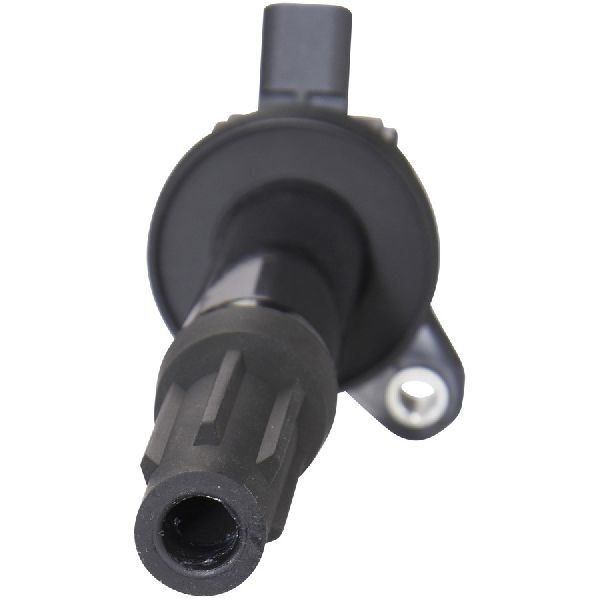
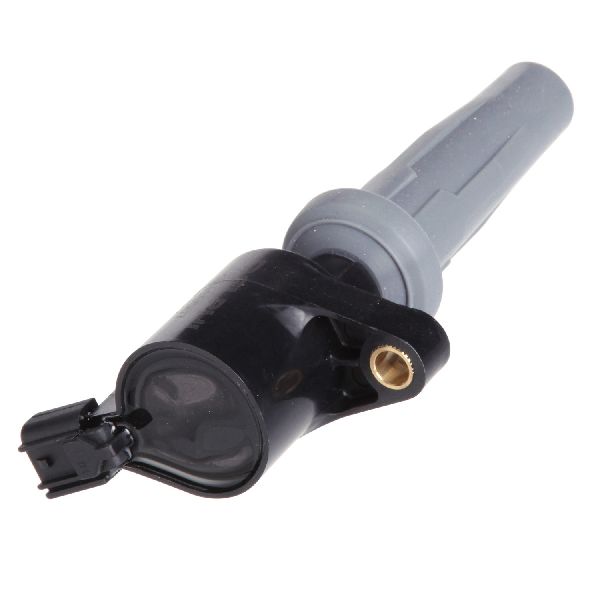
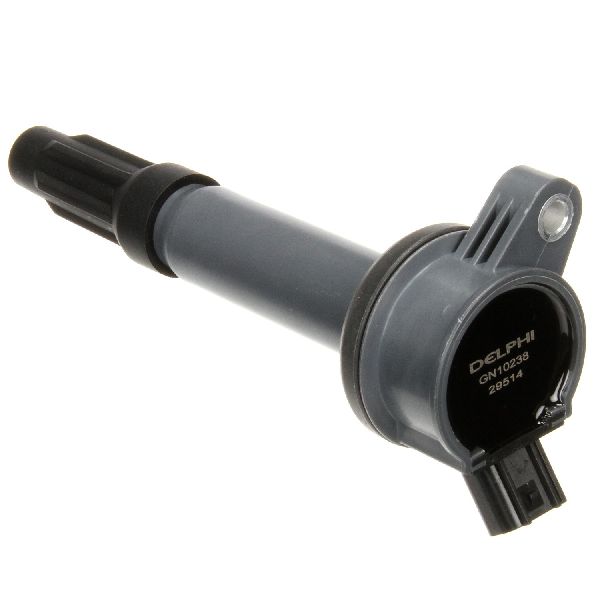
- Using premium aftermarket brands like Denso, NGK, or Delphi offers OEM-like quality and is a safer investment than budget coils.
- Always replace spark plugs with coils; old plugs can destroy new coils.
Understanding Ignition Coil Failure in Your Escape

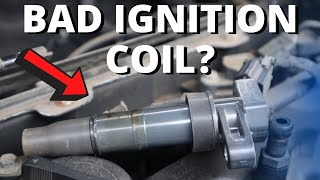
If your Ford Escape is running rough, hesitating when you accelerate, or the Check Engine Light is on, a failing ignition coil is a very common cause. Coils are wear-and-tear items that operate under high heat and high voltage. Over time, the internal windings can break down, or the outer epoxy case can crack, leading to a weak or non-existent spark. This causes an engine misfire.
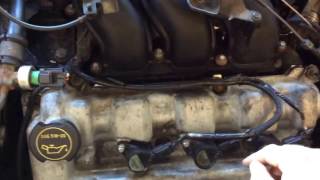
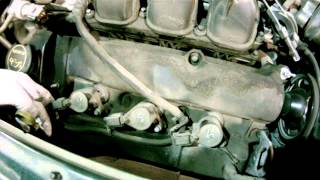
For the 2001-2009 Escape, there are two very different engine layouts that affect this repair. The 4-cylinder engines (2.0L and 2.3L) have easily accessible coils right on top of the engine. However, the 3.0L V6 engine has three coils under a plastic cover at the front of the engine and three more coils buried at the back, underneath the entire upper intake manifold.
Symptoms of a Bad Ignition Coil

A bad coil will make itself known through poor engine performance. You will likely notice one or more of the following signs:
- Engine Misfires: Your engine may shudder, hesitate, or stumble, especially under load like going up a hill.
- Rough Idle: When stopped, the engine may shake or idle unevenly.
- Check Engine Light: A misfire will almost always trigger the Check Engine Light. A flashing light indicates a severe misfire that can damage your catalytic converter. Common codes include P0300, P0301, P0302, P0303, P0304, P0305, and P0306.
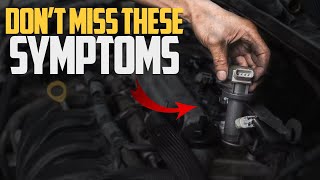
- Loss of Power: Your Escape will feel sluggish and slow to accelerate. 🎬 Watch: 7 symptoms of bad coils and replacement cost breakdown.
- Poor Fuel Economy: An engine that isn't burning fuel efficiently will use more of it.
V6 Engine: A Much Bigger Job
Replacing the three rear ignition coils on the 3.0L V6 engine requires removing the upper intake manifold. This adds significant time and complexity to the job. Because of the high labor cost involved, it is strongly recommended to replace all six coils, all six spark plugs, and the intake manifold gaskets at the same time. Doing so prevents you from having to pay for the same difficult labor again if another rear coil fails soon after.
Choosing the Right Aftermarket Ignition Coil

When shopping for new aftermarket coils, quality directly impacts reliability and performance. The original Ford coils are made by Motorcraft. Cheaper coils are known to fail prematurely, sometimes within months, forcing you to do the job again. Here is a breakdown of common aftermarket brands to help you choose.
Brand Quality Tiers
- Tier 1: OEM & Premium Aftermarket: These brands are known to be original equipment suppliers or are widely regarded for their equivalent quality and durability. They are the safest choice for a long-lasting repair.
Brands: Motorcraft (OEM), Denso, NGK, Delphi, Bosch. - Tier 2: Reputable Aftermarket: These brands are established in the aftermarket and generally offer good quality and value. They are a solid choice for most DIY repairs.
Brands: Standard Ignition (avoid 'T-Series'), Hitachi, Spectra, Walker Products, Beck Arnley (can be a re-boxed OEM or lesser brand). - Tier 3: Economy Brands: These brands compete on price. While tempting, their quality and lifespan can be inconsistent. They may be a short-term solution, but carry a higher risk of premature failure.
Brands: DriveWire, URO Parts, Skyward, True Tech, and other low-cost online brands.
Pro Tip: Always Replace Spark Plugs
Worn or incorrect spark plugs can strain an ignition coil, causing it to fail prematurely. Always replace your spark plugs when you replace your coils, especially on high-mileage vehicles. For the V6, it is essential to do this for the rear bank to avoid duplicate labor. Also, check the spark plug wells for oil; a leak from the valve cover gasket can ruin a new coil.
Known Issues, Recalls, and TSBs

While there are no direct safety recalls from the NHTSA for ignition coil failure on the 2001-2009 Escape, there are relevant Technical Service Bulletins (TSBs).
- TSB 10-18-10: For 2005-2006 models, Ford noted that radio frequency interference from the original coils could damage both the coils and the Powertrain Control Module (PCM). The fix involves replacing the old coils with an updated design. If you have persistent, repeating coil failures on these model years, this could be the cause. 🎬 See how a misfire can damage your PCM on 3.0L engines.
- TSB 05-22-8: This bulletin provides general diagnostic procedures for technicians dealing with misfires on Coil-On-Plug systems like the one in your Escape.
Cost of Replacing Ford Escape Ignition Coils
The cost varies dramatically between the 4-cylinder and V6 engines due to the labor difference.
| Engine | Part Type | Estimated Cost (Parts Only) | Estimated Shop Labor Cost |
|---|---|---|---|
| 4-Cylinder (2.0L/2.3L) | Single Aftermarket Coil | $20 - $75 | $40 - $100 |
| V6 (3.0L) | Single Aftermarket Coil | $20 - $80 | $75 - $150 (Front Bank Only) |
| V6 (3.0L) | Set of 6 Aftermarket Coils | $100 - $450+ | $300 - $600+ (All 6 Coils) |
| Any Engine | Single OEM Motorcraft Coil | $60 - $115 | (See above) |
Frequently Asked Questions (FAQ)

Should I replace all ignition coils at once?
For a 4-cylinder, it's optional but good practice if the coils are old. For the 3.0L V6, it is highly recommended to replace all six at once. The labor to access the three rear coils is so intensive that you will save a lot of money in the long run by doing them all at the same time.
What is the difference between a coil pack and a coil-on-plug?
The early 2.0L engine (approx. 2001-2004) uses a single 'coil pack' that sends spark to all four cylinders through spark plug wires. The 2.3L and 3.0L V6 engines use a 'coil-on-plug' (COP) system, where each spark plug has its own individual coil mounted directly on top of it. They are not interchangeable.
🎬 Watch this walkthrough on diagnosing a V6 misfire and coil pack.Can I drive with a bad ignition coil?
You can, but it's not recommended for long. Driving with a misfire sends unburned fuel into the exhaust system, which can quickly overheat and destroy your catalytic converter—a very expensive repair. If the check engine light is flashing, you should stop driving as soon as safely possible.
Why did my new aftermarket coil fail so quickly?
There are two common reasons. First, low-quality economy coils have a much higher failure rate than OEM or premium aftermarket brands. Second, old and worn-out spark plugs can put extra strain on a new coil, causing it to overheat and fail. Always use high-quality coils and replace your spark plugs at the same time.
Helpful Videos
Technical Specifications
OEM Part Numbers: 2M2Z-12029-AC (V6) 1L8Z-12029-AB (V6) 4M5Z-12029-BC (4-Cyl) DG-513 (V6) DG-541 (4-Cyl)
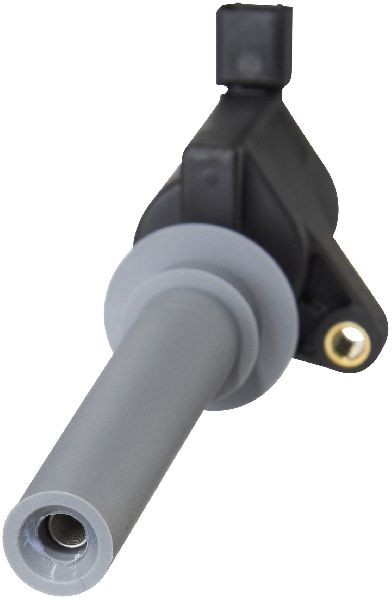
Early 2.0L engines use a single waste-spark coil pack with plug wires. 2.3L I4 and 3.0L V6 engines use a Coil-On-Plug (COP) design with a single bolt holding each coil to the valve cover or intake manifold.
We Have This Part in Stock


The information in this article is provided for general reference and educational purposes only. Vehicle specifications, procedures, and part compatibility can vary by production date, trim level, and region. Always consult your vehicle's factory service manual and verify part numbers before purchasing or performing repairs. Safety-critical components such as airbags, seat belts, and braking systems should be installed by a qualified professional.
- Ford Escape: