

Idle Air Control Valve for 2001-2009 Ford Escape: A Complete Guide
If your Escape is stalling or idling rough, the Idle Air Control valve is a likely suspect.
- A rough idle or stalling at stops are the classic signs of a bad IAC valve on an Escape.
- Replacement on the 3.0L V6 engine is a very simple DIY job that can be done in under 30 minutes.
- Always check for vacuum leaks first, as they can mimic the symptoms of a faulty IAC valve.
- Cleaning the valve is a possible but often temporary fix; replacement is the reliable solution.
Is Your Escape's Idle Acting Up?

A bad Idle Air Control (IAC) valve is a common issue on the 2001-2009 Ford Escape that can cause a range of annoying and sometimes concerning symptoms. Because this part is essential for a smooth and stable idle, you'll notice problems almost exclusively when the vehicle is stopped or moving at a very low speed. Ignoring a failing IAC valve can lead to frequent stalling, which can be a safety issue in traffic.
Top Symptoms of a Bad IAC Valve

If the IAC valve on your Escape is failing, you will likely experience one or more of the following issues:
🎬 Watch a breakdown of common symptoms of a bad IAC valve.- Rough or Shaky Idle: The engine may vibrate or shake more than usual when you're stopped in gear.
- Stalling: The engine may shut off when you come to a stop, put the car in gear, or when you turn on the A/C.
- Irregular Idle Speed: The engine RPMs might bounce up and down, or be consistently too high or too low.
- Hard Starting: The engine may have trouble starting, especially when cold, without giving it some gas.
- Check Engine Light: A faulty IAC valve can trigger the Check Engine Light, often with codes like P0505, P0506, or P0507.
First, Check for Vacuum Leaks
Before replacing the IAC valve, it's wise to check for vacuum leaks from cracked hoses or a bad intake gasket. A vacuum leak can cause the exact same symptoms as a bad IAC valve and is a common issue. A mechanic can perform a smoke test to quickly find any leaks.
Choosing the Right Aftermarket IAC Valve

When it comes to replacing the IAC valve on your Escape, you have a few options. While the original Motorcraft part is the benchmark, several aftermarket brands offer a balance of quality and value.
Brand Quality Tiers:
- OEM (Motorcraft): This is the original part your Escape came with. It offers the best fit and longest life but comes at the highest price. If you want a guaranteed fix without any guesswork, Motorcraft is the safest choice. Some owners report that aftermarket valves don't always perform as well as the original.
- Premium Aftermarket (Hitachi): Hitachi is a well-respected manufacturer that is often an Original Equipment (OE) supplier to many car brands. Their parts are known for high quality and reliability, often meeting or exceeding OEM specifications at a slightly lower price point.
- Standard Aftermarket (Standard Ignition): Standard Motor Products (SMP) is a long-standing and reputable aftermarket manufacturer. Their parts are a popular choice for daily drivers, offering a good balance of price and performance. They are generally considered a reliable alternative to OEM.
- Value-Oriented (True Tech): Brands like True Tech are geared towards the budget-conscious owner. While they offer significant cost savings, their long-term durability may not match that of premium or OEM brands. They can be a good option for an older, secondary vehicle or if you're on a tight budget.
Estimated Cost to Replace IAC Valve
| Part Type | Estimated Part Cost | Estimated Labor Cost | Total Estimated Cost |
|---|---|---|---|
| New OEM (Motorcraft) | $120 - $180 | $95 - $150 | $215 - $330 |
| New Aftermarket | $70 - $113 | $95 - $150 | $165 - $263 |
Note: Costs are estimates and can vary based on your location, vehicle engine (2.0L, 2.3L, or 3.0L), and the specific repair shop. Labor is estimated at 0.5-1.0 hours.
Pro Tip: Easy DIY Replacement
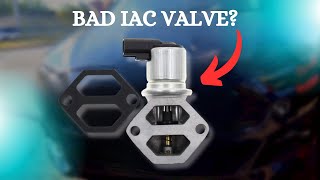
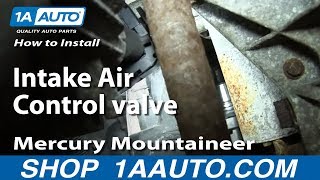
For most 2001-2009 Escapes, especially the 3.0L V6, the IAC valve is located right on top of the engine and held on by two 8mm bolts, making it a very easy part to replace yourself in under 30 minutes. This can save you over $100 in labor costs. 🎬 See how to replace the IAC valve on a 3.0L V6. The 2.0L 4-cylinder can be more challenging as the valve is located underneath the throttle body.
Frequently Asked Questions

Can I just clean my old IAC valve?
Yes, you can try cleaning the IAC valve with throttle body cleaner as a first step. This sometimes resolves issues caused by carbon buildup. However, if the valve's internal motor is failing, cleaning is only a temporary fix at best, and the problem will likely return. When cleaning, do not manually push the valve plunger, as this can damage it.
Where is the IAC valve located on my Ford Escape?
On the 3.0L V6 engine, the IAC valve is very easy to access, located on the top of the intake manifold. On the 2.0L and 2.3L 4-cylinder engines, it is typically located on the rear or underside of the throttle body, which can be more difficult to reach.
🎬 Video guide for replacing the valve on 2.0L engines.Do I need to reset the computer after replacing the IAC valve?
Yes, it's a good idea to perform an idle relearn procedure. After installing the new valve, you can disconnect the battery for about 15 minutes to reset the computer. Then, start the engine and let it idle for a few minutes in park, then a few more minutes with the A/C on, and finally a few minutes in drive with your foot on the brake. This allows the computer to learn the characteristics of the new valve.
Were there any recalls for the IAC valve on the 2001-2009 Escape?
There have been no specific recalls issued by the NHTSA for the Idle Air Control valve on the 2001-2009 Ford Escape. There was a recall for some early models concerning the accelerator cable that could cause high idle, but this was unrelated to the IAC valve itself.
Helpful Videos
Technical Specifications
OEM Part Numbers: 1L8Z9F715AA CX1899 CG765
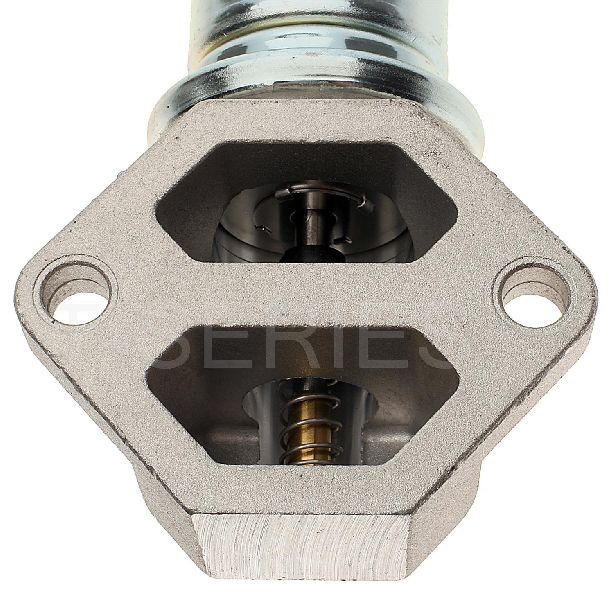
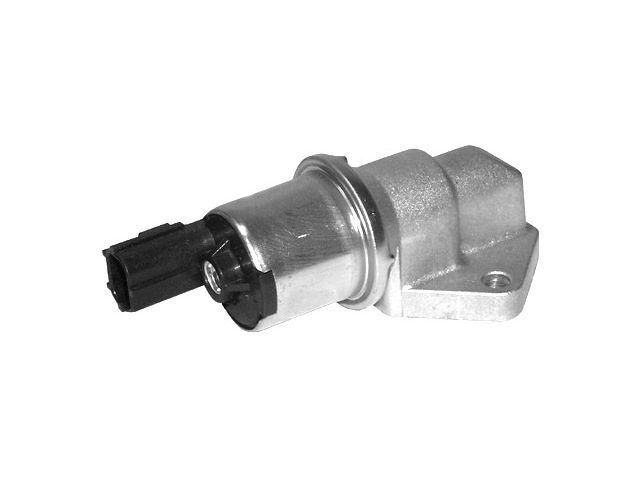
2-bolt flange mount, 2-pin electrical connector. Gasket is typically included with the new part.
We Have This Part in Stock


The information in this article is provided for general reference and educational purposes only. Vehicle specifications, procedures, and part compatibility can vary by production date, trim level, and region. Always consult your vehicle's factory service manual and verify part numbers before purchasing or performing repairs. Safety-critical components such as airbags, seat belts, and braking systems should be installed by a qualified professional.
- Ford Escape: