

Acura MDX Engine Crankshaft Position Sensor: 2001-2009 Guide
Learn about the critical role of the crankshaft position sensor in your MDX and how to choose the right replacement.
- A failing crankshaft sensor can cause no-start conditions or dangerous stalling while driving.
- Common symptoms include a Check Engine Light with codes P0335, P0336, or P0339, rough idling, and poor acceleration.
- For best results, choose an OEM supplier brand like Denso or Hitachi, or a reputable aftermarket brand like Delphi or Standard Motor Products.
- On many MDX models, this is a DIY-possible repair, but confirm the sensor's location on your vehicle first, as some are much harder to access.
Is Your Acura MDX Stalling or Hard to Start? It Could Be the Crankshaft Sensor.

If your 2001-2009 Acura MDX is experiencing issues like stalling, difficulty starting, or a rough idle, a failing engine crankshaft position sensor is a likely culprit. This sensor is critical, and when it fails, it can leave you stranded. Understanding the symptoms and knowing how to choose a quality aftermarket replacement can save you time and money.
Critical Failure Warning
A completely failed crankshaft position sensor will prevent the engine from starting at all. An intermittent failure can cause the engine to stall at any time, including while driving at high speeds, which is a significant safety risk. It is not recommended to drive with a suspected faulty sensor.
Symptoms of a Failing Crankshaft Position Sensor

A bad crankshaft sensor on your MDX will usually make itself known through several distinct symptoms:
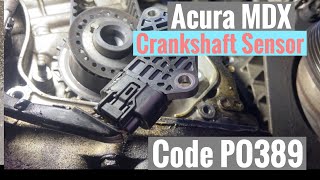
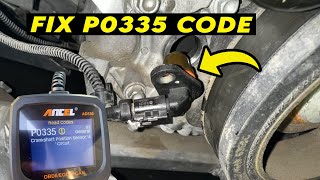
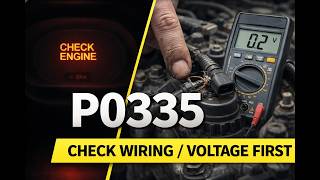
- Check Engine Light: This is often the first sign. The ECU will store a Diagnostic Trouble Code (DTC), most commonly P0335, P0336, or P0339. 🎬 Watch this diagnostic guide for troubleshooting P0335 codes on Acura V6s.
- Engine Will Not Start: The ECU does not have the crankshaft position data it needs to create spark and time fuel injection, so the engine cannot start.
- Intermittent Stalling: The engine may cut out randomly while idling or driving as the sensor signal drops out. This can be extremely dangerous.
- Rough Idling and Misfires: The engine may shake, vibrate, or sound rough at idle because the timing is incorrect.
- Poor Acceleration: Your MDX may feel sluggish or lack power because the engine isn't receiving the right signals for optimal performance.
- Reduced Fuel Economy: Incorrect timing and inefficient combustion from a bad sensor can lead to your MDX using more fuel than normal.
Choosing the Right Aftermarket Sensor for Your MDX

When it comes to critical electronic sensors, quality matters. For the 2001-2009 Acura MDX, using a low-quality, cheap sensor can lead to continued problems or premature failure. It is highly recommended to use a sensor from a brand known to be an Original Equipment (OE) supplier or a top-tier aftermarket manufacturer.
Here’s a breakdown of available brands:
- OEM Supplier Tier (Highest Recommendation): Brands like Hitachi and Denso are often the original equipment manufacturers for Honda and Acura. Choosing one of these is the closest you can get to buying the part from an Acura dealer, often at a lower price. They are engineered to the exact specifications of your vehicle.
- Top-Tier Aftermarket: Brands like Delphi and Standard Motor Products (SMP) have a long-standing reputation for producing reliable aftermarket sensors. They are a solid choice if an OEM supplier part is not available.
- Standard Aftermarket: Brands like Beck Arnley and Walker Products offer a balance of affordability and quality. They are generally reliable for most repairs.
- Economy Tier: While brands like True Tech, Prenco, or other lesser-known names offer the lowest price, they are a gamble for a sensor this critical. Problems with incorrect readings or short lifespans are more common. It's often best to avoid these for a crankshaft sensor to prevent having to do the job twice.
Pro Tip: Check for Oil Leaks
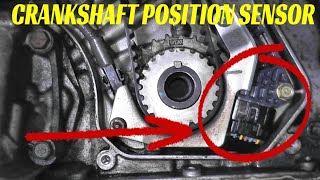
The crankshaft position sensor is located low on the engine, often near the timing belt cover or oil pan. Oil leaks from valve covers or the oil pan can drip onto the sensor and its wiring, causing it to fail prematurely. When replacing the sensor, inspect the area for oil residue and repair any leaks to protect the new part.
Cost of Replacing the Acura MDX Crankshaft Position Sensor
The cost can vary significantly based on the part brand and whether you do the work yourself or take it to a professional mechanic.
| Item | Estimated Cost |
|---|---|
| New OEM Part from Dealer | $110 - $435 |
| New Aftermarket Part | $25 - $195 |
| Shop Labor Cost | $140 - $329 |
| Total Professional Replacement | $220 - $648+ |
Frequently Asked Questions (FAQ)

Can I replace the crankshaft sensor myself?
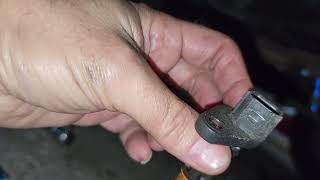
For many 2001-2009 MDX models, the sensor is located behind a small cover on the oil pan or near the transmission bell housing, making it accessible by removing a wheel and a splash shield. This is a DIY-friendly job for someone with basic tools and jack stands, typically taking about an hour. However, on some models, the sensor is located behind the timing belt cover, which is a much more involved job that requires removing the crankshaft pulley and is best left to experienced mechanics. Always verify the location on your specific vehicle 🎬 See this walkthrough on how to locate and remove the sensor. before starting.
Is there a recall on the crankshaft sensor for the 2001-2009 MDX?
Based on searches of the NHTSA database, there are no specific recalls for the crankshaft position sensor itself on the 2001-2009 Acura MDX. However, there have been recalls for later model years related to connecting rod bearing failure, which is a separate issue involving the crankshaft but not the sensor.
What's the difference between a crankshaft and a camshaft sensor?
They perform similar functions but monitor different parts. The crankshaft sensor tracks the rotation of the crankshaft at the bottom of the engine. The camshaft sensor tracks the rotation of the camshaft(s) at the top of the engine, which controls the valves. The ECU uses data from both sensors to get a complete picture of the engine's timing.
Do I need to perform a relearn procedure after replacing the sensor?
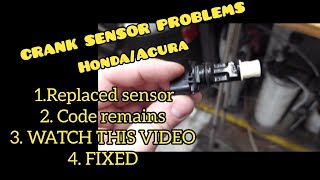
Yes, for many Honda and Acura vehicles, a crankshaft position sensor relearn procedure is recommended to ensure the ECU learns the new sensor's signal characteristics. A common manual procedure involves starting the engine, letting it warm up until the radiator fan turns on, and then performing a specific drive cycle. If not performed, you may have a persistent trouble code even with the new part installed.
🎬 Learn how to perform a crankshaft relearn procedure without a scanner.Helpful Videos
Technical Specifications
OEM Part Numbers: 37500-RCA-A01 37501-P8F-A01 37840-P8A-305
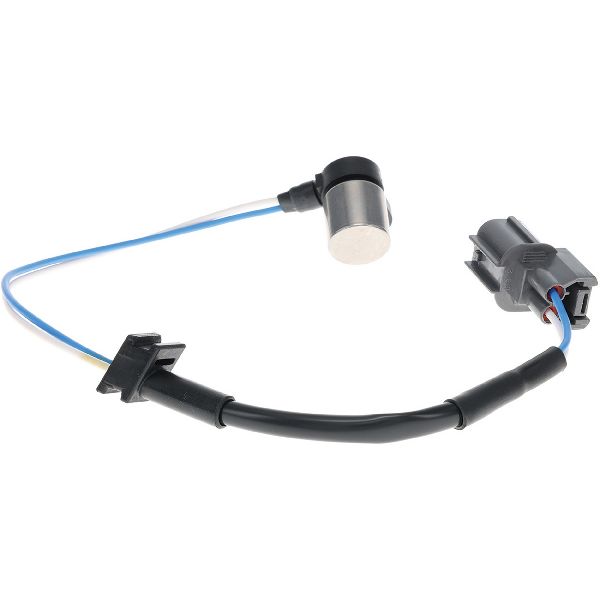
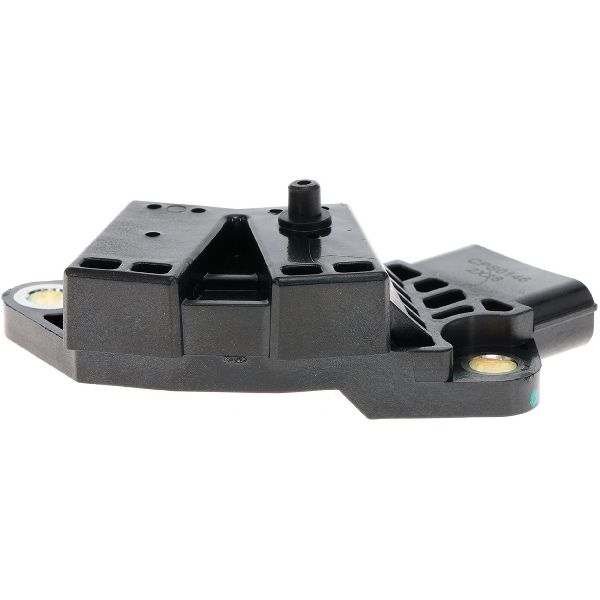
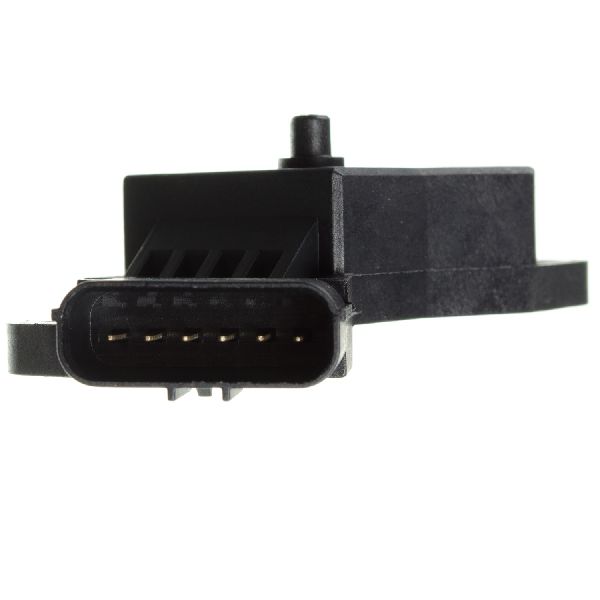
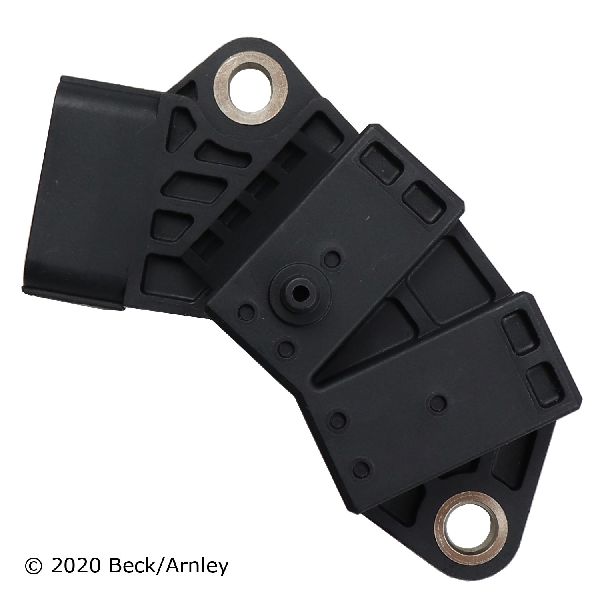
The sensor for the 2001-2009 Acura MDX is a magnetic hall-effect sensor that generates a digital square-wave signal corresponding to the teeth on the crankshaft's reluctor wheel. It is typically secured by a single 10mm bolt and uses a 3-pin electrical connector.
We Have This Part in Stock


The information in this article is provided for general reference and educational purposes only. Vehicle specifications, procedures, and part compatibility can vary by production date, trim level, and region. Always consult your vehicle's factory service manual and verify part numbers before purchasing or performing repairs. Safety-critical components such as airbags, seat belts, and braking systems should be installed by a qualified professional.
- Acura MDX:
- 🎬 Helpful Videos
- 🛍️ Shop This Part
- Is Your Acura MDX Stalling or Hard to Start? It Could Be the Crankshaft Sensor.
- Symptoms of a Failing Crankshaft Position Sensor
- Choosing the Right Aftermarket Sensor for Your MDX
- Cost of Replacing the Acura MDX Crankshaft Position Sensor
- Frequently Asked Questions (FAQ)
- 🎟️ Get 5% Off