

A Mechanic's Guide to 2001-2008 Toyota Highlander Engine Mounts
Stop the shaking and noise by choosing the right replacement engine mount for your first-generation Highlander.
- The upper 'dogbone' mount is a common failure point and is the easiest to inspect and replace.
- Be aware that budget aftermarket mounts (Anchor, DEA, Westar) can increase cabin vibration compared to the original parts.
- For the smoothest ride, consider using OEM or premium aftermarket (Beck Arnley) mounts, especially for the front hydraulic mount.
- Replacing mounts requires supporting the engine with a jack, which can be dangerous. Proceed with caution if doing it yourself.
Is Your Highlander Shaking or Clunking? It Could Be the Mounts.

If you're feeling a strong vibration at idle, especially when the car is in gear, you likely have a bad engine mount. Another common sign is a loud 'clunk' or 'thud' when you accelerate or shift from drive to reverse. This happens because a worn-out mount is allowing the engine to move too much. You might even be able to see the engine rock back and forth if a helper shifts the car between gears while you watch under the hood (with the parking brake on).
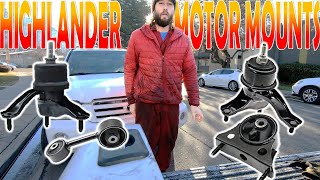
🎬 Watch: How to diagnose bad engine mounts and vibrations.Check the 'Dogbone' Mount First
The upper engine mount on the passenger side, often called a 'torque strut' or 'dogbone' mount, is a very common failure point on 2001-2008 Highlanders. It's the easiest to see and replace. Look for visible cracks in the rubber. If this mount is bad, it puts extra stress on the other, harder-to-reach mounts. Replacing it is a quick and affordable first step.
Choosing the Right Aftermarket Mount: OEM vs. Aftermarket

When it comes to engine mounts for a Toyota, there is a noticeable difference between Original Equipment (OEM) and many aftermarket brands. Toyota's original mounts use a specific rubber softness and, in some cases, hydraulic fluid to perfectly absorb your engine's vibrations. Many aftermarket mounts use harder rubber, which can cause a new, persistent vibration in the cabin right after installation. This is a common complaint from owners who choose budget-friendly options.
Aftermarket Brand Tiers for Your Highlander
- Premium Aftermarket (Beck Arnley): This brand often sources parts from the original manufacturers or provides parts that closely match OEM specifications for fit and function. For a ride quality closest to the original, Beck Arnley is a strong aftermarket choice, though it comes at a higher price.
- Standard/Economy Aftermarket (Anchor, Westar, DEA): These brands offer a significant cost saving. They are a practical choice if budget is your main concern. However, be prepared for the possibility of increased cabin vibration compared to the original mounts because they often use a harder rubber compound. Some users have negative experiences with the longevity of these brands.
A Note on Vibration: Installing a full set of economy-tier mounts can sometimes introduce more vibration than the old, worn-out OEM mounts produced. If a smooth, quiet ride is your priority, investing in OEM or a premium aftermarket brand like Beck Arnley for the main hydraulic mounts (especially the front one) is highly recommended.
How Many Mounts Does My Highlander Have?

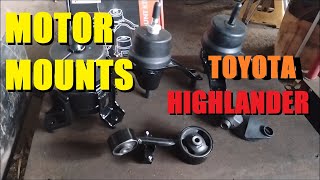
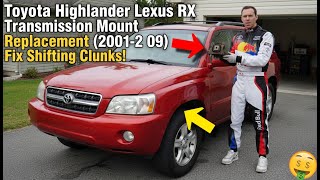
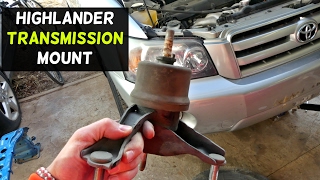
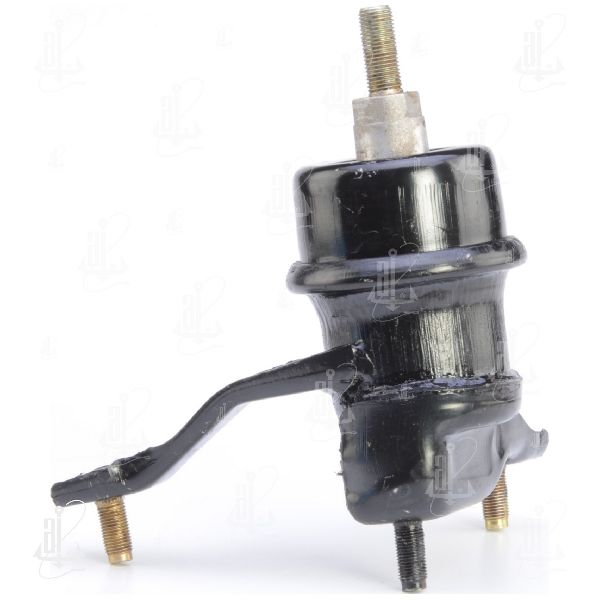
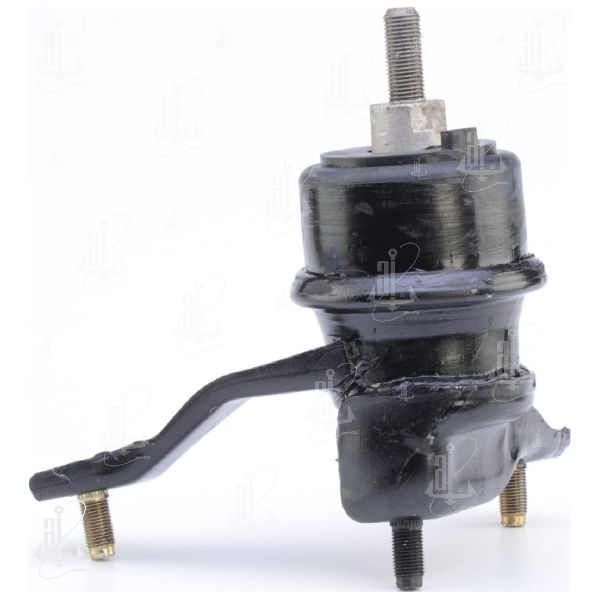
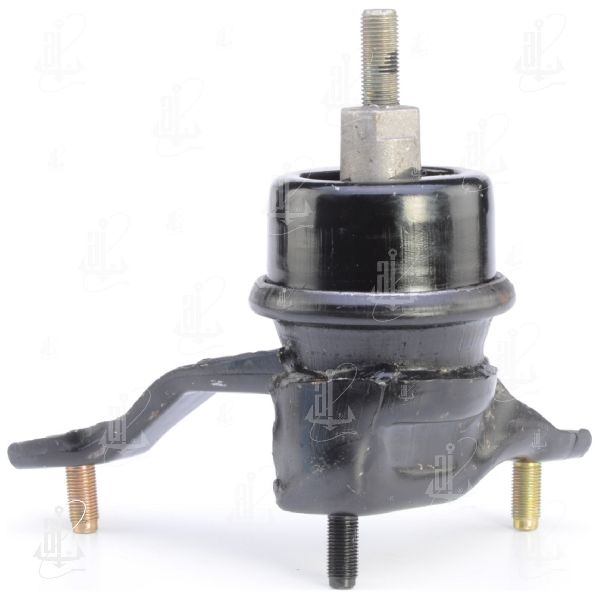
Your 2001-2008 Highlander has a set of three or four main mounts, plus the upper torque strut ('dogbone') mount. The exact number depends on your engine (2.4L 4-cylinder or 3.0L/3.3L V6) and drivetrain (2WD or 4WD). Common mounts include a front, rear, and two side 🎬 Watch: How to replace the transmission mount to fix clunks. (transmission and passenger side) mounts. The front mount is often a hydraulic type and is a common failure point along with the top dogbone mount.
| Part Type | Price Range |
|---|---|
| New Aftermarket Mounts | $13.46 - $149.96 |
| New OEM Mounts (Estimate) | $90 - $250+ per mount |
| Shop Labor (Estimate) | $718 - $1,053 |
Frequently Asked Questions
Can I replace just one bad engine mount?
Yes, you can replace just the one that has failed. However, mounts tend to wear out at a similar rate. If one has failed, the others are likely not far behind. Replacing them as a set can save you money on labor in the long run. At a minimum, it's recommended to replace the common failure points—the front mount and the upper 'dogbone' mount—at the same time.
Is it hard to replace Highlander engine mounts myself?
The upper 'dogbone' mount is very easy and requires only basic hand tools. The other mounts are more difficult. Replacement requires safely supporting the engine from below with a jack and a block of wood to take the weight off the mounts. Access can be tight, especially for the rear mount. While it is feasible for an experienced DIY mechanic, it can be a challenging job.
🎬 See this ultimate guide for replacing your Highlander's mounts.Are there any recalls for 2001-2008 Highlander engine mounts?
No, there are no specific recalls for engine mounts on the 2001-2008 Toyota Highlander. Searches for recalls and Technical Service Bulletins (TSBs) did not show any results directly related to engine mount failure for this generation.
Will a bad engine mount cause a Check Engine Light?
Generally, a failing engine mount will not trigger a Check Engine Light. The symptoms are physical and audible—vibrations and noises—rather than electronic.
Helpful Videos
Technical Specifications
OEM Part Numbers: 12372-28020 12361-28100 12362-28100 12309-28080 12363-20100
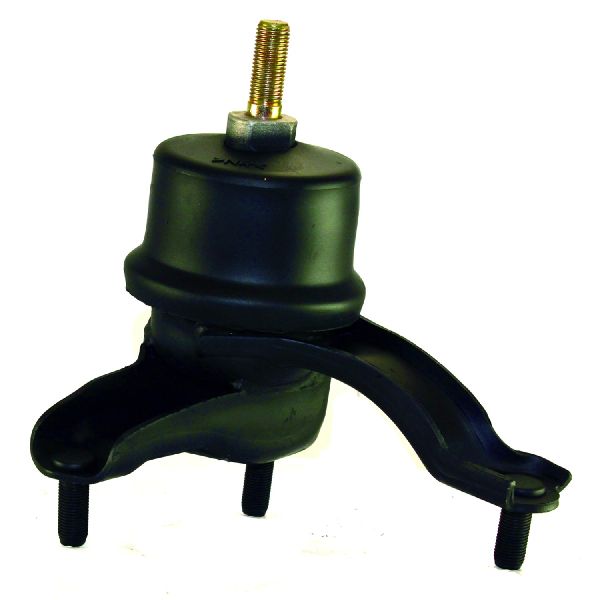
The 2001-2008 Highlander uses a combination of solid rubber and hydraulic, fluid-filled engine mounts. The number and specific type of mounts vary between the 2.4L 4-cylinder and 3.0L/3.3L V6 engines, as well as 2WD and 4WD configurations. The most frequently replaced mounts are the upper torque strut ('dogbone') and the front hydraulic mount.
We Have This Part in Stock

The information in this article is provided for general reference and educational purposes only. Vehicle specifications, procedures, and part compatibility can vary by production date, trim level, and region. Always consult your vehicle's factory service manual and verify part numbers before purchasing or performing repairs. Safety-critical components such as airbags, seat belts, and braking systems should be installed by a qualified professional.
- Toyota Highlander: