

A Guide to Replacing the Catalytic Converter on a 2001-2008 Toyota Highlander
Understand the symptoms of a failing catalytic converter and how to choose the right aftermarket replacement for your Highlander.
- Always diagnose and fix the root cause of the original converter failure (e.g., bad O2 sensors, misfires) before installing a new one.
- Determine if your state requires a more expensive CARB-compliant converter or if a Federal/EPA model is sufficient.
- V6 Highlanders have multiple catalytic converters; confirm with a mechanic which one(s) need replacement.
- Be aware that budget-friendly aftermarket converters have a higher chance of causing a recurring P0420 Check Engine Light.
Is Your Highlander's Catalytic Converter Failing?

A catalytic converter doesn't usually fail without a reason. The most common cause of failure is an underlying engine issue that needs to be fixed first. Things like engine misfires, a faulty oxygen sensor, or burning oil can send unburned fuel or contaminants into the exhaust, which can overheat and destroy the converter. Ignoring these root causes means you'll likely be replacing your new converter sooner than you think.
OEM vs. Aftermarket Converters: An Honest Look

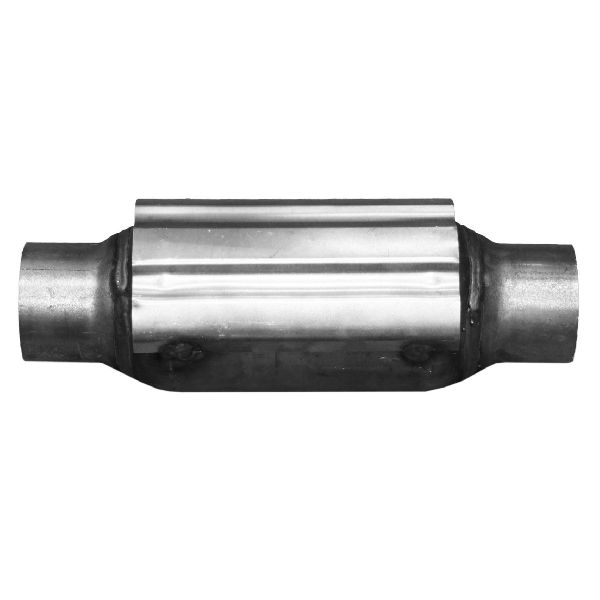
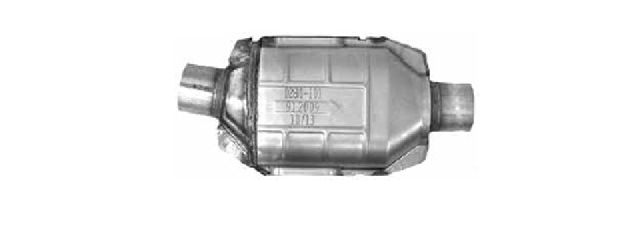
When it's time for a replacement, you have two main choices: an original equipment manufacturer (OEM) part from Toyota or an aftermarket part from another brand. OEM converters are built to last and contain a higher load of the precious metals needed to do the job effectively, but they are very expensive. Aftermarket converters are a much more affordable option, but the quality can vary significantly. Cheaper aftermarket converters use fewer precious metals, which means they may not last as long or could still trigger a Check Engine Light with a P0420 code. For an older, high-mileage Highlander, a good aftermarket part is often a practical choice.
Pro Tip: Check for the Root Cause First!
Before spending money on a new converter, have a mechanic diagnose why the original one failed. Common culprits include faulty oxygen (O2) sensors, engine misfires, or coolant/oil leaks. Replacing the converter without fixing the initial problem will lead to another failure.
Choosing the Right Aftermarket Brand

Not all aftermarket brands are created equal. They generally fall into a few tiers:
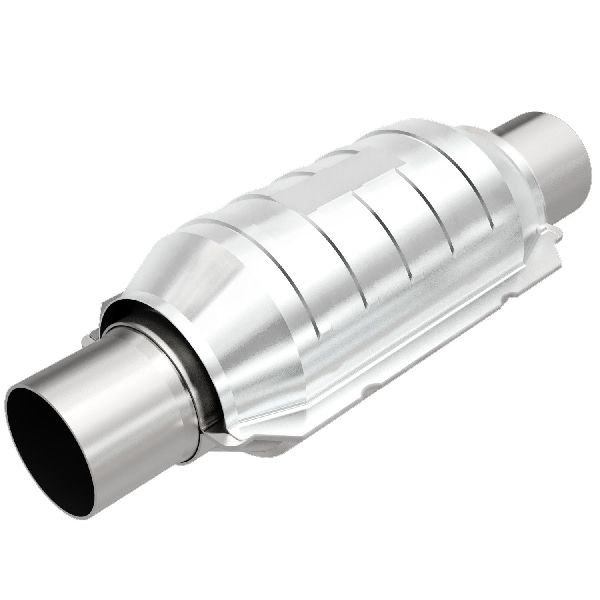
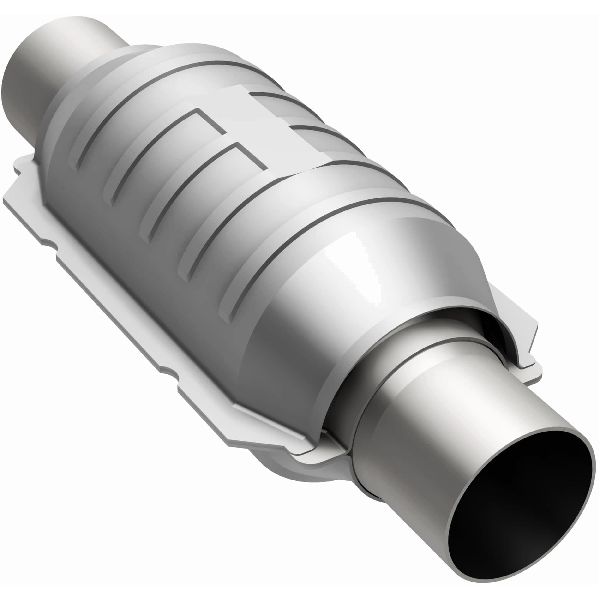
- Premium Aftermarket (e.g., MagnaFlow): Often considered a top-tier choice, MagnaFlow converters are known for durable stainless steel construction and good performance. They are more expensive than other aftermarket options but are a popular choice for those wanting a reliable, long-lasting part that is less likely to cause check engine light issues.
- Standard/Value (e.g., Walker, AP Exhaust, Eastern Catalytic): These brands offer a good balance of affordability and function. Walker is known for having a huge catalog and good fitment, even if the parts aren't as pretty as premium options. They are solid choices for a daily driver where budget is a key concern.
- Economy Brands (e.g., Evan Fischer, Davico): These are typically the most budget-friendly options. While they can get you back on the road and through an emissions test, they may have a shorter lifespan and a higher chance of triggering a P0420 code compared to premium brands.
Federal vs. CARB-Compliant: Know Your State's Law!
Some states, like California and New York, require catalytic converters to be certified by the California Air Resources Board (CARB). These parts are more expensive because they have a higher loading of precious metals to meet stricter emissions standards. Federal (EPA) converters are legal in most other states. Always check your local regulations before buying, as installing the wrong type can result in a failed emissions test.
What Will a Replacement Cost?
The cost can vary widely based on the parts you choose and local labor rates. The V6 Highlander has multiple converters, which can increase the total cost if more than one needs replacement.
| Part/Service | Estimated Cost |
|---|---|
| New Aftermarket Converter (Federal EPA) | $87 - $600 |
| New Aftermarket Converter (CARB-Compliant) | $400 - $1134 |
| New OEM Toyota Converter | $1000 - $2000+ |
| Shop Labor | $200 - $500 |
*Cost estimates are for a single converter and can vary based on your vehicle's engine and your location. V6 models may require multiple parts.
Frequently Asked Questions

Why is my check engine light still on after replacing the converter?
This is a common issue, especially with budget aftermarket converters. It often means the new converter isn't efficient enough to satisfy the vehicle's computer, triggering the P0420 code. It could also mean the root cause of the original failure, like a bad oxygen sensor, was never fixed.
What is a P0420 code?
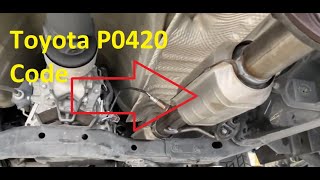
The P0420 code means "Catalyst System Efficiency Below Threshold (Bank 1)." 🎬 Watch: A mechanic explains how to diagnose these efficiency codes. In simple terms, your car's computer is comparing the readings from the oxygen sensors before and after the catalytic converter. If the readings are too similar, it concludes the converter isn't cleaning the exhaust properly.
Can I install a catalytic converter myself?
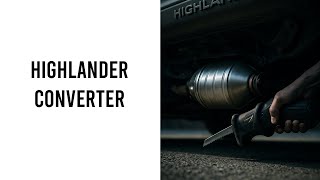
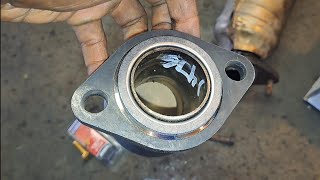
If you have the right tools and experience, yes. Most converters for the Highlander are "direct-fit," meaning they are designed to bolt on without welding. However, rusted bolts on an older exhaust system can make the job very difficult. If you're not comfortable working under your car or dealing with stubborn parts, 🎬 See this walkthrough of a Highlander catalytic converter replacement. it's best to leave this to a professional.
Is catalytic converter theft a problem for the Highlander?
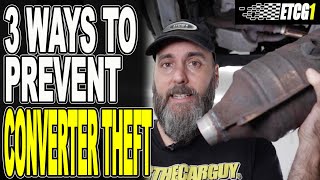
Yes, SUVs like the Highlander are common targets for catalytic converter theft because their higher ground clearance makes the converters easier to access. You can deter thieves by parking in well-lit areas or installing an anti-theft shield.
🎬 Watch: Three effective ways to prevent catalytic converter theft.Helpful Videos
Technical Specifications
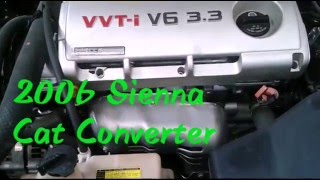
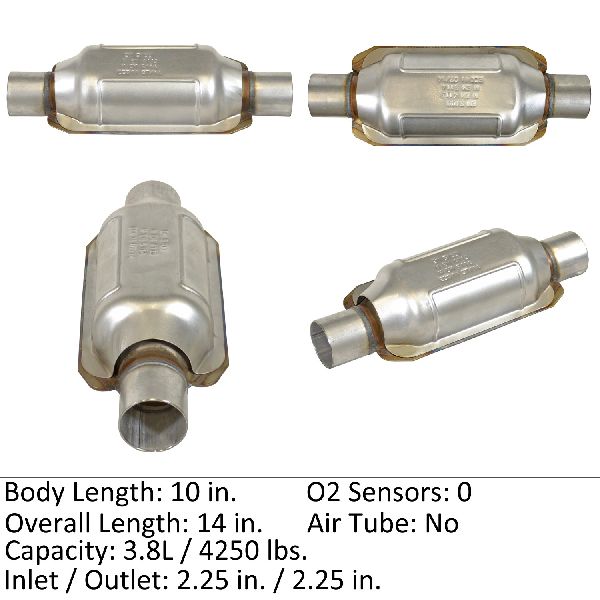
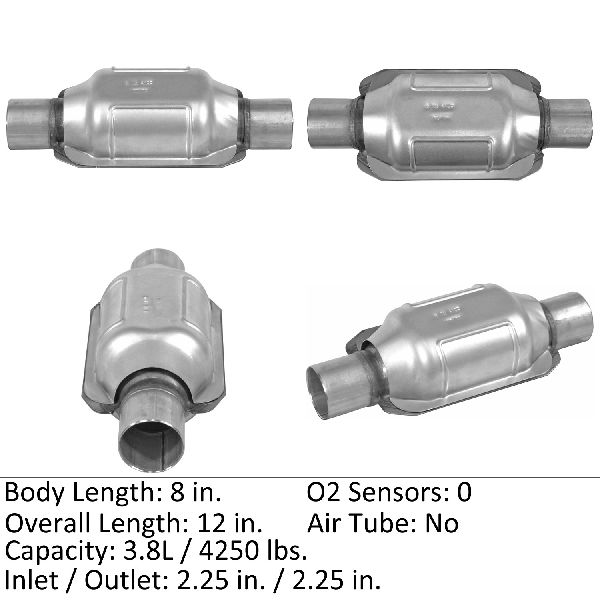
First generation (XU20) Highlanders use either a 2.4L 4-cylinder or a 3.0L/3.3L V6 engine. The V6 models feature a three-converter system (Bank 1, Bank 2, and a rear converter). Replacements are typically direct-fit and bolt-on, but require new gaskets.
We Have This Part in Stock

The information in this article is provided for general reference and educational purposes only. Vehicle specifications, procedures, and part compatibility can vary by production date, trim level, and region. Always consult your vehicle's factory service manual and verify part numbers before purchasing or performing repairs. Safety-critical components such as airbags, seat belts, and braking systems should be installed by a qualified professional.
- Toyota Highlander: