

A Practical Guide to the 2001-2008 Hyundai Elantra Oxygen Sensor
Fix your check engine light and poor gas mileage by understanding and choosing the right oxygen sensor for your Elantra.
- Your 2001-2008 Elantra has two O2 sensors; confirm if you need the upstream (for fuel control) or downstream (for emissions check) before buying.
- For the best reliability and fit, choose aftermarket brands known for OEM quality, such as Denso or NGK/NTK.
- Ignoring a bad O2 sensor can lead to poor performance, high fuel costs, and eventual damage to the much more expensive catalytic converter.
- A special O2 sensor socket is a small investment that makes this DIY job significantly easier and safer for the part.
Is Your Elantra's Oxygen Sensor Failing?

An oxygen (O2) sensor in your 2001-2008 Hyundai Elantra typically lasts between 60,000 to 100,000 miles before it wears out. When it starts to fail, it can't send accurate readings to your car's computer. This can cause a variety of noticeable problems that affect your car's performance and your wallet.
Key Symptoms of a Bad O2 Sensor:
- Check Engine Light: This is the most common sign. A diagnostic scan will often show codes related to the O2 sensor's heater circuit (like P0030) or its performance (codes in the P0130-P0167 range).
- Worse Gas Mileage: A bad sensor can cause the engine to use too much fuel, leading to more frequent trips to the gas station.
- Rough Idle and Misfires: Your Elantra might shake at stoplights or hesitate when you accelerate because the engine isn't getting the right air-fuel mix.
- Failed Emissions Test: An O2 sensor is essential for controlling your car's pollution. A faulty one will almost guarantee a failed smog test.
- Rotten Egg Smell: In some cases, a bad fuel mixture can overheat the catalytic converter, producing a sulfur or rotten egg smell from the exhaust.
Don't Ignore a Failing Sensor
While you can drive with a bad O2 sensor, it's not a good idea for long. Continuing to drive can lead to very poor fuel economy and, more importantly, can damage your expensive catalytic converter. Replacing an O2 sensor is much cheaper than replacing a converter.
Choosing the Right Aftermarket O2 Sensor

For the 2001-2008 Elantra, you don't need to buy the most expensive sensor from the dealer to get good performance. Many aftermarket brands offer excellent quality, and some are even the original equipment (OE) manufacturers for Hyundai.
Brand Quality Tiers for Hyundai Elantra
- Top Tier (OEM Quality): Denso and NGK (NTK) are widely regarded as original equipment suppliers for many Japanese and Korean vehicles, including Hyundai. Choosing one of these brands is the closest you can get to the original part's quality and is highly recommended for reliability and fit.
- Mid Tier (Trusted Aftermarket): Bosch and Delphi are major, reputable brands with a long history of making quality sensors. Bosch invented the automotive oxygen sensor and is a very reliable choice. These brands provide a great balance of price and performance.
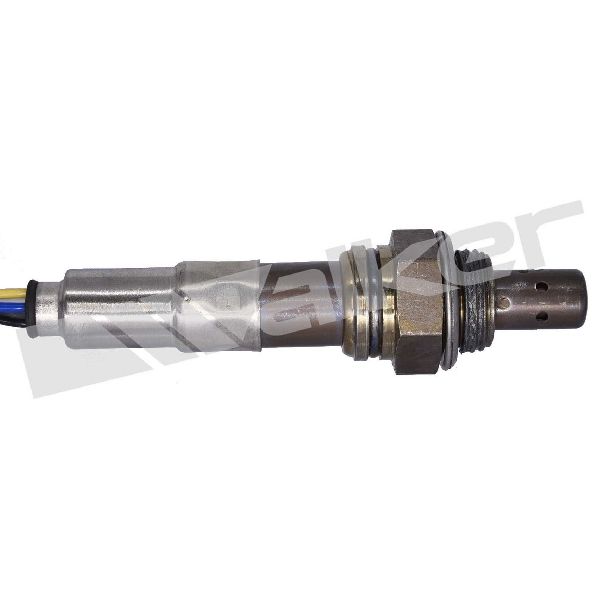
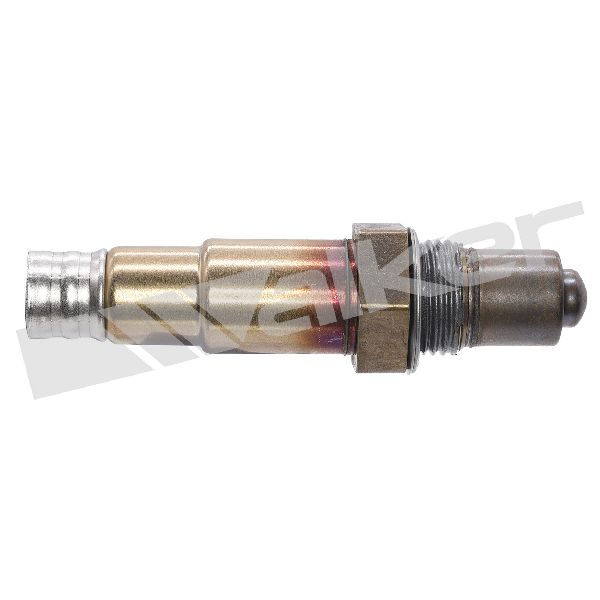
- Economy Tier: Brands like Walker Products and DriveWire offer a more budget-friendly option. While they are designed to be direct-fit replacements, long-term durability can sometimes be a concern compared to top-tier brands, according to some owner forums.
Upstream vs. Downstream: Don't Mix Them Up!
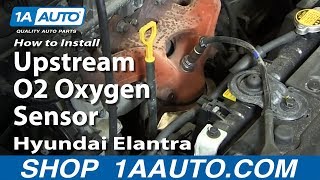
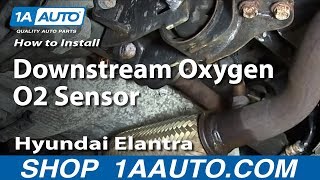
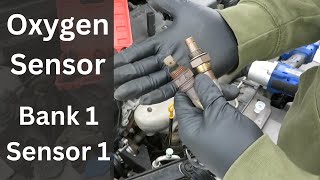
Your Elantra has two sensors that look similar but have different jobs and part numbers. The upstream sensor (Bank 1, Sensor 1) is on the exhaust manifold before the catalytic converter and is vital for fuel control. The downstream sensor (Bank 1, Sensor 2) is located after the catalytic converter and mainly monitors its efficiency. Always confirm which sensor you need before ordering.
Cost of Replacing an Elantra Oxygen Sensor
The cost depends on whether you do it yourself or go to a shop. The part itself is affordable, but labor can add up.
| Item | Estimated Cost |
|---|---|
| New Aftermarket Sensor | $41 - $301 |
| New OEM Sensor | $195 - $470 |
| Shop Labor | $80 - $150 |
| Total (DIY) | $41 - $301 |
| Total (Shop) | $121 - $620 |
Frequently Asked Questions

How many oxygen sensors does my 2001-2008 Elantra have?
Your Elantra has two oxygen sensors. One is the upstream sensor (also called an air-fuel ratio sensor) located on the exhaust manifold, and the other is the downstream sensor located after the catalytic converter.
Do I need a special tool for replacement?
Yes, it is highly recommended to use an oxygen sensor socket. This special tool has a slot on the side that allows it to fit over the sensor's wire. Using one makes the job much easier and prevents damage to the new sensor's wiring.
Can I clean my old O2 sensor?
It is not recommended. O2 sensors fail because the internal sensing elements get contaminated or simply wear out. Cleaning the outside will not fix the internal problem. Replacement is the only reliable solution.
Is this a good DIY project?
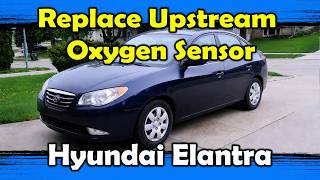
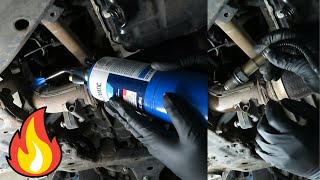
Yes, for many people with basic tools, this is a very manageable DIY job. The sensors can sometimes be stuck due to rust, so having some penetrating fluid on hand is a good idea. The upstream sensor is usually accessible from the top of the engine bay after removing a heat shield, while the downstream sensor is accessed from under the car.
Were there any recalls for the Elantra O2 sensor?
No. Searches of the National Highway Traffic Safety Administration (NHTSA) database did not find any recalls or technical service bulletins (TSBs) specifically related to the oxygen sensors for the 2001-2008 Hyundai Elantra.
Helpful Videos

Technical Specifications
OEM Part Numbers: 39210-23900 39210-23910 39210-23950
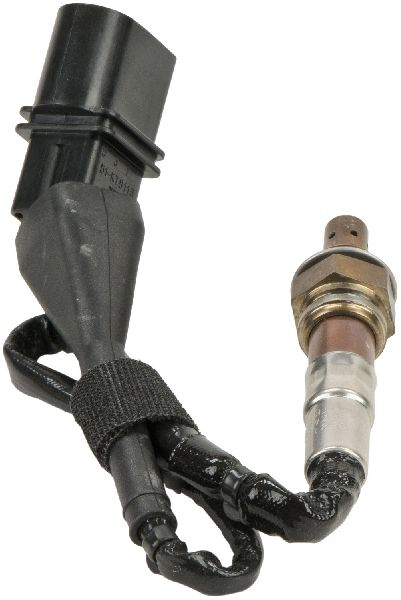
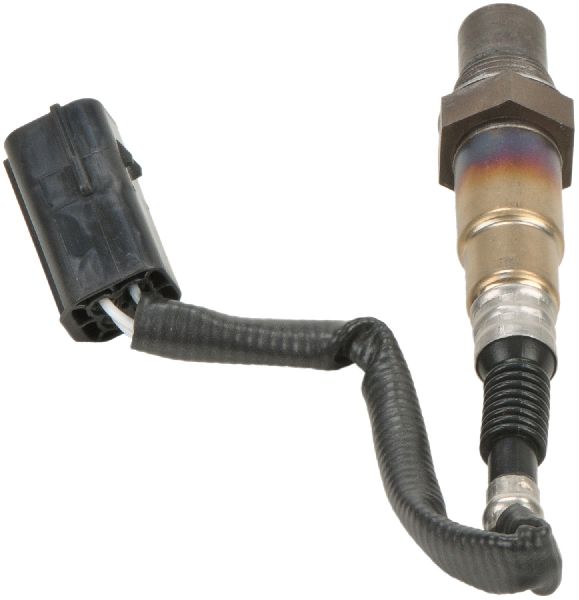
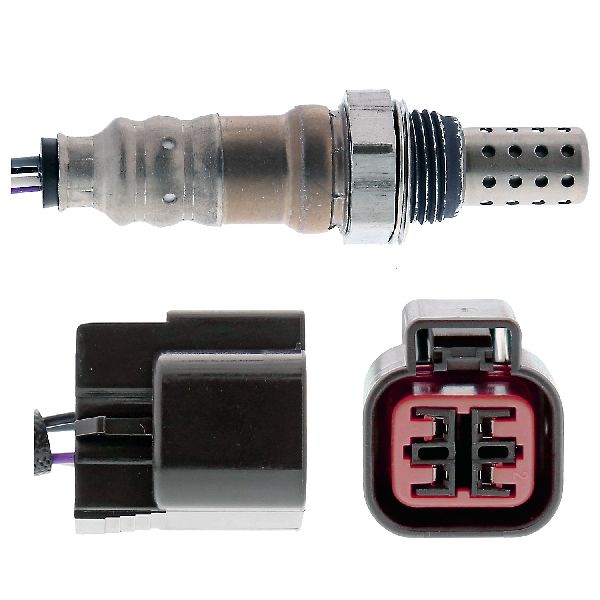
The 2001-2008 Hyundai Elantra uses two heated oxygen sensors. The upstream sensor is an Air/Fuel Ratio Sensor, and the downstream sensor is a traditional oxygen sensor. Both are crucial for the proper functioning of the fuel injection and emissions systems.
We Have This Part in Stock


The information in this article is provided for general reference and educational purposes only. Vehicle specifications, procedures, and part compatibility can vary by production date, trim level, and region. Always consult your vehicle's factory service manual and verify part numbers before purchasing or performing repairs. Safety-critical components such as airbags, seat belts, and braking systems should be installed by a qualified professional.
- Hyundai Elantra: