

Ford F-250 Starter Replacement Guide for 2001-2008 Models
Don't get stranded by a bad starter—here’s what you need to know to get your Super Duty cranking again.
- Always confirm your engine type (gas or diesel) before ordering, as the starters are not interchangeable.
- Symptoms like a 'click' or slow crank can also be caused by a weak battery, bad cables, or a faulty relay; check these simple items first.
- The top mounting bolt is notoriously difficult to access; be prepared with long extensions and a swivel socket.
- For diesel models, a quality aftermarket starter is a good investment, and some owners upgrade to a newer-style starter for faster cranking.
Is Your F-250 Starter Failing?

A starter rarely fails without warning. For a 2001-2008 F-250, the signs are usually clear. Paying attention to these symptoms can prevent you from being stranded. Many starting problems can also be caused by a weak battery or corroded cables, so always check those simple things first.
Key Failure Symptoms:
- The "Click-Click-Click": This is the classic sign. You turn the key, and instead of the engine cranking, you hear a rapid clicking noise. This means the starter's solenoid is trying to work, but the motor doesn't have the strength to turn the engine.
- Slow Engine Crank: The engine sounds sluggish and turns over slower than usual, especially in the cold. This indicates the starter motor is getting weak and struggling to do its job.
- Grinding Noise: A harsh, metallic grinding sound when you try to start the engine is a serious warning. It means the starter gear is not meshing correctly with the flywheel and could be causing expensive damage.
- Intermittent Starting: Your truck starts perfectly one day and refuses to crank the next. This points to worn electrical contacts or dead spots inside the starter motor.
- Smoke or a Burning Smell: If you see or smell smoke coming from the engine area when trying to start the truck, stop immediately. This can be caused by the starter overheating and pulling too much electrical current, creating a fire risk.
⚠️ Important: Gas vs. Diesel Starters Are Different
The starter for a gas engine (5.4L V8 or 6.8L V10) is NOT the same as the starter for a diesel engine (7.3L, 6.0L, or 6.4L Power Stroke). Diesel engines require much larger, more powerful starters to overcome their high compression. Ordering the wrong part is a common mistake, so always confirm your truck's engine before purchasing.
Choosing a New Aftermarket Starter

For a truck that's over 15 years old, a new aftermarket starter offers the best balance of value and reliability. OEM starters from a dealer are expensive, and their availability for older models can be limited.
Aftermarket quality can range from poor to excellent. A cheap, no-name part might save you money upfront, but it could fail prematurely, forcing you to do the job twice. It's better to choose a quality aftermarket brand that is built to meet or exceed original specifications.
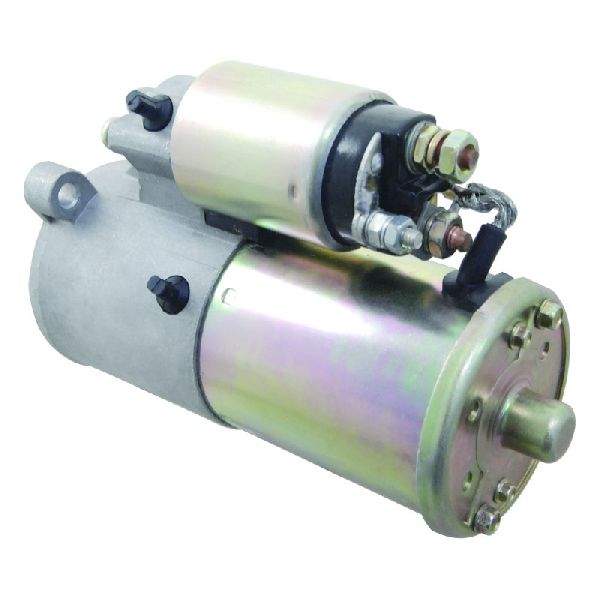
- Tier 1 (Standard Replacement): Brands like WAI Global offer new starters that are designed to be direct, OE-quality replacements. They provide a reliable solution for daily driving and normal use without the high cost of an OEM part. Reviews for WAI starters are generally positive, often noting strong cranking performance.
- Tier 2 (High-Torque/Upgraded): For Power Stroke diesel owners, especially those with a 7.3L or 6.0L, a popular modification is to install a high-torque starter or one designed for a newer 6.4L/6.7L truck. These provide faster cranking speeds, which helps with cold starts. 🎬 Watch: How to upgrade your 6.0 Powerstroke with a 6.7 starter.
Pro Tip: Check the Starter Relay First
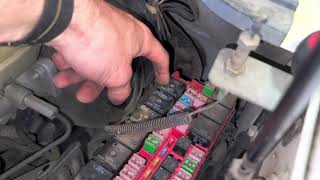
🎬 Watch: How to find and test your starter relay and fuses.On these F-250s, a faulty starter relay in the under-hood fuse box can mimic the symptoms of a bad starter. Before replacing the starter, try swapping the starter relay with an identical one from a non-essential system (like the trailer lights) to see if the problem goes away. It's a simple, five-minute test that could save you a lot of time and money.
Cost of Replacing a 2001-2008 F-250 Starter
| Part/Service | Estimated Cost |
|---|---|
| New Aftermarket Starter | $130 - $200 |
| New OEM Starter | $260 - $330 |
| Remanufactured Starter | $150 - $300 |
| Shop Labor | $122 - $178 |
| Total (DIY Aftermarket) | $130 - $200 |
| Total (Shop Install Aftermarket) | $250 - $380 |
Frequently Asked Questions (FAQ)

Is replacing the F-250 starter a DIY job?
Yes, it is a manageable DIY job for someone with moderate mechanical skill. The starter is located on the passenger side of the transmission. The main difficulty is accessing the top mounting bolt, which is hard to reach and may require long socket extensions and a swivel.
🎬 See this trick for replacing the starter without fighting the top bolt.Are there any recalls on the 2001-2008 F-250 starter?
No, there have been no official recalls issued by Ford or the NHTSA specifically for starter motor failure on the 2001-2008 F-250 models.
What are common installation mistakes?
For the 6.0L Power Stroke, the biggest mistake is improperly positioning the heavy battery cable on the solenoid terminal and over-tightening the nut. This can crack the new starter's solenoid housing. The cable must sit flush, and the nut should be torqued to specification (around 9 ft-lbs). Another common issue is simply not disconnecting the battery before starting work, which is extremely dangerous.
My new starter just clicks. Is it bad?
Not necessarily. Before blaming the new starter, confirm your battery is fully charged and the battery terminals are clean and tight. A single click often points to a power delivery problem. Double-check that the main power cable and the small signal wire are both securely attached to the new starter.
Helpful Videos
Technical Specifications
Varies significantly by engine. Starters for gas (5.4L, 6.8L) and diesel (7.3L, 6.0L, 6.4L) engines have different power ratings, gear designs, and mounting configurations. Always verify fitment by VIN or specific engine type.
We Have This Part in Stock

The information in this article is provided for general reference and educational purposes only. Vehicle specifications, procedures, and part compatibility can vary by production date, trim level, and region. Always consult your vehicle's factory service manual and verify part numbers before purchasing or performing repairs. Safety-critical components such as airbags, seat belts, and braking systems should be installed by a qualified professional.
- Ford F-250: