

Engine Coolant Thermostat Guide for the 2001-2008 Chevrolet Tracker
Learn about common thermostat failures and how to choose the right replacement part for your Tracker.
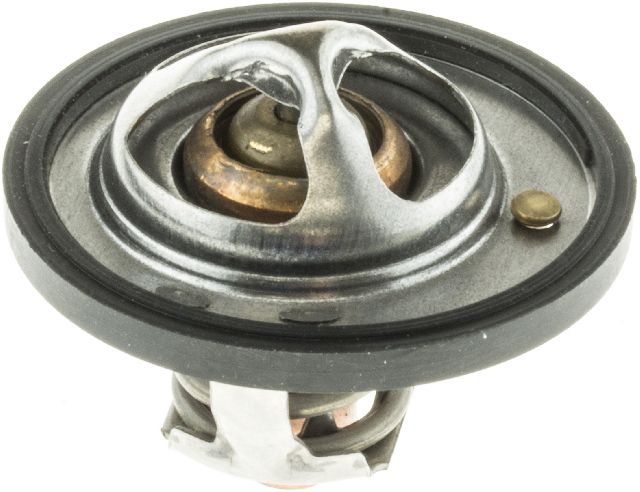
- A thermostat stuck open is the most common failure, typically causing a P0128 check engine light code.
- A thermostat stuck closed will cause rapid overheating and can lead to severe engine damage if not addressed immediately.
- For best results and reliability, an OEM thermostat is often recommended over aftermarket options like Gates or Motorad for this vehicle.
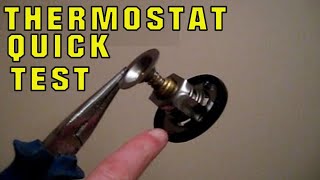
- Always test a new thermostat in a pot of boiling water before installation to ensure it functions correctly.
Is Your Chevrolet Tracker Thermostat Failing?
The engine coolant thermostat is a common failure point on many vehicles, including the 2001-2008 Chevrolet Tracker. It can fail in two ways: stuck open or stuck closed. A stuck-open thermostat is the most frequent issue and will usually cause your Check Engine Light to come on. A thermostat stuck closed is more dangerous, leading to rapid overheating that can cause severe engine damage.
Common Symptoms of a Bad Thermostat
- Check Engine Light On: A thermostat that is stuck open or slow to respond will often trigger the code P0128.
- Engine Overheating: If the thermostat is stuck closed, the temperature gauge will climb into the red zone quickly. You may see steam from under the hood.
- Engine Runs Too Cold: If the thermostat is stuck open, your Tracker will take a very long time to warm up. The temperature gauge may stay low or even drop while driving on the highway.
- Poor Heater Performance: Your cabin heater may blow cold or only lukewarm air because the engine isn't reaching a hot enough temperature.
- Temperature Gauge Fluctuates: The needle may swing from cool to hot and back again, indicating the thermostat is not regulating temperature correctly.
Critical Warning: Do Not Ignore Overheating
If your temperature gauge enters the red, pull over immediately and shut off the engine once it is safe to do so. Driving with an overheating engine can lead to warped cylinder heads and catastrophic engine failure, resulting in very expensive repairs.
Choosing the Right Aftermarket Thermostat
For the 2001-2008 Chevrolet Tracker, you have options when it comes to replacement thermostats. While OEM is an option, many owners choose aftermarket parts. Here's an honest breakdown of what to expect.
OEM vs. Aftermarket (Gates, Motorad)
For a critical part like a thermostat, reliability is key. Forum discussions among vehicle owners often point to OEM thermostats being more reliable and better constructed than many aftermarket alternatives. Some users have reported issues with aftermarket brands like Gates and Motorad, citing incorrect temperature readings or premature failure. Interestingly, some brands may source their thermostats from other manufacturers; for example, it's been noted that some Gates boxes contain Motorad-stamped parts.
- Good (Budget): Brands like Motorad and Gates offer a cost-effective solution. They are widely available and will restore function. However, their quality control can be inconsistent, with a higher chance of getting a faulty part out of the box compared to OEM.
- Better (Recommended Aftermarket): Some owners report success with Japanese-made thermostats from brands like AISIN, which may be closer to the original Suzuki design of your Tracker.
- Best (OEM): An original GM or Suzuki thermostat is generally considered the most reliable, hassle-free option, though it comes at a higher price.
Pro Tip: Test Before You Install
Regardless of the brand you choose, it's wise to test your new thermostat before installing it. Simply place it in a pot of water on the stove and heat it. Watch to see that the thermostat opens as the water approaches boiling. This simple test can save you from having to do the job twice.
🎬 Watch a quick demonstration of testing a thermostat in hot water.Cost of Replacing a Chevrolet Tracker Thermostat
The cost will vary depending on whether you do the work yourself or take it to a repair shop.
| Part/Service | Estimated Cost |
|---|---|
| New Aftermarket Thermostat (DIY) | $10 - $40 |
| New OEM Thermostat (DIY) | $50 - $90 |
| Shop Labor | $150 - $250 |
| Total Professional Replacement | $160 - $290 |
Frequently Asked Questions
What does the P0128 trouble code mean?
The P0128 code means "Coolant Temperature Below Thermostat Regulating Temperature." In simple terms, the engine's computer has detected that the engine is not warming up as quickly as it should. The most common cause by far is a thermostat that is stuck in the open position.
Is replacing the thermostat a DIY job?
Yes, for a moderately skilled DIYer. The thermostat is located on the top of the engine. The job involves partially draining the coolant, removing the upper radiator hose from the thermostat housing, unbolting the housing, swapping the thermostat, and then reassembling and refilling the coolant. Be prepared for a couple of hard-to-reach bolts.
Were there any recalls for the Tracker thermostat?
No. Searches of the National Highway Traffic Safety Administration (NHTSA) database show no recalls or technical service bulletins (TSBs) related to the engine coolant thermostat for the 2001-2008 Chevrolet Tracker.
What kind of coolant should I use?
Always use the coolant type specified in your owner's manual. Using the wrong type can cause corrosion and damage to your cooling system. Generally, a universal green or yellow extended-life coolant is acceptable for these vehicles, but always check the bottle for compatibility.
Helpful Videos

Technical Specifications
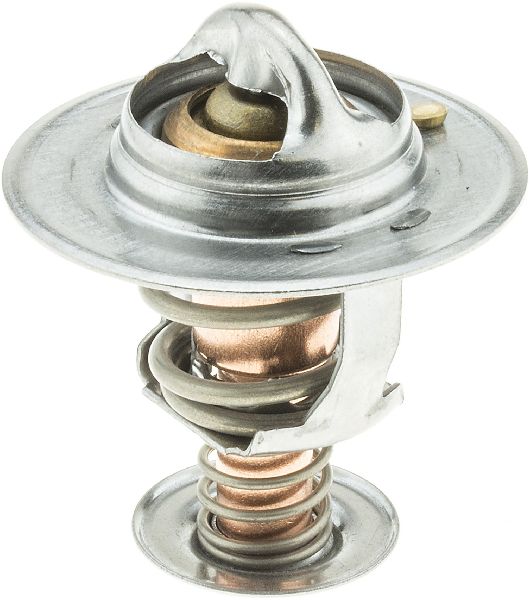
The correct thermostat for the Chevrolet Tracker typically begins to open at 180°F (82°C) or 195°F (90°C) depending on the specific engine (2.0L I4 or 2.5L V6). Always confirm the correct temperature rating for your specific vehicle with your VIN.
We Have This Part in Stock


The information in this article is provided for general reference and educational purposes only. Vehicle specifications, procedures, and part compatibility can vary by production date, trim level, and region. Always consult your vehicle's factory service manual and verify part numbers before purchasing or performing repairs. Safety-critical components such as airbags, seat belts, and braking systems should be installed by a qualified professional.
- Chevrolet Tracker: