

A Professional Mechanic's Guide to the 2001-2007 Peterbilt 357 Accessory Drive Belt
Keep your rig's essential systems running by knowing the signs of a failing accessory drive belt.
- Inspect the belt regularly for cracks and fraying; replace it before it fails completely.
- Belt noise is a warning sign; squealing often points to a weak tensioner, while chirping suggests misaligned pulleys.
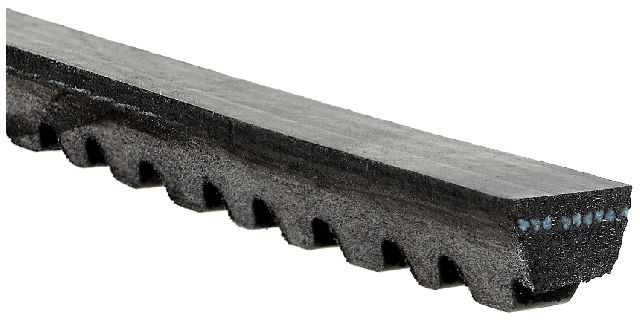
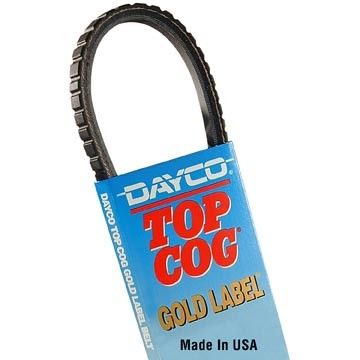
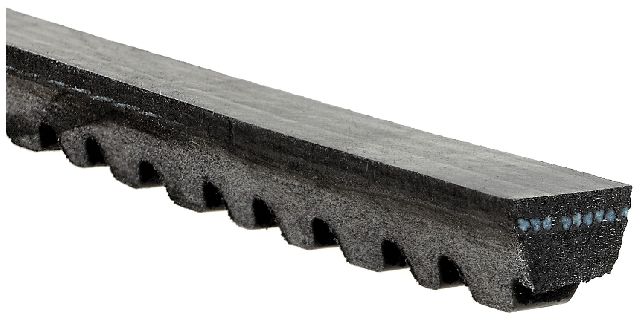
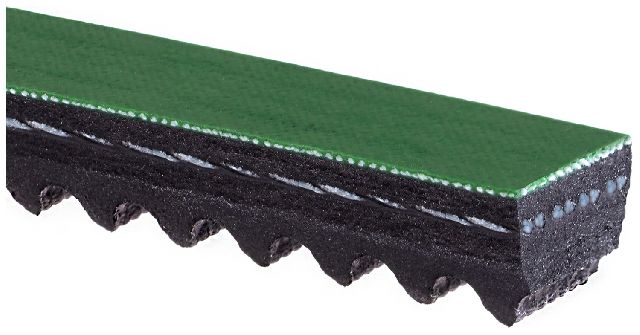
- Aftermarket brands like Gates and Dayco offer OEM-quality performance at a lower cost.
- A broken belt will shut your truck down. Carrying a spare belt and tools can save you from a costly tow.
Is Your Accessory Drive Belt Failing?
A drive belt on a heavy-duty truck works hard. Heat, mileage, and constant tension cause it to wear out. Ignoring the warning signs can leave you stranded. Look for these common symptoms of a worn or failing belt.
- Squealing or Chirping Noises: A high-pitched squeal, especially on startup or when accelerating, often means the belt is slipping. This can be caused by a worn belt, low tension from a weak tensioner, or fluid contamination from an oil or coolant leak. A persistent chirp often points to a misaligned pulley.
- Visible Cracks, Fraying, or Glazing: A visual inspection is key. Look for multiple cracks in the belt's ribs, frayed edges, or a smooth, shiny appearance on the belt's surface (glazing). If you see cracks every 1-2 cm, the belt has little life left.
- Battery or Temperature Warning Lights: If the belt breaks, the alternator stops charging the battery, which will trigger the battery warning light. The water pump also stops, which will cause the engine to overheat very quickly, triggering a high-temperature warning.
- Loss of Power Steering or A/C: Since the belt drives these components, a sudden loss of power steering assist or air conditioning function points to a belt failure.
Choosing the Right Aftermarket Belt
When it's time for a replacement, you have a choice between OEM (from Peterbilt) and aftermarket belts. While an OEM belt is a guaranteed fit, quality aftermarket brands offer comparable, and sometimes identical, performance for a fraction of the price. In fact, many aftermarket manufacturers like Gates are the original suppliers for truck makers.
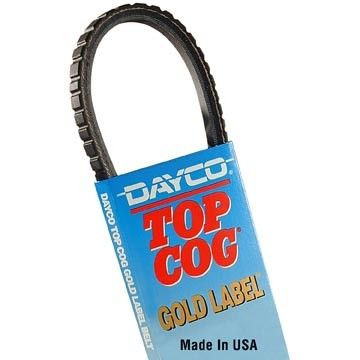
For the 2001-2007 Peterbilt 357, two of the most common and reliable aftermarket brands are Dayco and Gates.
- Gates: Often considered a top-tier brand and an OEM supplier for many companies, including PACCAR. Their heavy-duty belts, like the FleetRunner line, are made from modern EPDM rubber that resists cracking and heat.
- Dayco: Another long-standing, reputable manufacturer that produces quality belts. Like Gates, their belts use durable EPDM compounds and are trusted by many mechanics.
Both Gates and Dayco are solid choices. Forum users have had good experiences with both brands. More important than the specific brand is ensuring the rest of the drive system is healthy. A new belt on a worn-out tensioner or misaligned pulley will fail prematurely.
Estimated Replacement Costs
| Item | Estimated Cost |
|---|---|
| New Aftermarket Belt (Dayco, Gates) | $26 - $48 |
| New OEM PACCAR Belt | $60 - $160+ |
| Shop Labor | $100 - $200 |
| Total (Aftermarket Part + Labor) | $126 - $248 |
A Note on Tensioners and Pulleys
The automatic belt tensioner is a critical part. It's a spring-loaded part that keeps the belt tight. When it weakens, the belt can slip, squeal, and wear out faster. It's often recommended to replace the tensioner and any idler pulleys at the same time as the belt, especially on high-mileage trucks. The extra cost is small compared to the cost of another breakdown.
Frequently Asked Questions
How often should I replace the accessory drive belt?
There is no exact mileage. It's best to inspect the belt during regular service intervals (like oil changes) starting around 50,000 miles on the belt. On a working truck, visual inspection is more important than mileage. Replace it at the first sign of significant cracking, fraying, or other damage.
What's the real difference between Dayco and Gates belts?
Both are top-tier aftermarket brands that make belts from similar, durable EPDM rubber compounds. Both are used as OEM suppliers. While some mechanics have personal preferences, you can expect reliable performance from either brand, provided the rest of your drive system is in good condition.
Should I replace the belt tensioner at the same time?
Yes, it's highly recommended, especially if you have over 100,000 miles on the current tensioner or if you're experiencing belt noise. The tensioner is a wear item. Replacing it with the belt ensures the entire system works correctly and prevents the new belt from wearing out prematurely.
Is there a recall on the accessory drive belt for my Peterbilt 357?
No, searches of the NHTSA database did not find any recalls or technical service bulletins (TSBs) specifically for the accessory drive belt system on the 2001-2007 Peterbilt 357.
Pro Tip for the Road
Experienced drivers often carry a spare accessory drive belt and the tools needed to change it (usually a breaker bar or large ratchet for the tensioner). The replacement is a relatively simple job that can be done on the side of the road in under an hour, saving you the cost and downtime of a tow.
Technical Specifications
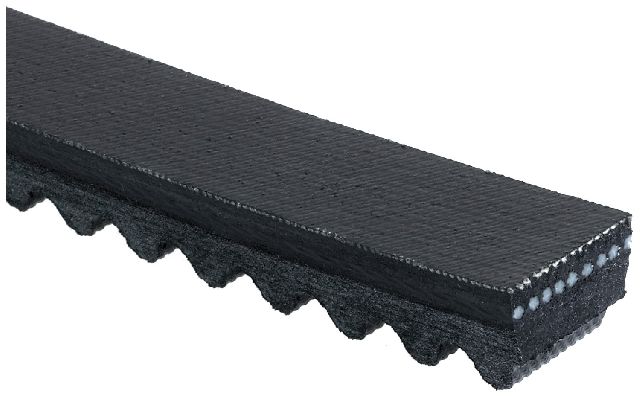
Belt material is typically EPDM (Ethylene Propylene Diene Monomer) rubber. It is critical to match the new belt's length and rib count to your specific engine configuration (e.g., Caterpillar, Cummins) within the Peterbilt 357.
We Have This Part in Stock

The information in this article is provided for general reference and educational purposes only. Vehicle specifications, procedures, and part compatibility can vary by production date, trim level, and region. Always consult your vehicle's factory service manual and verify part numbers before purchasing or performing repairs. Safety-critical components such as airbags, seat belts, and braking systems should be installed by a qualified professional.
- Peterbilt 357: