

Oxygen Sensor Guide for 2001-2007 Chevrolet Express 3500
Fix your check engine light and poor gas mileage by choosing the right oxygen sensor for your van.
- Your van has four O2 sensors: two upstream for fuel control and two downstream for catalyst monitoring.
- Stick with direct-fit ACDelco, Denso, or NGK/NTK sensors for the best compatibility with your van's computer.
- A bad O2 sensor will cause poor fuel economy and can lead to expensive catalytic converter damage if ignored.
- Replacing a sensor can be a DIY job, but a special socket is required and old sensors can be difficult to remove if rusted.
Is Your Express Van Running Rough? It Could Be a Bad Oxygen Sensor.

If your check engine light is on and your van isn't running right, a failing oxygen sensor is a common cause. These sensors work in the hot, dirty environment of your exhaust system and wear out over time. Ignoring a bad O2 sensor can lead to poor fuel economy, failed emissions tests, and even expensive damage to your catalytic converters.
Symptoms of a Failing O2 Sensor
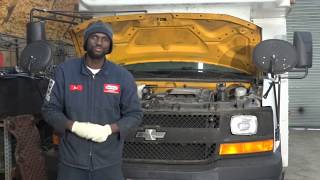
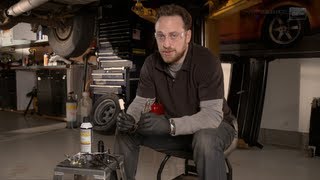
- Check Engine Light: This is the most common sign. A code scanner will often point to a specific sensor that has failed, such as P0135 or P0155. 🎬 Watch: How to diagnose and fix Express O2 sensor codes.
- Poor Fuel Economy: When the sensor fails, the engine's computer may default to a 'rich' fuel mixture, meaning it uses more gas than it needs to.
- Rough Idle or Engine Misfires: An incorrect air-fuel mixture can cause your engine to run poorly, especially at idle.
- Bad Smell from Exhaust: A rich fuel mixture can create a 'rotten egg' or sulfur smell from your exhaust pipe. This is a sign that the catalytic converter is being overworked.
- Failed Emissions Test: A bad O2 sensor will prevent your vehicle from passing an emissions inspection.
Don't Ignore a Bad O2 Sensor
Continuing to drive with a bad oxygen sensor can be costly. The rich fuel mixture can overheat and destroy your catalytic converters, a much more expensive repair than replacing an O2 sensor.
Choosing the Right Aftermarket Oxygen Sensor

You don't need to buy the most expensive sensor, but you should be careful about choosing the cheapest one. For GM vehicles like your Express van, using a sensor that communicates properly with the engine computer is critical. Based on owner experiences and mechanic recommendations, here is a breakdown of available brands.
Tier 1: OEM & OEM-Equivalent Brands
These are your safest and most reliable choices. They are either the original part manufacturer or are known to work perfectly with your van's computer.
- ACDelco: This is GM's own parts brand and the original equipment manufacturer (OEM). You can't go wrong with an ACDelco sensor.
- Denso: Denso is a well-respected Japanese parts manufacturer that often makes the original sensors for many car companies, including GM. Many mechanics consider them to be identical to ACDelco in quality and performance, but often at a lower price.
Tier 2: Reputable Aftermarket Brands
These brands have a strong reputation for quality and are a solid choice if you're looking for a balance of price and performance.
- NGK: Also known as NTK for their sensors, this is another top-tier Japanese brand known for making high-quality ignition and sensor components that work well on GM vehicles.
- Delphi: Delphi is another major OEM supplier with a long history with General Motors. Their sensors are generally considered a reliable and cost-effective option.
Tier 3: Value Brands
These brands can save you money, but quality can sometimes be inconsistent. They may be a good option for a downstream sensor, which is less critical to engine performance than an upstream sensor.
- Walker Products: Walker is known as an economy brand, but some reports indicate they use quality sensor components from manufacturers like Denso or NTK in their assemblies.
- DriveWire, Spectra, Vemo: These are budget-friendly options. Ensure you get a 'direct-fit' sensor with the correct plug to avoid installation headaches.
A Note on Bosch Sensors for Your Express Van
While Bosch is a major, high-quality parts manufacturer, many GM owners and mechanics report issues when using their oxygen sensors on Chevrolet vehicles. The sensors may be calibrated differently and can cause persistent check engine lights or performance problems. It is generally recommended to choose ACDelco, Denso, or NGK/NTK for your Express van to ensure compatibility.
Cost of Replacing an Oxygen Sensor

| Item | Estimated Cost |
|---|---|
| New Aftermarket Oxygen Sensor (DIY) | $33 - $109 per sensor |
| Shop Labor | $61 - $90 per sensor |
| Total Professional Replacement (1 Sensor) | $310 - $426 |
Frequently Asked Questions

How many oxygen sensors does my 2001-2007 Express 3500 have?
Your van has four oxygen sensors. Two upstream (before the catalytic converters) and two downstream (after the catalytic converters).
Which sensor is Bank 1, Sensor 1?
Here is how the sensors are identified:
- Bank 1 is the driver's side of the engine.
- Bank 2 is the passenger's side of the engine.
- Sensor 1 is the upstream sensor (before the catalytic converter).
- Sensor 2 is the downstream sensor (after the catalytic converter).
Do I need to replace all four sensors at once?
No, you typically only need to replace the one that has failed. However, O2 sensors have a limited lifespan, and they tend to fail around the same time. If one has failed and your van has high mileage, it may be a good idea to replace them in pairs (both upstream or both downstream) to save yourself future work. Some mechanics recommend replacing all four on vehicles over 10 years old or with over 60,000 miles.
I replaced the sensor, but the check engine light is still on. Why?
There are a few possibilities. First, you must clear the codes with a code reader after replacing the part. If the code comes back, the problem might not have been the sensor itself. It could be a problem with the wiring harness or connector. A common issue is a bad heater circuit, which can be caused by a blown fuse or a break in the wire. Always inspect the wiring and connector for damage before assuming the new part is bad.
What tools do I need to replace an O2 sensor?
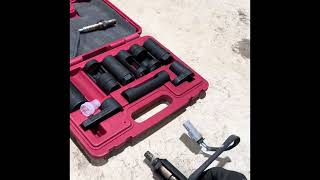
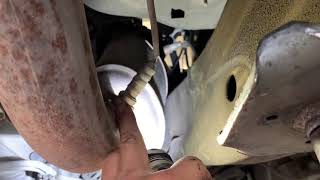
You will need a special tool called an oxygen sensor socket. This socket has a slit down the side to fit over the sensor's wire. You will also need a ratchet, and possibly a breaker bar if the old sensor is rusted in place. Applying penetrating oil and letting it soak can help. It's often easier to remove the old sensor when the exhaust is warm 🎬 Watch this guide on how to replace an oxygen sensor. (but not hot enough to burn you).
Helpful Videos
Technical Specifications
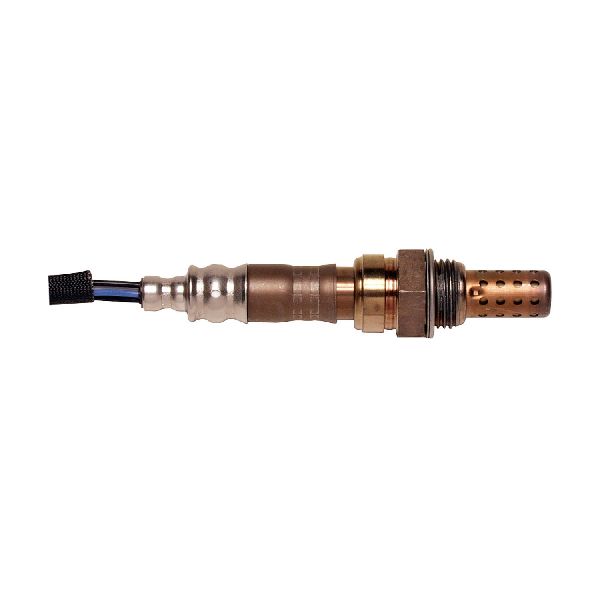
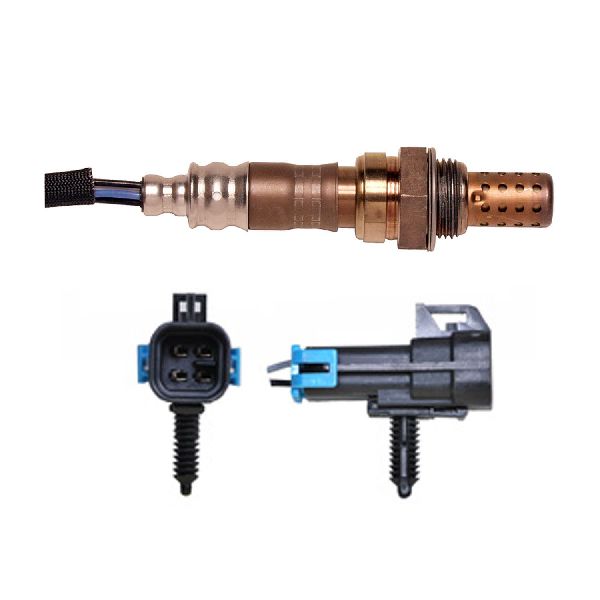
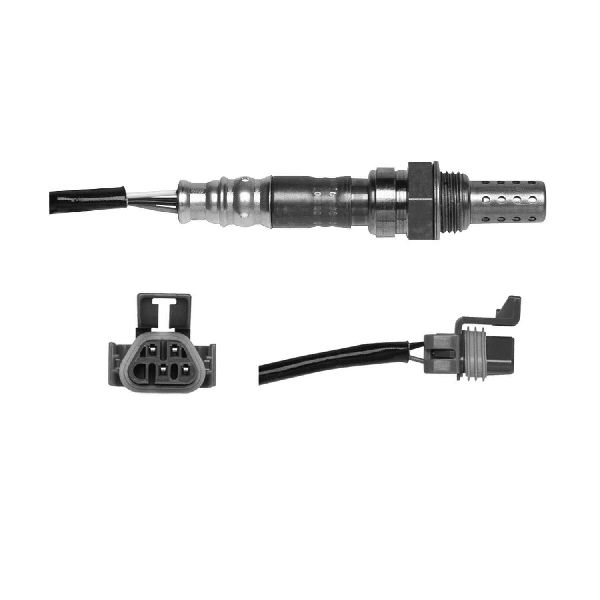
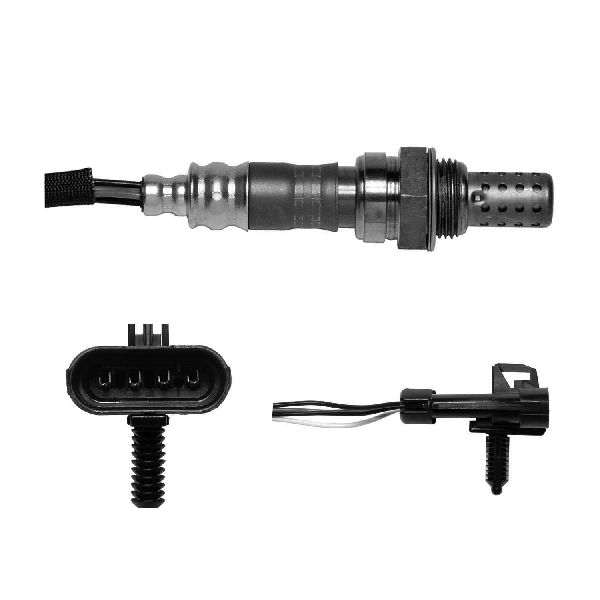
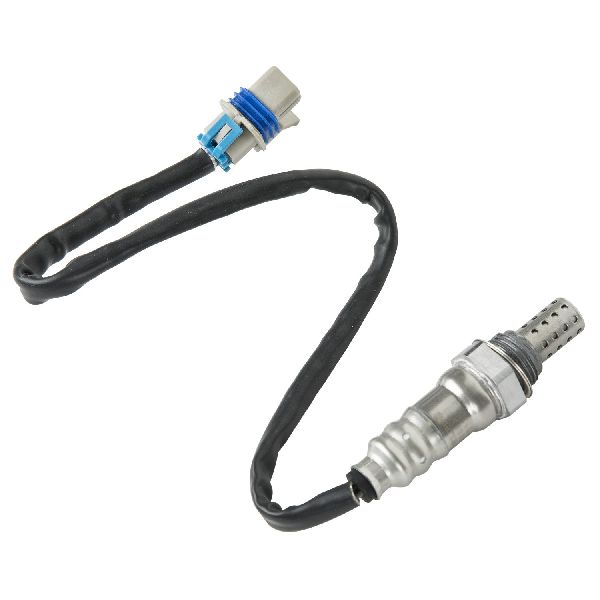
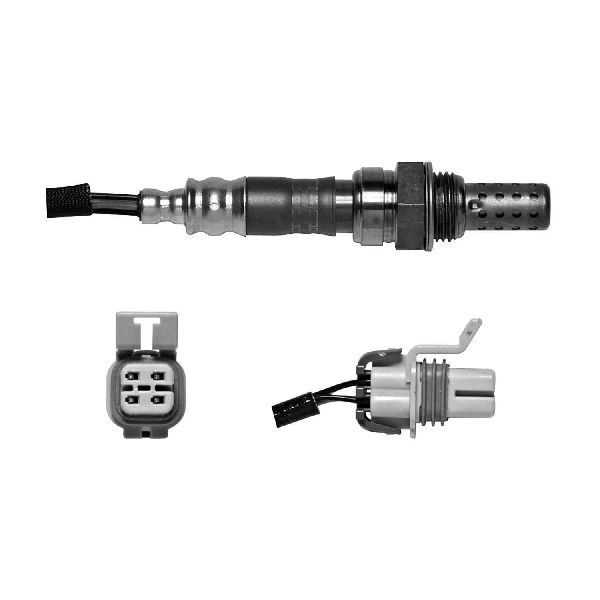
OEM Part Numbers: 12573005 12573167 12583806 213-3537 213-3867
Your van uses heated, 4-wire oxygen sensors. Upstream and downstream sensors are not interchangeable, and you must purchase a sensor specific to its location (Bank 1 Sensor 1, Bank 2 Sensor 2, etc.). Always verify the part fits your specific engine (4.8L, 5.3L, or 6.0L V8) before purchasing.
We Have This Part in Stock

The information in this article is provided for general reference and educational purposes only. Vehicle specifications, procedures, and part compatibility can vary by production date, trim level, and region. Always consult your vehicle's factory service manual and verify part numbers before purchasing or performing repairs. Safety-critical components such as airbags, seat belts, and braking systems should be installed by a qualified professional.
- Chevrolet Express 3500: