

A Guide to the Engine Oil Level Sensor for the 2001-2006 BMW 330Ci
Is a false yellow oil light on your dash causing confusion? Here's what 330Ci owners need to know about this critical sensor.
- A yellow oil light that appears briefly after startup is the most common symptom of a failing sensor.
- Replacement requires draining the engine oil, so it's best to do the job during an oil change.
- Most owners and mechanics recommend using an OEM or Hella-branded sensor for reliability, as cheap aftermarket versions are known to fail.
- You can continue to drive with a bad sensor, but you must check the oil with the dipstick regularly to prevent engine damage.
Understanding the Yellow Oil Light

The most common sign of a problem with the oil level sensor is the yellow oil light appearing on your dashboard. This light might come on for a few seconds after you start the engine and then go away. It could also stay on even after you've checked the dipstick and confirmed the oil level is correct. In some cases, the sensor fails completely and won't warn you at all, even if the oil level is dangerously low. These sensors can also fail by leaking oil from where they are sealed to the oil pan.
Don't Ignore the Warning
A yellow oil light means check the oil level. A red oil light means the oil pressure is dangerously low. If you see a red oil light, pull over and shut off the engine immediately to prevent catastrophic damage.
Choosing the Right Aftermarket Sensor

When it's time to replace your sensor, you'll find Original Equipment (OEM) and several aftermarket options. For this specific part on a BMW, quality matters significantly.
- OEM/OEM Supplier (Hella): The original sensor for BMW is often manufactured by Hella. Many experienced owners and mechanics strongly recommend using either the official BMW part or the Hella-branded equivalent. These parts are known for their reliability and accurate readings. The Hella part is often identical to the BMW part, just without the BMW logo ground off.
- Aftermarket Brands (URO Parts, Standard Ignition, etc.): Cheaper aftermarket sensors are available, but they have a mixed reputation in the BMW community. Some owners report these sensors failing quickly, providing inaccurate readings, or having connectors that don't fit properly. While the lower price is tempting, you may end up replacing the part again sooner than you'd like. For a critical component like this, investing in a higher-quality part is often the most cost-effective choice in the long run.
A Perfect Time for an Oil Change
The oil level sensor is located on the bottom of the oil pan and is submerged in oil. To replace it, you must drain the engine oil. Because of this, the best and most cost-effective time to replace a faulty sensor is during a regular oil change.
🎬 Watch: Step-by-step guide to changing your sensor and oil filter.Cost to Replace the Engine Oil Level Sensor

| Part/Service | Estimated Cost |
|---|---|
| New OEM (BMW Branded) | $210 - $360 |
| New Aftermarket (go-parts Inventory) | $67.97 - $217.58 |
| Shop Labor | $110 - $161 |
| Total Professional Replacement | $318 - $521 |
Frequently Asked Questions

My oil light is on, but my dipstick shows the oil is full. Is the sensor bad?
This is the most common symptom of a failed oil level sensor. If you have physically verified the oil level is correct with the dipstick and the yellow warning light still comes on, the sensor is the most likely culprit.
🎬 Watch: How to diagnose sensor fault codes and warning lights.Can I drive with a bad oil level sensor?
Yes, but you must be extra careful. A bad sensor means you can't trust the electronic warning system. You must manually check your oil level with the dipstick frequently—for instance, every time you fill up with gas—to ensure your engine is protected.
Is replacing the oil level sensor a DIY job?
Yes, for those comfortable with basic auto maintenance. The job requires safely lifting the car, draining the oil, removing a splash shield, and then unbolting the old sensor to install the new one. It is held by three 10mm nuts 🎬 See this walkthrough for replacing the sensor on an M3. and has one electrical connector. The most important part is that the engine oil must be drained first.
Are there any recalls for the 2001-2006 BMW 330Ci oil level sensor?
No, there are no specific recalls from the NHTSA for a faulty oil level sensor on this vehicle. However, some Technical Service Bulletins (TSBs) for other BMW models note that a faulty oil level sensor can cause other electrical issues, like blowing a fuse.
I replaced the sensor and the light is still on. What's wrong?
First, double-check the part. Some aftermarket sensors have incorrect pin configurations in the electrical connector, preventing them from working. Second, check the wiring and the connector for oil contamination or damage. Finally, some low-quality aftermarket sensors can be faulty right out of the box. This is why many owners recommend sticking with an OEM or Hella-branded part.
Helpful Videos
Technical Specifications
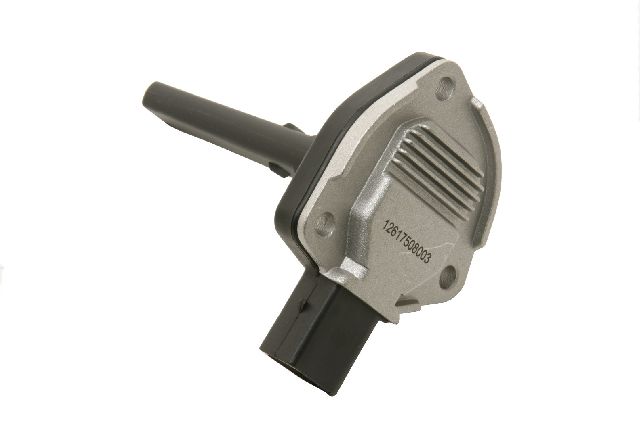
OEM Part Numbers: 12617508003
Mounts to the bottom of the engine oil pan with three 10mm nuts. Features a 3-pin electrical connector.
We Have This Part in Stock


The information in this article is provided for general reference and educational purposes only. Vehicle specifications, procedures, and part compatibility can vary by production date, trim level, and region. Always consult your vehicle's factory service manual and verify part numbers before purchasing or performing repairs. Safety-critical components such as airbags, seat belts, and braking systems should be installed by a qualified professional.
- BMW 330Ci: