

A Guide to the Engine Coolant Reservoir for the 2001-2006 BMW 325xi
The coolant reservoir is a known weak point on the E46 325xi; here's what you need to know before it fails.
- The plastic coolant reservoir is a common failure point on the 2001-2006 BMW 325xi and should be replaced proactively.
- Choose high-quality aftermarket brands like Mahle, Behr, Nissens, or Rein for reliability; avoid budget brands for this critical part.
- Always replace the reservoir cap and coolant level sensor at the same time as the tank.
- Properly bleeding the cooling system after installation is essential to prevent overheating.
Why the E46 325xi Coolant Reservoir Fails
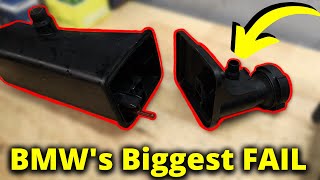
If you own a 2001-2006 BMW 325xi, the question is not if your coolant expansion tank will fail, but when. This part is a notorious weak point on the E46 🎬 Watch this video to understand why these tanks fail so often. platform. The original tanks are made of plastic that is constantly exposed to high temperatures and pressure changes from the engine. Over time, this plastic becomes brittle, leading to hairline cracks or complete failure, often at the seams or hose connections. A failure can cause a sudden loss of coolant, potentially leaving you stranded and risking severe engine damage from overheating. For this reason, many mechanics recommend replacing the tank proactively every 60,000 to 100,000 miles, or if you don't know its age.
Symptoms of a Failing Coolant Reservoir
Watch for these warning signs. Catching a failing tank early can save you from a roadside emergency.
- Low Coolant Warning Light: This is often the first sign. It might be a faulty sensor, but it usually indicates a real leak.
- Sweet Smell: You may notice a sweet smell from the engine bay after a drive. This is the scent of leaking coolant burning off on hot components.
- Visible Leaks or Puddles: You might see a puddle of blue or green fluid under the front passenger side of the car where the tank is located.
- White or Crusty Residue: Look for white or colored stains on and around the expansion tank. This is dried coolant residue from a slow leak.
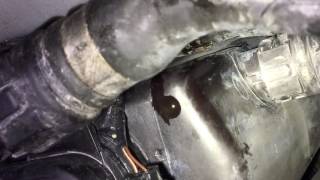
- Visible Cracks: Inspect the tank carefully for hairline cracks, especially along the seams. 🎬 See how to properly inspect your expansion tank for leaks. These cracks can expand under pressure and cause a major leak without warning.
- Steam from Engine Bay: If you see steam coming from under the hood, pull over immediately. This means coolant is leaking onto a hot engine.
A Note on Aluminum Tanks
Some owners upgrade to an aluminum expansion tank for added durability. While these are much stronger, they have a downside. The stock plastic tank is designed to be the "weak link" in the cooling system. If pressure gets too high, the tank fails first, which is a relatively cheap and easy fix. With an aluminum tank, that excessive pressure will find the next weakest point, which could be a radiator, heater core, or hose—often a more expensive and difficult repair. Also, many aluminum tanks do not have a port for the original coolant level sensor.
Choosing the Right Aftermarket Reservoir
Not all aftermarket parts are created equal, and for a critical system like your BMW's cooling, quality matters. Here’s a breakdown of common brands based on owner experiences and mechanic recommendations.
- OEM-Quality Brands (Recommended): These brands are often original equipment manufacturers for BMW or have a strong reputation for quality. They are the safest bet for reliability.
- Mahle (Behr): Mahle and Behr are often the original OEM suppliers for BMW cooling components. Choosing a tank from these brands is as close to genuine as you can get without the dealer price tag.
- Nissens: Widely regarded as a high-quality aftermarket option with good fit and reliability. Many owners report positive long-term experiences.
- CRP (Rein): Rein is another reputable brand for European car parts, and their expansion tanks are considered a reliable choice.
- Standard Aftermarket Brands (Use with Caution): These brands can be a mixed bag. They offer a lower price, but quality can be inconsistent.
-
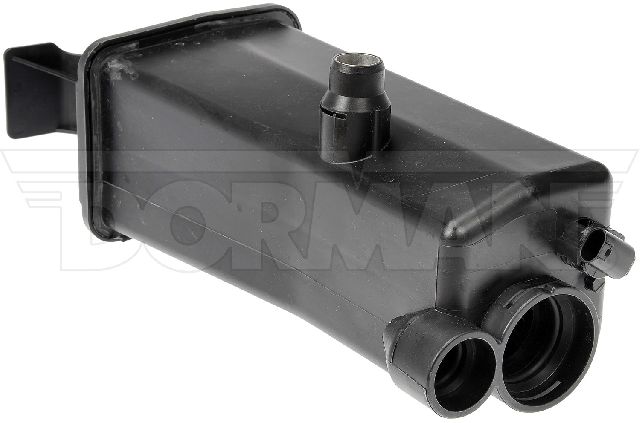
- Dorman: A common aftermarket brand, but reviews for their E46 expansion tanks are often poor, with reports of premature leaks and sensor issues.
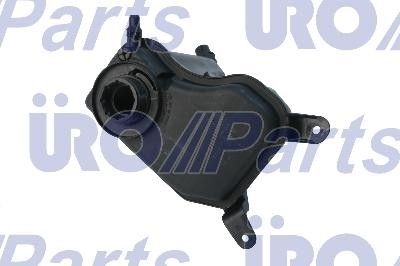
- URO Parts: Generally a budget brand, but they offer a "URO Premium" line with improved quality. If considering URO, ensure it's from their premium line.
- Vaico, Global Parts, Standard Ignition: These fall into the general budget category. Reliability can be uncertain, and they may be best avoided for such a critical part unless you are on a strict budget and understand the risk.
Pro Tip: Replace the Cap and Sensor
When you replace the expansion tank, it is highly recommended to also replace the expansion tank cap and the coolant level sensor. A faulty cap can fail to regulate pressure correctly, leading to the failure of a brand-new tank. Many aftermarket tanks come with a new sensor, but if not, purchase one. A new sensor ensures your low-coolant warning system works correctly.
Frequently Asked Questions (FAQ)
Is it hard to replace the coolant reservoir myself?
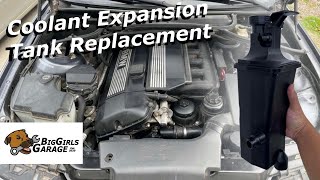
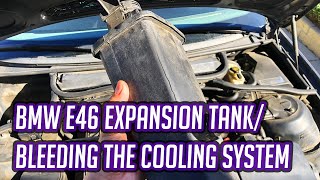
No, this is a very DIY-friendly job for someone with basic mechanical skills. It typically takes about an hour. The tank is easily accessible in the engine bay. The process involves draining some coolant, unclipping a few hoses, disconnecting the sensor, and unbolting the tank. The most critical part of the job is properly bleeding the air out of the cooling system after installation. Failure to bleed the system can cause air pockets that lead to overheating.
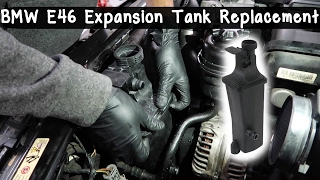
🎬 Follow this guide to replace your tank and bleed the system.Are there any recalls for the 2001-2006 325xi coolant reservoir?
No, there are no specific recalls from the NHTSA for the coolant expansion tank on the 2001-2006 BMW 325xi. While there are recalls for other cooling system components on different BMW models, the E46 expansion tank failure is considered a maintenance issue due to age and wear, not a manufacturing defect for recall purposes.
What coolant should I use for my BMW 325xi?
You must use a phosphate-free, European-formulation coolant, typically blue in color. Using the wrong type of coolant (like the common green or orange types) can damage the plastic and seals in your BMW's cooling system. Always mix the concentrated coolant with distilled water at a 50/50 ratio. Do not use tap water, as it contains minerals that can cause deposits and corrosion.
My low coolant light is on, but the tank is full. What's wrong?
This is a classic symptom of a failed coolant level sensor. The sensor is located at the bottom of the expansion tank. It's a float-style switch that can get stuck or fail electronically over time. It's best practice to replace the sensor whenever you replace the tank.
Helpful Videos
Technical Specifications
OEM Part Numbers: 17117573781 17137787039
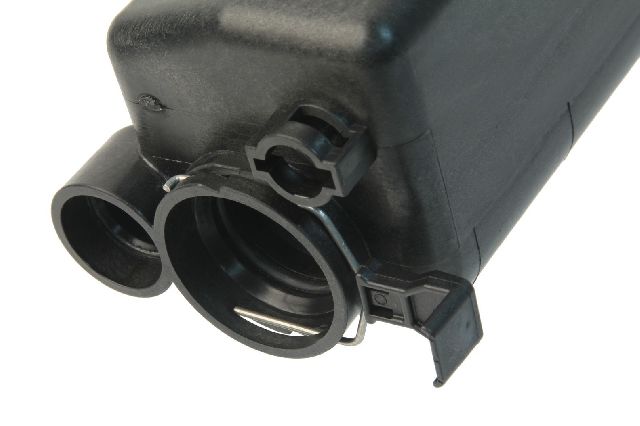
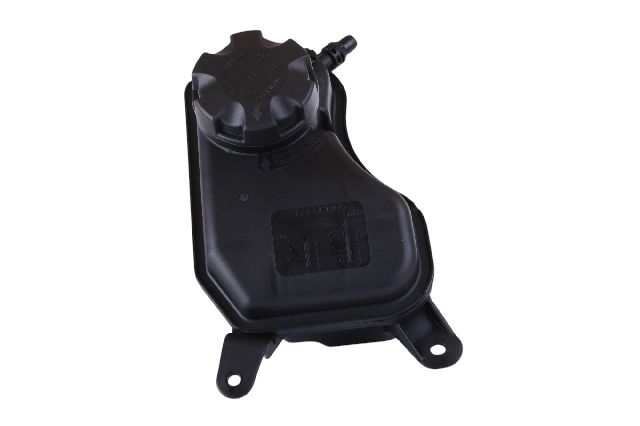
Pressurized plastic tank with integrated float for level sensor. Mounts to the radiator support on the passenger side of the engine bay.
We Have This Part in Stock


The information in this article is provided for general reference and educational purposes only. Vehicle specifications, procedures, and part compatibility can vary by production date, trim level, and region. Always consult your vehicle's factory service manual and verify part numbers before purchasing or performing repairs. Safety-critical components such as airbags, seat belts, and braking systems should be installed by a qualified professional.
- BMW 325xi: