

Oxygen Sensor Guide for 2001-2005 Toyota Sequoia
Fix your check engine light and poor gas mileage by choosing the right replacement oxygen sensor for your V8 Sequoia.
- Your 2001-2005 Sequoia has four oxygen sensors: two upstream Air/Fuel sensors and two downstream O2 sensors.
- Denso is the original equipment manufacturer (OEM) and is the most recommended brand for reliability, especially for the critical upstream sensors.
- A check engine light with codes like P0135 or P0155 often points to a failed sensor heater circuit, a known issue on 2001-2002 models.
- Using a direct-fit sensor is strongly advised over a universal sensor to avoid wiring problems.
Is a Failing Oxygen Sensor a Big Deal?
Yes, a bad oxygen sensor can cause real problems. When a sensor fails, the engine's computer gets incorrect information, which can lead to poor engine performance, higher fuel consumption, and increased emissions. Ignoring a failing O2 sensor for too long can even lead to expensive damage to your catalytic converters, a much costlier repair.
Symptoms of a Bad Oxygen Sensor in a Sequoia


The signs of a failing oxygen sensor are usually hard to miss. Keep an eye out for these common symptoms:
- Check Engine Light: This is the most common sign. Codes like P0135, P0155, P0420, or P0430 🎬 Watch this video to understand common Toyota O2 sensor codes. often point to an O2 sensor issue.
- Worse Gas Mileage: If you're filling up more often, a bad sensor might be causing the engine to use more fuel than needed.
- Rough Idle or Misfires: An incorrect air-fuel mixture can make your engine run poorly, especially at a stop.
- Failed Emissions Test: A bad O2 sensor is a common reason for failing a smog check.
A Note on TSB EG019-02
For 2001-2002 Sequoias, Toyota issued a Technical Service Bulletin (TSB) for the check engine light with codes P0135 and/or P0155. This TSB notes that the original oxygen sensors could fail and were later improved. If you have an early model with these codes, replacing the sensor with the updated part is the recommended fix.
Choosing the Right Aftermarket Oxygen Sensor

When it comes to aftermarket parts, quality can vary. For a sensitive component like an oxygen sensor on a Toyota, choosing the right brand is important, especially for the upstream Air/Fuel (A/F) sensors.
Tier 1: OEM Equivalent
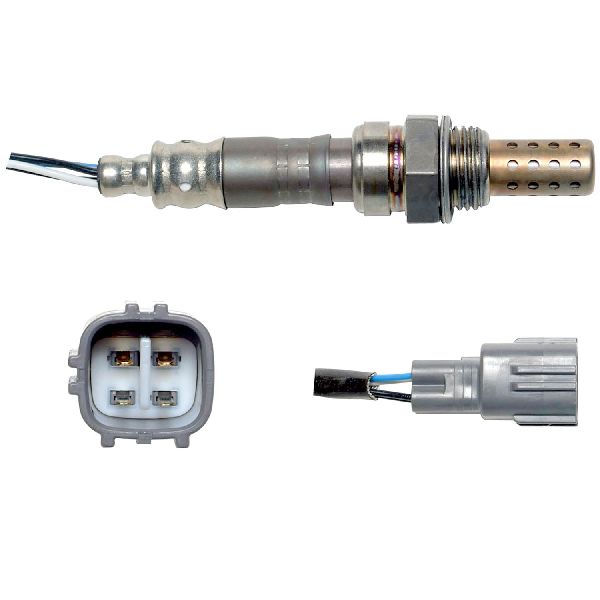
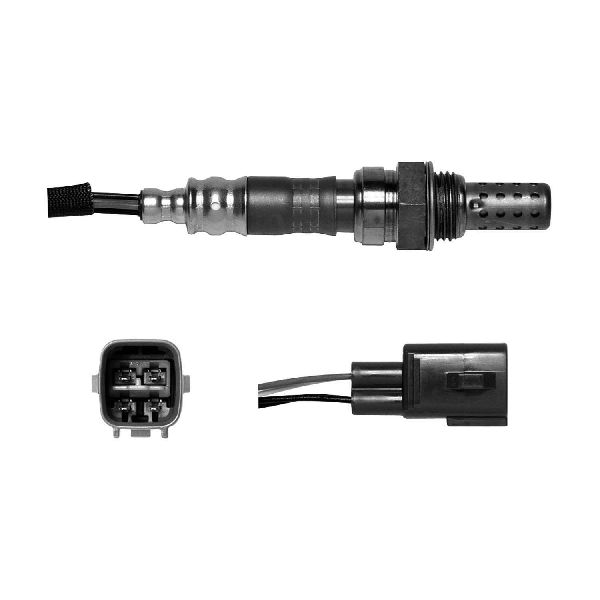
Denso: Denso is the Original Equipment Manufacturer (OEM) for Toyota, meaning they made the original sensors that came with your Sequoia from the factory. Choosing a Denso sensor is the safest bet for a perfect fit and reliable performance, especially for the critical upstream A/F sensors. Many Toyota owners and mechanics strongly recommend sticking with Denso to avoid compatibility issues.
Tier 2: High-Quality Aftermarket
Bosch & NGK (NTK): Both Bosch and NGK (under their NTK brand) are highly respected manufacturers of oxygen sensors. Bosch invented the modern O2 sensor and has a long history of quality. While many have success with these brands on Toyotas, some owners in forums report occasional compatibility problems, particularly with the upstream sensors. They are generally a solid choice, especially for the less-sensitive downstream positions.
Tier 3: Budget-Friendly Options
Delphi, DriveWire, Spectra, Walker Products: These brands offer more affordable options. They can be a good choice if you're on a tight budget, particularly for the downstream sensors which are more tolerant of minor variations. However, be aware that the risk of a shorter lifespan or compatibility issues is higher compared to OEM-equivalent brands.
Direct-Fit vs. Universal Sensors
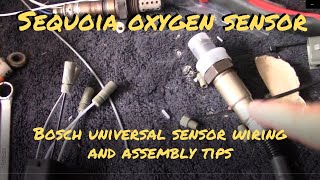
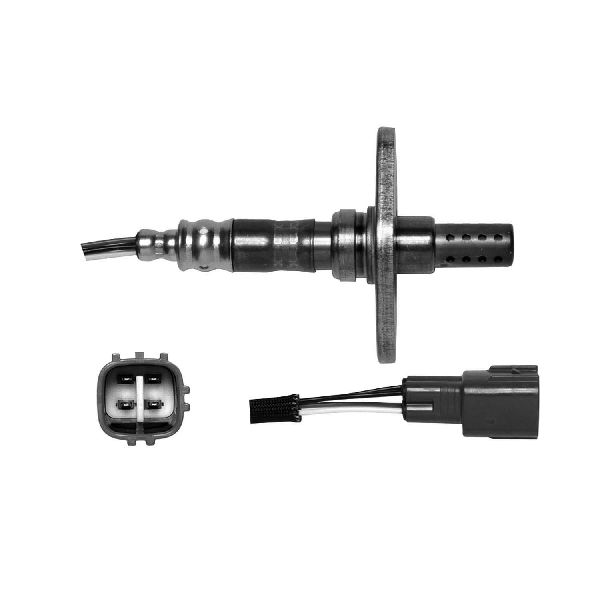
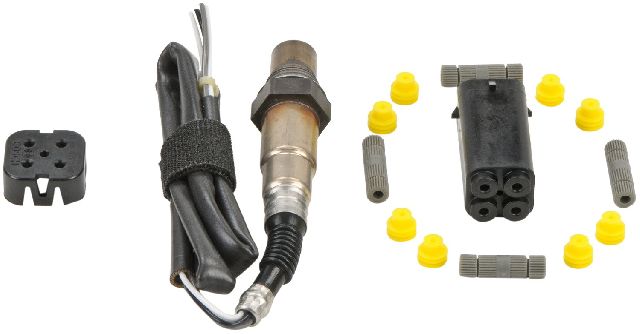
You will see both "direct-fit" and "universal" sensors available. A direct-fit sensor comes with the correct plug for your vehicle and is ready to install. A universal sensor requires you to cut the plug off your old sensor and splice it onto the new one. While universal sensors are cheaper, the risk of a bad connection causing problems is high. It is strongly recommended to use a direct-fit sensor to ensure a reliable connection.
🎬 See a step-by-step guide on replacing your Sequoia's oxygen sensors.Cost of Replacing a Toyota Sequoia Oxygen Sensor
| Part Type | Estimated Cost |
|---|---|
| New OEM | $110 - $250+ per sensor |
| New Aftermarket | $24.52 - $274.26 per sensor |
| Shop Labor | $100 - $250 |
Cost estimates are for a single sensor and can vary by location and sensor position.
Frequently Asked Questions

How many oxygen sensors does a 2001-2005 Sequoia have?
The 4.7L V8 engine in the 2001-2005 Toyota Sequoia has four oxygen sensors. There are two upstream (Bank 1 Sensor 1 and Bank 2 Sensor 1) and two downstream (Bank 1 Sensor 2 and Bank 2 Sensor 2).
What's the difference between upstream and downstream sensors?
Upstream sensors (also called Air/Fuel Ratio sensors) are located in the exhaust manifold before the catalytic converter. They are used by the engine computer to make real-time adjustments to the fuel mixture. Downstream sensors are located after the catalytic converter and are used to monitor the converter's health and efficiency.
Can I replace just one bad oxygen sensor?
Yes, you can replace only the sensor that has failed. However, oxygen sensors age over time. If one has failed and your vehicle has high mileage (over 100,000 miles), the others may not be far behind. Some owners choose to replace them in pairs (both upstream or both downstream) or all four at once for peace of mind and restored performance.
Do I need a special tool for replacement?
Yes, a special tool called an oxygen sensor socket is highly recommended. It has a slot on the side to accommodate the sensor's wire. Also, the sensors can be very tight or rusted in place, so a breaker bar and penetrating oil may be necessary. 🎬 Learn how to use specialized tools for a successful replacement. Some downstream sensors are held on by two nuts instead of being threaded in.
Helpful Videos
Technical Specifications
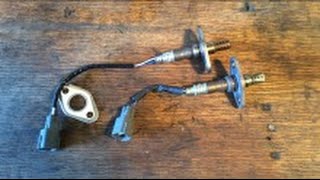
OEM Part Numbers: 89465-34150 89465-34140 89465-0C150 89465-34130 89465-34120
The 4.7L 2UZ-FE V8 engine uses four heated oxygen sensors. Two are upstream Air/Fuel ratio sensors located in the exhaust manifolds, and two are downstream oxygen sensors located after the catalytic converters. Bank 1 is the driver's side and Bank 2 is the passenger's side.
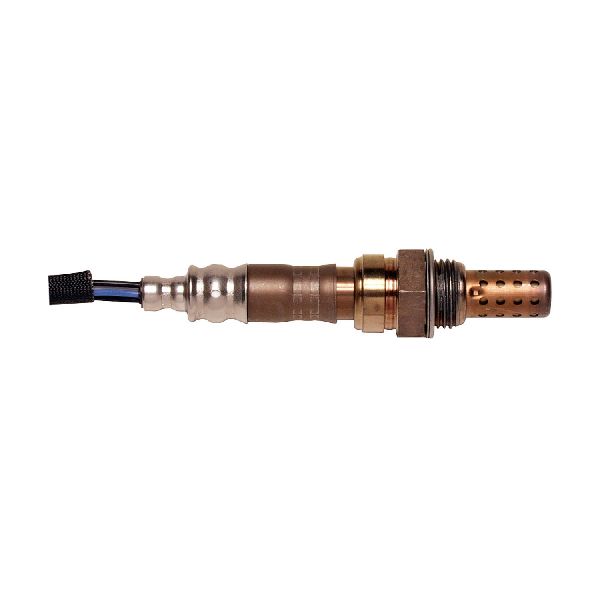
We Have This Part in Stock

The information in this article is provided for general reference and educational purposes only. Vehicle specifications, procedures, and part compatibility can vary by production date, trim level, and region. Always consult your vehicle's factory service manual and verify part numbers before purchasing or performing repairs. Safety-critical components such as airbags, seat belts, and braking systems should be installed by a qualified professional.
- Toyota Sequoia: