

A Guide to Replacing the Catalytic Converter on a 2001-2005 Kia Rio
Everything you need to know before buying a new aftermarket catalytic converter for your first-generation Kia Rio.
- A P0420 code is the most common sign of a failed converter on your Rio.
- Always fix the root cause (like oil burning or misfires) before replacing the converter, or the new one will fail too.
- The converter for the 2001-2005 Rio is a single unit with the exhaust manifold, requiring a 'direct-fit' part.
- A quality aftermarket brand like Walker or MagnaFlow is a cost-effective and reliable choice for this vehicle.
Is Your Kia Rio's Catalytic Converter Failing?

If you own a 2001-2005 Kia Rio, a failing catalytic converter is a common issue, especially on an older vehicle. The most frequent sign of a problem is the check engine light turning on with a P0420 code, which means "Catalyst System Efficiency Below Threshold". This code tells you the converter is no longer cleaning the exhaust effectively. Other symptoms you might notice include:
- Sluggish Performance: Your car may feel slow or have trouble accelerating because the exhaust is blocked.
- Rotten Egg Smell: A strong sulfur smell from the exhaust is a classic sign of a failing converter.
- Rattling Noise: The ceramic honeycomb inside the converter can break apart, causing a rattling sound from under the car.
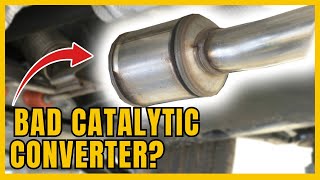
- Poor Fuel Economy: A clogged converter can make your engine work harder, using more gas. 🎬 Watch: Top 10 symptoms of a bad catalytic converter
Fix the Root Cause First!
A catalytic converter usually doesn't fail on its own. It's almost always destroyed by another problem with the engine. Common causes include engine misfires (blinking check engine light), burning oil, or a coolant leak. If you install a new converter without fixing the original issue, the new part will quickly fail, too.
OEM vs. Aftermarket Converters for Your Rio

When it's time for a replacement, you have two choices: Original Equipment Manufacturer (OEM) or aftermarket. For an older vehicle like the 2001-2005 Rio, an aftermarket part is often the most practical choice.
- OEM: Made by Kia, an OEM converter is a perfect fit but is extremely expensive, often costing over $1,000.
- Aftermarket: Made by third-party companies, these are much more affordable. Quality can vary by brand, but a good aftermarket converter is a reliable solution for keeping your Rio on the road. For the 2001-2005 Rio, you will need a "direct-fit" converter that includes the exhaust manifold.
Choosing the Right Aftermarket Brand

Not all aftermarket brands are the same. Here’s a breakdown of common options:
- MagnaFlow: Often considered a higher-tier brand, MagnaFlow converters are known for durable stainless steel construction and good performance. They are a solid choice if you want a long-lasting, high-quality replacement, but they are usually the most expensive aftermarket option.
- Walker Exhaust: Walker is a trusted name that produces reliable, OEM-style replacement parts. They are known for good fitment, which makes installation easier. This is a dependable, middle-of-the-road choice for most owners.
- AP Exhaust: This brand is typically a budget-friendly option. While the low price is appealing, some user reviews mention potential issues with fitment and long-term durability. It can be a viable option if budget is the primary concern, but may not last as long as premium brands.
How Much Does a Catalytic Converter Replacement Cost?

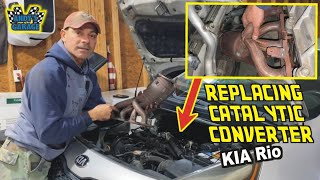
The total cost includes the part and labor. For the 2001-2005 Kia Rio, the converter is part of the manifold, which is a straightforward bolt-on job.
🎬 Watch this step-by-step Kia Rio catalytic converter replacement walkthrough| Item | Estimated Cost |
|---|---|
| New Aftermarket Converter | $155 - $441 |
| Shop Labor | $150 - $325 |
| Total Estimated Cost | $305 - $766 |
Cost estimates are for reference only. Prices for parts and labor vary by location and shop.
Frequently Asked Questions (FAQ)

Was there a recall for the catalytic converter on the 2001-2005 Kia Rio?
No. There have been no recalls or specific technical service bulletins (TSBs) issued by Kia or the NHTSA for the catalytic converter on the 2001-2005 Kia Rio. Recalls for this vehicle were for unrelated issues like steel wheels and child seat anchors.
What is the P0420 code?
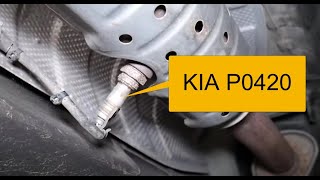
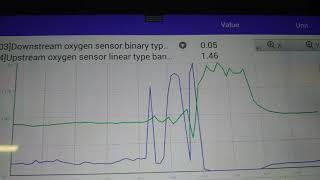
P0420 is a diagnostic trouble code that means "Catalyst System Efficiency Below Threshold (Bank 1)". Your car's computer uses two oxygen sensors to measure the gases going into and out of the catalytic converter. If the converter isn't cleaning the exhaust properly, the downstream sensor's reading will look too similar to the upstream sensor's, triggering the code.
🎬 See how to perform a universal P0420 diagnostic testCan I just clean my catalytic converter?
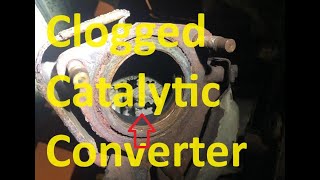
Generally, no. While some fuel additives claim to clean converters, they cannot repair a converter that has melted internally or is physically broken, which is the most common type of failure. If the converter is clogged with carbon, a cleaning might provide a temporary fix, but if it's triggering a P0420 code, it almost always needs to be replaced.
Do I need a CARB-compliant converter?
It depends on where you live. If your vehicle is registered in California, New York, Colorado, Maine, or another state that has adopted California's strict emissions standards, you must install a CARB-compliant catalytic converter. These converters are more expensive because they contain more precious metals to meet the stricter standards. Always check your local regulations before purchasing.
Helpful Videos
Technical Specifications
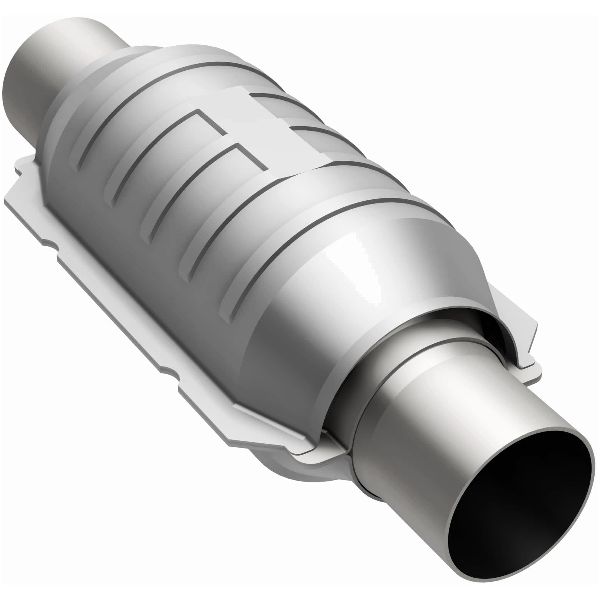
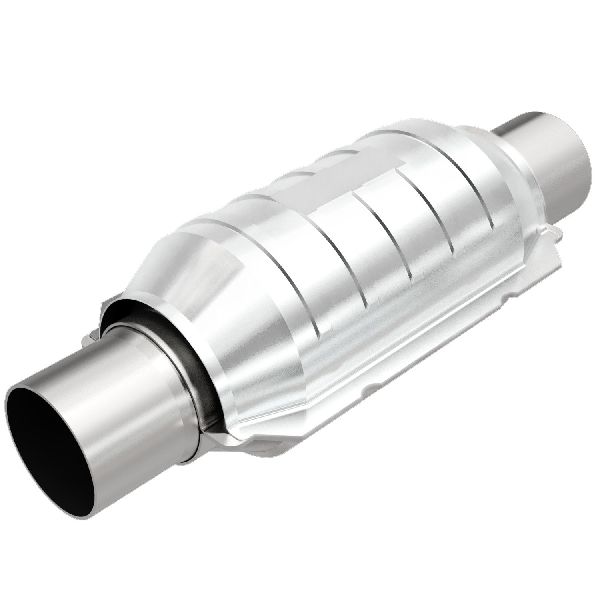
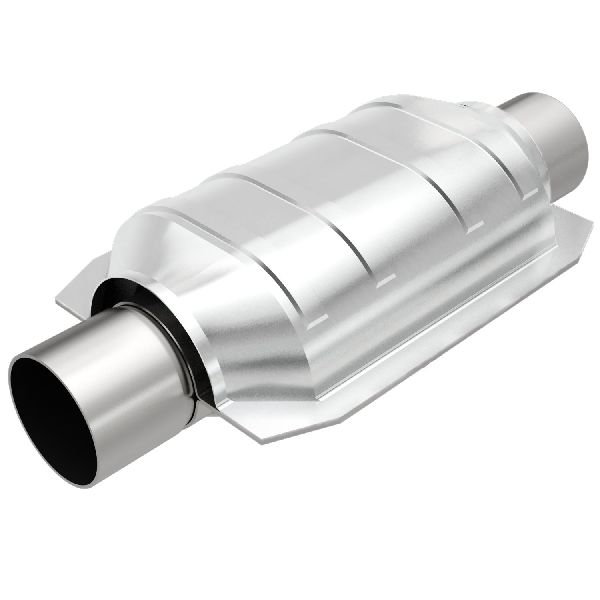
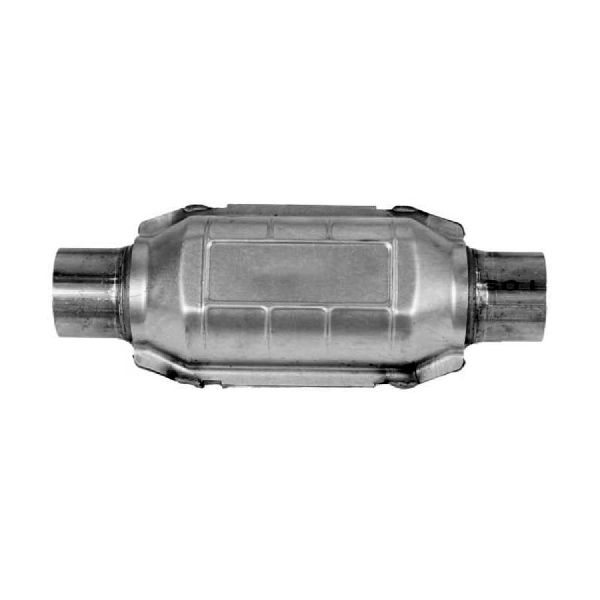
The catalytic converter for the 2001-2005 Kia Rio is a one-piece assembly that includes the exhaust manifold. It is a direct-fit, bolt-on part. Two oxygen sensor ports are included (one upstream, one downstream).
We Have This Part in Stock

The information in this article is provided for general reference and educational purposes only. Vehicle specifications, procedures, and part compatibility can vary by production date, trim level, and region. Always consult your vehicle's factory service manual and verify part numbers before purchasing or performing repairs. Safety-critical components such as airbags, seat belts, and braking systems should be installed by a qualified professional.
- Kia Rio: