

Ford Ranger Vehicle Speed Sensor Guide (2001-2005): Solving Speedometer and Shifting Problems
If your 2001-2005 Ranger's speedometer is acting up or the transmission is shifting hard, the vehicle speed sensor is the likely cause.
- The correct sensor for speedometer/shifting issues on a 2001-2005 Ranger is the Output Shaft Speed (OSS) sensor on the transmission, not the ABS sensor on the rear axle.
- Symptoms include a faulty speedometer, hard shifting, and a P0500 check engine light code.
- Replacement is easy, requiring only one bolt, and is a good DIY project for most owners.
- Choose a quality aftermarket brand like Delphi, NGK, or Standard Ignition for a reliable repair without the high OEM cost.
Is Your Ford Ranger Speed Sensor Failing?


The vehicle speed sensor (VSS or OSS) on the 2001-2005 Ford Ranger is a common failure point that can cause some very noticeable problems. When this sensor starts to go bad, it sends weak, incorrect, or no signal to the truck's computer. This can make your truck feel like it has a major transmission problem, but the fix is often simple and inexpensive.
Symptoms of a Bad Speed Sensor
Here are the most common signs that your Ranger's speed sensor needs to be replaced:
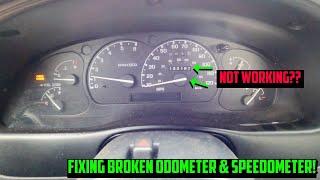
- Erratic or Dead Speedometer: The speedometer needle may jump around wildly, read incorrectly, or not move at all. The odometer may also stop working.
- Harsh or Incorrect Automatic Shifting: Your transmission may shift very hard, delay shifts, or get stuck in one gear (often first gear). This is because the computer doesn't know how fast the truck is moving and can't decide when to shift.
- Check Engine Light: A failing speed sensor will often trigger the check engine light. The most common trouble code is P0500 for a Vehicle Speed Sensor Malfunction. You may also see a P0720 code for an Output Speed Sensor Circuit fault. 🎬 See how to diagnose and fix a P0720 circuit fault code.
- ABS Light On: Even though the main speed signal comes from the transmission, a fault in the speed reading system can sometimes cause the ABS warning light to come on.
- Cruise Control Doesn't Work: The cruise control system relies on the VSS to maintain a set speed. If the sensor is bad, cruise control will not engage.
A VERY Common Mistake: Transmission vs. Rear Axle Sensor
Your 2001-2005 Ranger has TWO sensors that read speed. The one that controls your speedometer and transmission shifting is the Output Shaft Speed (OSS) sensor located on the transmission. There is also a speed sensor on the rear differential, but on these model years, it is only for the Anti-lock Brake System (ABS). Many owners mistakenly replace the rear axle sensor to fix a speedometer issue, but this will not solve the problem on a 2001-2005 Ranger. You must replace the sensor on the transmission.
Choosing the Right Aftermarket Speed Sensor
You don't need to buy the most expensive part, but you should avoid the cheapest, no-name options for electronic sensors. Here’s a breakdown of the brands available for your Ranger, tiered by quality and reputation based on general market perception.
Tier 1: OEM or OEM-Quality
These brands are either the original equipment manufacturer or are known for producing parts that meet or exceed OE standards. They are your best bet for reliability and a perfect fit.
- Motorcraft: This is Ford's own brand. You can't go wrong with the original part (Part numbers include DY-1216 and DY-1206).
- Delphi: Delphi is a major OE supplier for many car manufacturers. Their sensors are engineered to OE specifications and are known for reliability.
- NGK (NTK): NTK is the sensor division of NGK. They are a top-tier OE sensor manufacturer with a reputation for high-quality, durable parts.
Tier 2: Reputable Aftermarket
These brands are well-known in the aftermarket and offer a good balance of quality and price. They are a solid choice for most repairs.
- Standard Ignition (SMP): A long-standing brand that offers quality replacement parts. They often provide parts that are equivalent to the original and are a trusted name in repair shops.
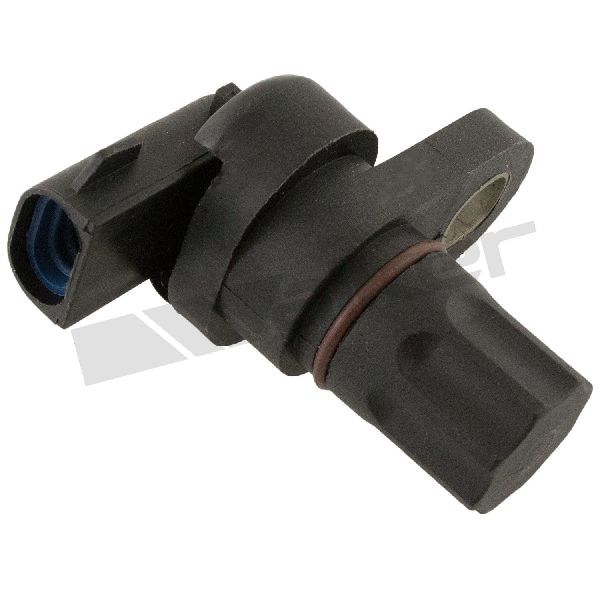
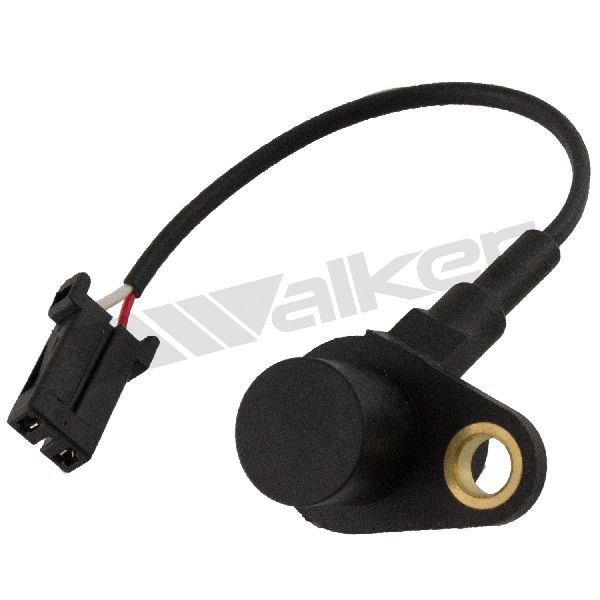
- Walker Products: Walker specializes in engine management components and manufactures their parts to meet OEM specs. They are a reliable choice for sensors and other electronic parts.
Tier 3: Budget-Friendly
These brands focus on providing a lower-cost alternative. They can be a good option if budget is your primary concern.
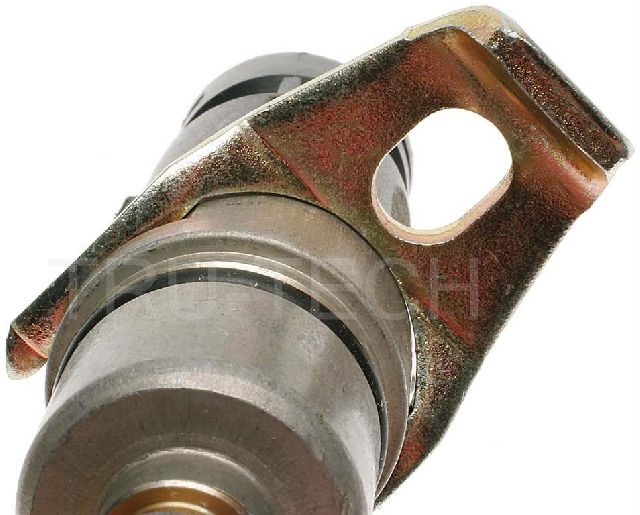
- True Tech: This brand typically falls into the value category, offering a functional replacement at a lower price point.
Pro Tip: Inspect the Connector
Before you replace the sensor, take a close look at the wiring and the plastic connector that plugs into it. Sometimes, the wires can get damaged or the connector can become brittle and crack, causing a bad connection. This can create the same symptoms as a failed sensor. A new sensor won't fix a wiring problem.
Cost of Replacing a Ford Ranger Vehicle Speed Sensor
The cost to replace the VSS is reasonable, especially if you do it yourself. The part is easy to access and requires only basic tools.
🎬 Check out this quick video walkthrough for an easy OSS fix.| Part/Service | Estimated Cost |
|---|---|
| New Aftermarket Part | $21 - $60 |
| New OEM (Motorcraft) Part | $58 - $95 |
| Shop Labor | $62 - $95 |
| Total Professional Replacement | $100 - $155 |
Frequently Asked Questions

Where is the speed sensor located on a 2001-2005 Ford Ranger?
The correct sensor for the speedometer and transmission is the Output Shaft Speed (OSS) sensor. You can find it on the driver's side of the transmission, near the rear where the driveshaft connects. It is held in by a single 10mm or Torx bolt.
Can I replace the vehicle speed sensor myself?
Yes, this is a very DIY-friendly job. It typically takes less than 30 minutes with basic hand tools. You'll need to safely raise the truck, locate the sensor on the transmission, disconnect the electrical plug, remove one bolt, and swap the old sensor for the new one.
🎬 Watch this step-by-step guide to replacing your transmission speed sensor.What is the difference between the sensor on the transmission and the one on the rear axle?
On 2001-2005 Rangers, the sensor on the transmission provides the speed signal for the speedometer, cruise control, and transmission shifting. The sensor on the rear axle is only for the ABS system. On older Rangers (pre-2001), the rear axle sensor did both jobs, which causes a lot of confusion.
Do I need to reset the computer after replacing the sensor?
It's a good idea. After replacing the sensor, the check engine light should go off on its own after a few drives. However, to clear the code immediately and ensure the computer relearns with the new sensor, you can disconnect the negative battery terminal for about 15 minutes.
What happens if the old sensor breaks during removal?
This is a common problem. The plastic can become brittle and break, leaving the bottom half of the sensor stuck in the transmission. If this happens, you will need to carefully use a pick, screwdriver, and needle-nose pliers to break up and remove the remaining plastic pieces. Be very careful not to drop any pieces inside the transmission.
Helpful Videos
Technical Specifications
OEM Part Numbers: DY-1216 DY-1206 1L5Z-7H103-AA
2-pin magnetic sensor located on the transmission housing.
We Have This Part in Stock


The information in this article is provided for general reference and educational purposes only. Vehicle specifications, procedures, and part compatibility can vary by production date, trim level, and region. Always consult your vehicle's factory service manual and verify part numbers before purchasing or performing repairs. Safety-critical components such as airbags, seat belts, and braking systems should be installed by a qualified professional.
- Ford Ranger: