

A Guide to the Engine Crankshaft Position Sensor for the 2001-2002 Qvale Mangusta
Understand this critical sensor to keep your rare Mangusta's Ford V8 engine running strong.
- The Mangusta uses a Ford 4.6L V8, so the crankshaft sensor is a common Ford part.
- A failing sensor will cause a no-start or dangerous stalling condition; do not ignore the symptoms.
- The most common trouble code is P0335.
- Choose a quality aftermarket brand like NGK or Standard Ignition for this critical part.
Understanding the Heartbeat of Your Mangusta's Engine
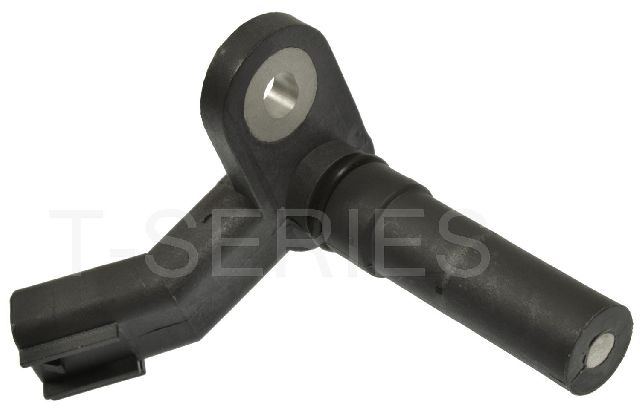
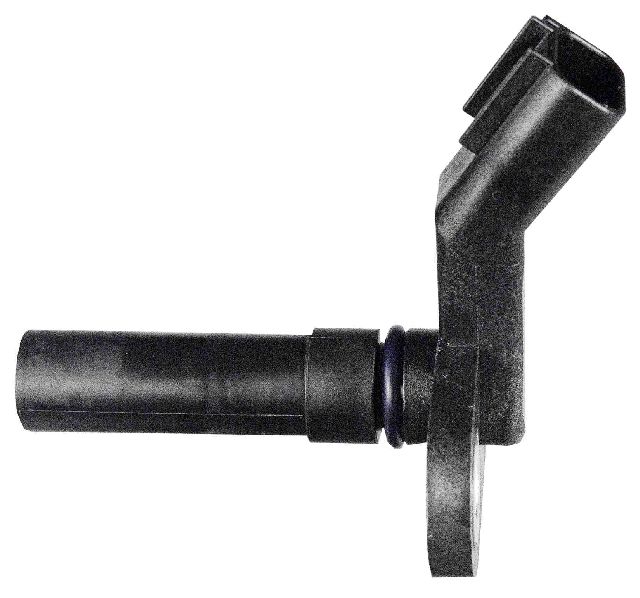
The Qvale Mangusta is a unique vehicle, blending Italian design with a reliable American powertrain. That powertrain is the Ford 4.6L DOHC V8, an engine shared with high-performance Ford Mustangs of the era. This is good news for owners, as many engine components, including the crankshaft position sensor (CKP), are based on readily available Ford parts. The CKP sensor acts like a heartbeat monitor for the engine, telling the computer exactly how fast and in what position the crankshaft is spinning. This signal is essential for the computer to manage the spark plugs and fuel injectors correctly, ensuring your engine runs smoothly and efficiently.
Symptoms of a Failing Crankshaft Position Sensor
A failing crankshaft sensor can cause problems that might seem random at first but will get worse over time. Because the sensor is electronic and exposed to engine heat, it can fail without warning. Look out for these common signs:
- Engine Won't Start: This is the most common and severe symptom. The engine will crank over but won't fire up because the computer doesn't know when to create a spark.
- Intermittent Stalling: The engine may stall unexpectedly while driving and might be difficult to restart until it cools down. This is a serious safety issue.
- Rough Idle and Misfires: The engine may run poorly, shake, or vibrate at idle because the timing is off.
- Poor Acceleration: You might notice a lack of power or hesitation when you press the gas pedal.
- Check Engine Light: A failing sensor will almost always trigger the check engine light. The most common trouble code is P0335 (Crankshaft Position Sensor "A" Circuit Malfunction).
Driving with a Bad Sensor
Driving with a faulty crankshaft position sensor is not recommended. The risk of the engine stalling in traffic is high, creating a dangerous situation for you and other drivers. If you suspect your sensor is failing, it's best to get it replaced as soon as possible.
Choosing the Right Aftermarket Sensor
Since Qvale-branded parts are virtually nonexistent, and a Ford OEM part might be costly, the aftermarket is the go-to source for this sensor. Quality can vary, so it's important to choose a reputable brand. For a critical electronic part like this, saving a few dollars on a low-quality sensor can lead to more problems down the road.
| Brand Tier | Brands Available | General Assessment |
|---|---|---|
| Premium Aftermarket | NGK, Standard Ignition (SMP) | These brands are well-regarded and are often original equipment (OE) suppliers for various manufacturers. They are known for quality materials and rigorous testing, making them a reliable choice that often meets or exceeds OEM specifications. |
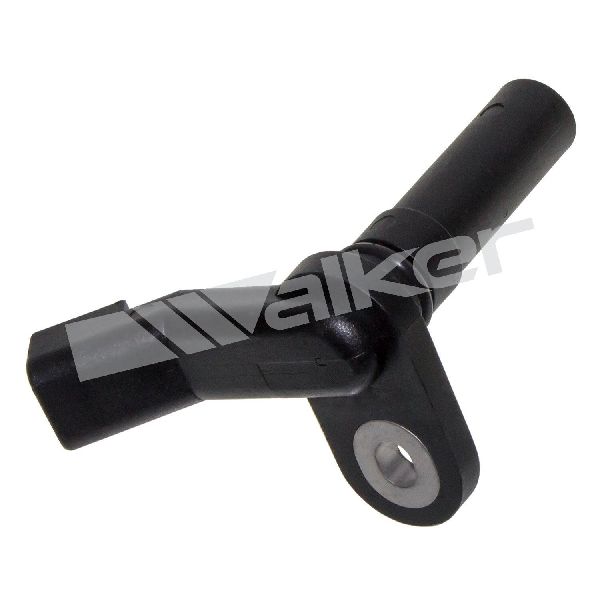
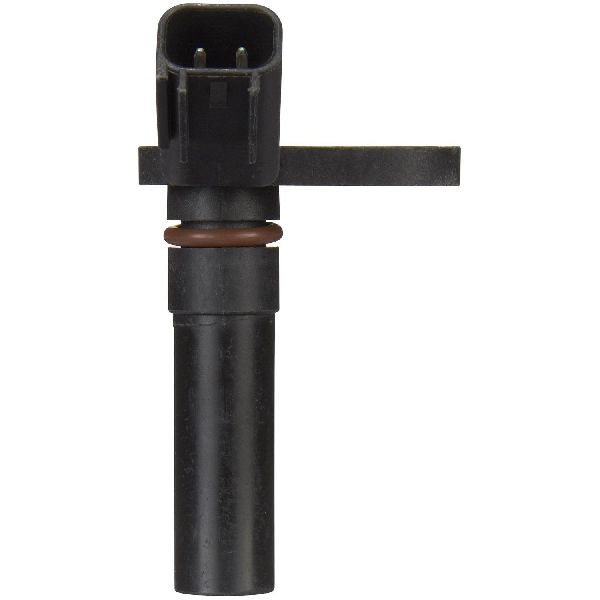
| Standard Aftermarket | Spectra, Walker Products | These brands offer a good balance of value and quality. They are generally considered reliable for most applications and undergo testing to ensure proper fit and function. |
| Economy | Prenco, True Tech | These are budget-friendly options. While they may function correctly, their long-term durability and consistency can be a concern compared to higher-tiered brands. Use with caution for a critical sensor like the CKP. |
Pro Tip: Check the Wiring
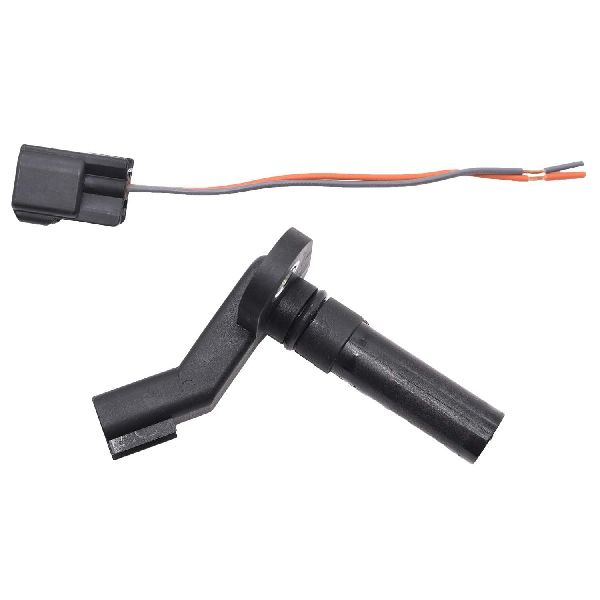
Before replacing the sensor, always inspect the wiring harness and connector. Sometimes, a loose connection or damaged wire can mimic the symptoms of a failed sensor and even cause the P0335 trouble code. Cleaning the connector and ensuring a tight fit can sometimes solve the problem.
Frequently Asked Questions (FAQ)
Is replacing the crankshaft sensor a DIY job?
Yes, for someone with basic mechanical skills. On the Ford 4.6L engine, the sensor is located on the front of the engine, near the main crankshaft pulley. Access can be tight, and you may need to move the A/C compressor to the side (without disconnecting the lines) to get the sensor out. The sensor is typically held in by one or two small bolts.
Are there any recalls for the Mangusta's crankshaft sensor?
No, searches of the NHTSA database show no specific recalls for the 2001-2002 Qvale Mangusta related to the crankshaft position sensor or any other component. Failures are generally due to age and heat cycles rather than a manufacturing defect.
Will a new sensor fix my P0335 code?
In most cases, yes. The P0335 code directly points to a problem in the crankshaft position sensor circuit. If the sensor has failed, replacing it will solve the issue. However, the code can also be triggered by wiring problems, a damaged connector, or, in rare instances, an issue with the engine computer.
Why is there such a big price difference between OEM and aftermarket?
OEM parts are sold through the vehicle manufacturer's dealer network and carry a higher price. Aftermarket parts are made by various companies and compete on price and quality. For a vehicle like the Mangusta that uses a Ford engine, a high-quality aftermarket sensor from a brand like NGK or Standard Ignition can provide OEM-level performance for a fraction of the cost.
Technical Specifications
OEM Part Numbers: F1AZ-6C315-A F7LZ-6C315-AA
Hall-Effect Sensor, 2-pin connector. Located on the front of the engine block, passenger side, behind the A/C compressor.
We Have This Part in Stock


The information in this article is provided for general reference and educational purposes only. Vehicle specifications, procedures, and part compatibility can vary by production date, trim level, and region. Always consult your vehicle's factory service manual and verify part numbers before purchasing or performing repairs. Safety-critical components such as airbags, seat belts, and braking systems should be installed by a qualified professional.
- Qvale Mangusta: