

A Ford Focus Owner's Guide to Ignition Coil Replacement (2000-2018)
Solve engine misfires and rough idling by choosing the correct ignition coil for your Focus.
- First, confirm if your Focus needs a single coil pack (2000-2011) or individual coil-on-plug units (2012-2018).
- For maximum reliability, choose the OEM Motorcraft brand or a premium aftermarket brand like Bosch, Delphi, or NGK.
- Always replace the spark plugs at the same time as the ignition coils to prevent premature failure of the new parts.
- This is a very simple DIY repair that can be done in under 30 minutes with basic tools.
Signs of a Failing Ignition Coil

When an ignition coil starts to fail on your Ford Focus, the signs are hard to ignore. Your car's computer is good at detecting problems, and it will usually trigger the Check Engine Light. You will also notice performance issues because one or more cylinders are not firing correctly.
- Check Engine Light: This is often the first warning. A code scan will likely show codes like P0300 (random misfire) or P0301-P0304, which point to a misfire in a specific cylinder. Codes P0351-P0354 point more directly to a fault in the coil's electrical circuit.
- Engine Misfires and Rough Idle: The engine will shake, sputter, or vibrate, especially when you are stopped at a light. It may feel like the car is jerking or hesitating during acceleration.
- Loss of Power: Your Focus may feel sluggish and slow to accelerate because it's not running on all cylinders.
- Poor Fuel Economy: When the engine isn't burning fuel efficiently, your gas mileage will get worse.
- Stalling or Hard Starting: In severe cases, a bad coil can make the engine difficult to start or cause it to stall unexpectedly.
Generation Differences: The Most Common Ordering Mistake

Before buying a replacement, you must know which ignition system your Ford Focus has. This is the most critical detail.
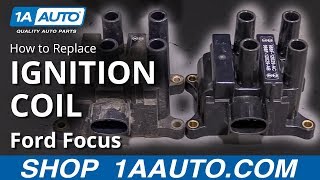
- 2000-2011 Ford Focus: These models use a single Ignition Coil Pack. This rectangular block has four towers where the spark plug wires connect. It provides spark for all four cylinders. If this one part fails, it can affect multiple cylinders.
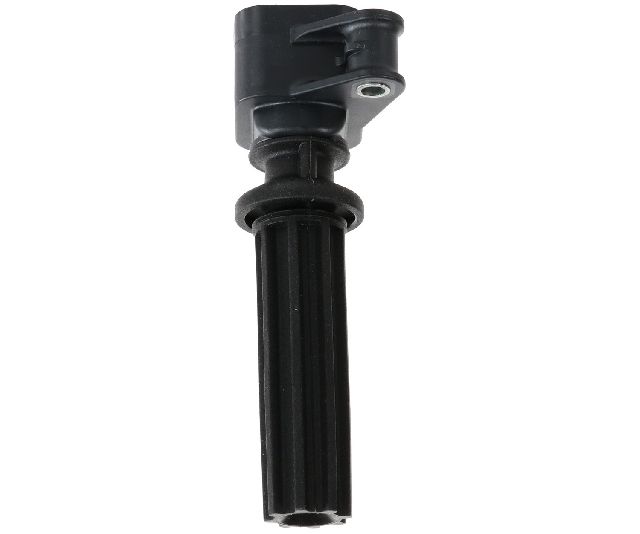
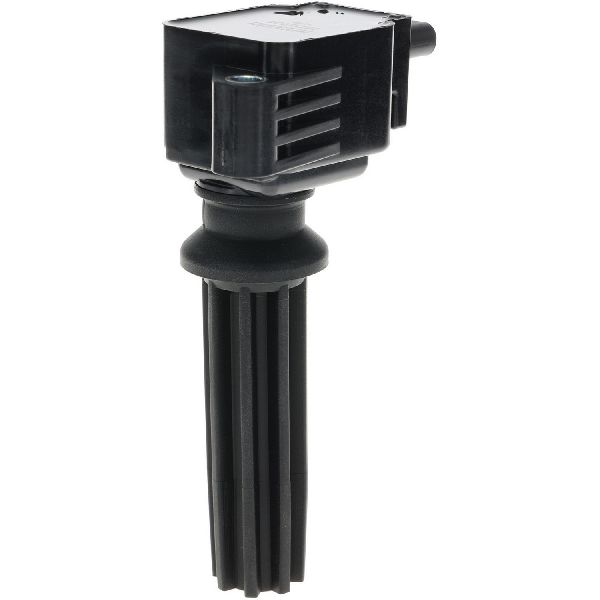
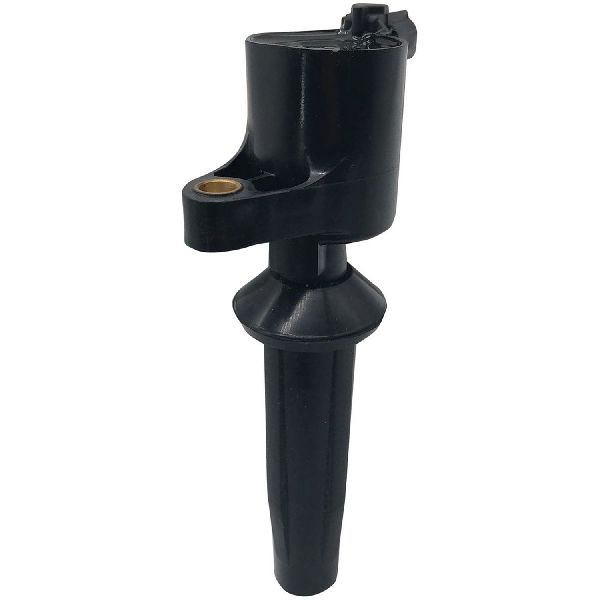
- 2012-2018 Ford Focus: These newer models use a Coil-on-Plug (COP) system. Each spark plug has its own individual ignition coil sitting directly on top of it. This means you have four separate coils. Usually, only one fails at a time.
Choosing the Right Aftermarket Ignition Coil

When it comes to ignition coils for the Ford Focus, quality matters. Owner forums and mechanic feedback consistently show that using cheap, unbranded coils often leads to them failing again in a short time. It is often best to stick with the original equipment manufacturer (OEM) or a well-regarded aftermarket brand.
Brand Quality Tiers
- Tier 1: OEM & Premium Aftermarket
These brands are known for providing original equipment parts or meeting the same high standards. They are the most reliable choice. Forum users strongly recommend using Motorcraft for the best results and longevity.
Brands: Motorcraft (OEM), Bosch, Delphi, NGK, Denso. - Tier 2: Quality Aftermarket
These brands are established in the aftermarket and offer a good balance of price and quality. They are a solid choice for a daily driver if an OEM part is not in the budget.
Brands: Standard Ignition (SMP), Spectra, Hitachi, Walker Products. - Tier 3: Economy Brands
While these parts are the most affordable, they have a higher risk of premature failure. They can get your car running, but may not be a long-term solution. Owner experiences suggest avoiding the cheapest options if possible.
Brands: DriveWire, True Tech, and other unbranded or store-brand coils.
Known Issues, TSBs, and Recalls
There have been no major recalls specifically for ignition coil failure on the 2000-2018 Ford Focus. However, there are some related service bulletins and recalls:
- TSB 05-22-8: Ford issued this technical service bulletin to help technicians diagnose Coil-on-Plug (COP) systems and differentiate between a bad coil and a bad spark plug.
- Recall 15C06: Some 2015 Focus models were recalled for a body control module issue that could cause the engine to keep running after being turned off. This was not a coil failure.
- Canister Purge Valve Issues: Recalls and investigations for 2012-2018 models have focused on a faulty canister purge valve that can cause stalling, a symptom sometimes confused with coil failure.
Frequently Asked Questions (FAQ)

Do I need to replace all the ignition coils at once?
For 2012-2018 models with Coil-on-Plug, you only need to replace the one that has failed. However, ignition coils are wear items and often fail around the same time. If one has failed and the others are original with high mileage, it is good preventative maintenance to replace them all as a set. For 2000-2011 models, you are replacing the entire single coil pack.
How do I find out which coil is bad on my 2012-2018 Focus?
The easiest way is to use an OBD-II scanner. A code like 'P0302' indicates a misfire on cylinder #2. You can then swap the coil from cylinder #2 with the coil from cylinder #3, clear the codes, and run the engine. If the code changes to 'P0303', you have confirmed that the coil is the problem.
Can I drive my Focus with a bad ignition coil?
You can, but it is not recommended for long distances. Driving with a misfire allows unburned fuel to enter the exhaust system, which can overheat and damage the expensive catalytic converter. It also causes poor performance and stress on the engine.
Is replacing an ignition coil a difficult job?
No, this is one of the easiest repairs you can do on a Ford Focus. For both the coil pack and coil-on-plug systems, the process involves unplugging an electrical connector and removing one or more 8mm bolts. It is a very DIY-friendly job that requires only basic tools.
Helpful Videos
Technical Specifications
OEM Part Numbers: DG507 FD505 DG541 UF670
Varies by year. 2000-2011 models use a single waste-spark coil pack. 2012-2018 models use an individual coil-on-plug (COP) design for each cylinder.
We Have This Part in Stock


The information in this article is provided for general reference and educational purposes only. Vehicle specifications, procedures, and part compatibility can vary by production date, trim level, and region. Always consult your vehicle's factory service manual and verify part numbers before purchasing or performing repairs. Safety-critical components such as airbags, seat belts, and braking systems should be installed by a qualified professional.
- Ford Focus: